

Ninja Creami Review: Is the Hype Real?
The Ninja Creami is shifting home dessert making from slow churning to high-speed milling. Unlike traditional compressor machines that take 60 minutes, this device processes pre-frozen bases in under five minutes, enabling high-protein, keto, and low-sugar customizations that have fueled its viral growth on TikTok and Instagram.
For years, home ice cream makers were split into two camps: the cheap, freeze-the-bowl versions that often failed, and the expensive compressor machines that took up half the counter. Then came the Ninja Creami. It doesn’t churn; it shaves. By using a high-speed blade to mill a frozen block of ingredients, it has fundamentally changed how we think about frozen treats.
Why is “milling” replacing traditional churning?
Traditional machines rely on a paddle to incorporate air while freezing the mixture. According to a performance test by IMTEST, these compressor-based machines typically take 45 to 60 minutes to produce a batch. The Ninja Creami flips this logic. It requires the base to freeze for 24 hours at -18 degrees Celsius first, but the actual processing time is a fraction of the competition.
In the IMTEST trials, most programs finished between 1.5 and 5 minutes. This speed is the primary driver of the current trend. We’re seeing a shift toward “on-demand” finishing. You do the hard work of freezing once, and then you “spin” the dessert exactly when you want to eat it.
How are dietary trends like Keto and Paleo driving appliance sales?
The rise of “functional” desserts is no longer a niche market. People want ice cream that fits a high-protein or low-carb lifestyle without tasting like frozen cardboard. The Ninja Creami caters to this via its “Light Ice Cream” mode, specifically designed for Keto and Paleo recipes.
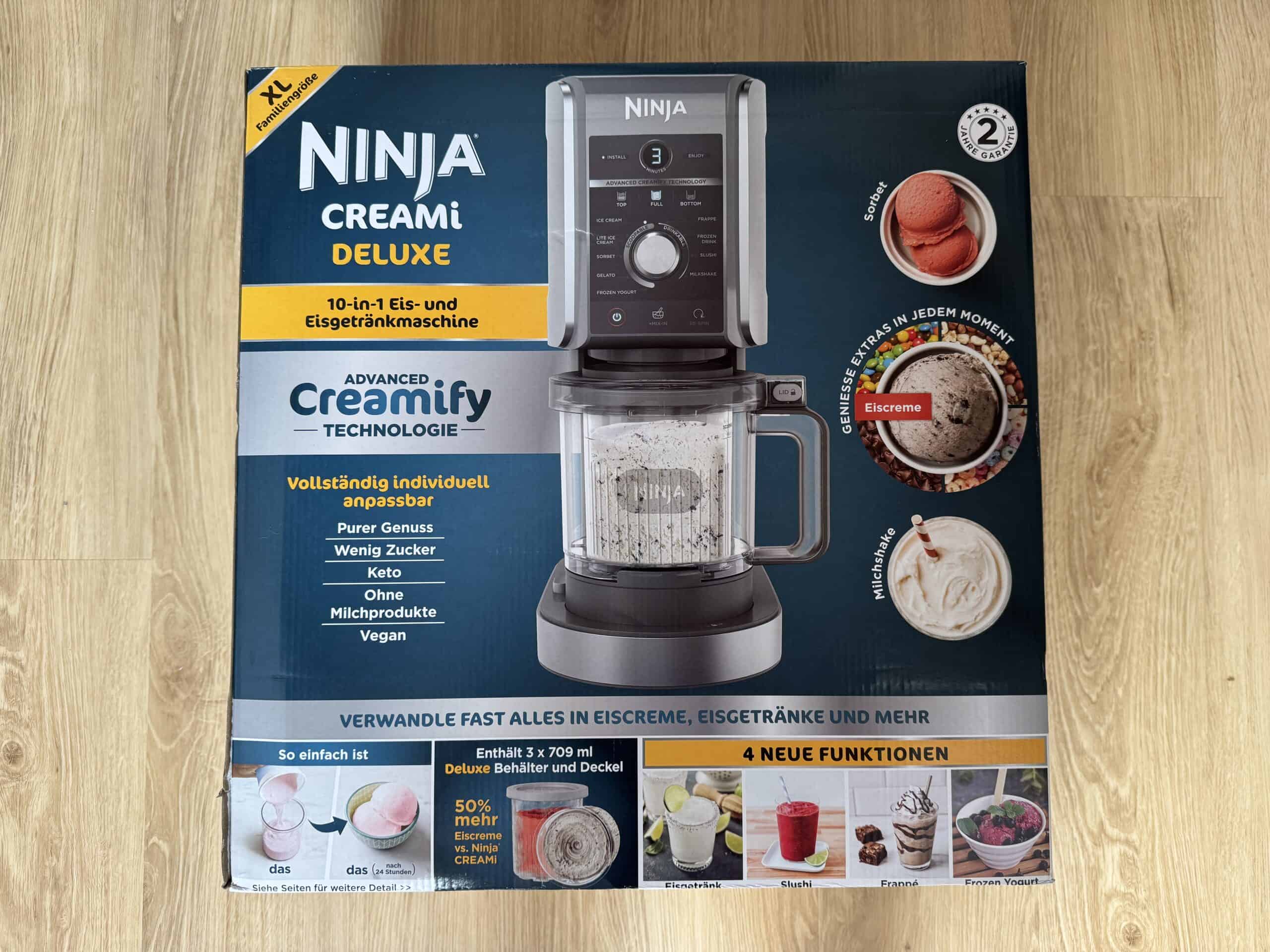
Because the machine mills the ingredients rather than churning them, it can handle denser, lower-sugar bases that would typically freeze too hard for a standard paddle to move. This allows users to experiment with cottage cheese, protein shakes, or almond milk bases. This customization is why the machine has become a staple in the fitness community on social media.
This trend points to a future where kitchen appliances aren’t just tools for cooking, but tools for nutritional optimization. We are moving toward a world of “hyper-personalized” food, where the machine adapts to the diet, not the other way around. For more on this, check out our guide to nutrient-dense desserts.
What happens when social media hype meets actual performance?
TikTok and Instagram often paint a picture of effortless perfection. However, real-world testing reveals a more nuanced story. While the Ninja Creami delivers high-quality results, it introduces new frictions. IMTEST highlighted a significant pain point: the cleaning process. The double-walled lid can trap soapy water, which raises hygiene concerns over time.
There’s also the “spontaneity gap.” You can’t just decide to make ice cream at 8 PM if you haven’t prepped a pint 24 hours earlier. This contrast—viral ease versus operational planning—is a recurring theme in modern “smart” kitchen gadgets. We see the same pattern with air fryers and multi-cookers: the results are great, but the cleanup and prep are where the reality check happens.
Will the “frozen-base” model dominate the future of kitchen gadgets?
The success of the Creami suggests that consumers are willing to trade spontaneity for quality and speed. The “prep now, enjoy later” model is efficient. If you have three or four pints pre-frozen in your freezer, you effectively have a professional ice cream parlor in your kitchen.
Compared to a standard compressor machine, the Ninja Creami (priced at approximately 229.99 Euro UVP) offers more versatility in terms of texture—from smoothie bowls to gelato—without the bulk of a cooling system. As long as users have freezer space, this “milling” technology is likely to push traditional churners into the background.
Future iterations will likely focus on solving the cleaning issues and perhaps integrating faster-freezing technology to eliminate the 24-hour wait. For those interested in the latest hardware, you can find the full specifications on the official Ninja website.
Frequently Asked Questions
Do I really need to freeze the base for 24 hours?
Yes. According to the manufacturer and IMTEST, the base must be frozen at -18°C or colder to ensure the milling blade can create the correct texture. Skipping this leads to a slushy consistency.
Can I put frozen fruit directly into the machine?
No. The machine is designed for liquid bases that are frozen in the pint. Adding whole frozen fruits or ice cubes can damage the blades.
Is the Ninja Creami dishwasher safe?
Most parts are, except for the motor block. The manufacturer recommends placing removable parts in the upper rack of the dishwasher.
What’s your take on the “frozen-base” trend? Do you prefer the speed of a mill or the tradition of a churn? Let us know in the comments below or subscribe to our newsletter for more deep dives into the future of food tech!