

Ninja Theory Announces Senua: A New Hellblade Sequel Coming in 2027
Xbox and Ninja Theory have announced Senua, a 2027 release for Xbox Series X/S, PC, and PS5. Moving away from the Hellblade branding, this title pivots the series toward a full action-adventure experience featuring tactical combat, stealth, and expanded exploration, according to Ninja Theory studio head Dom Matthews via Xbox Wire.
Why is Ninja Theory shifting from narrative-heavy to action-adventure?
The move to a “gameplay-driven experience” is a direct response to the primary critique of Senua’s Saga: Hellblade II. While the previous titles were praised for their atmosphere, critics and players often pointed to a lack of mechanical depth. By rebranding the next entry simply as Senua, Dom Matthews suggests the studio is creating “something fresh, new, and different.”

This shift mirrors a broader industry trend where “walking simulators” or narrative-first games evolve to include robust systems to sustain player engagement. We’re seeing this in how titles like God of War evolved from linear hacks-and-slash to complex action-RPGs. For Senua, this means introducing “tactical choice,” allowing players to decide whether to engage enemies head-on or use stealth to avoid detection.
How does the “interconnected” map design replace the open world?
Ninja Theory is avoiding the “open-world fatigue” currently hitting the AAA market. According to Matthews, Senua is not an open-world game but a linear story told through a map of “interconnected locations.” This approach provides the illusion of a vast world while maintaining a tight, cinematic narrative grip.
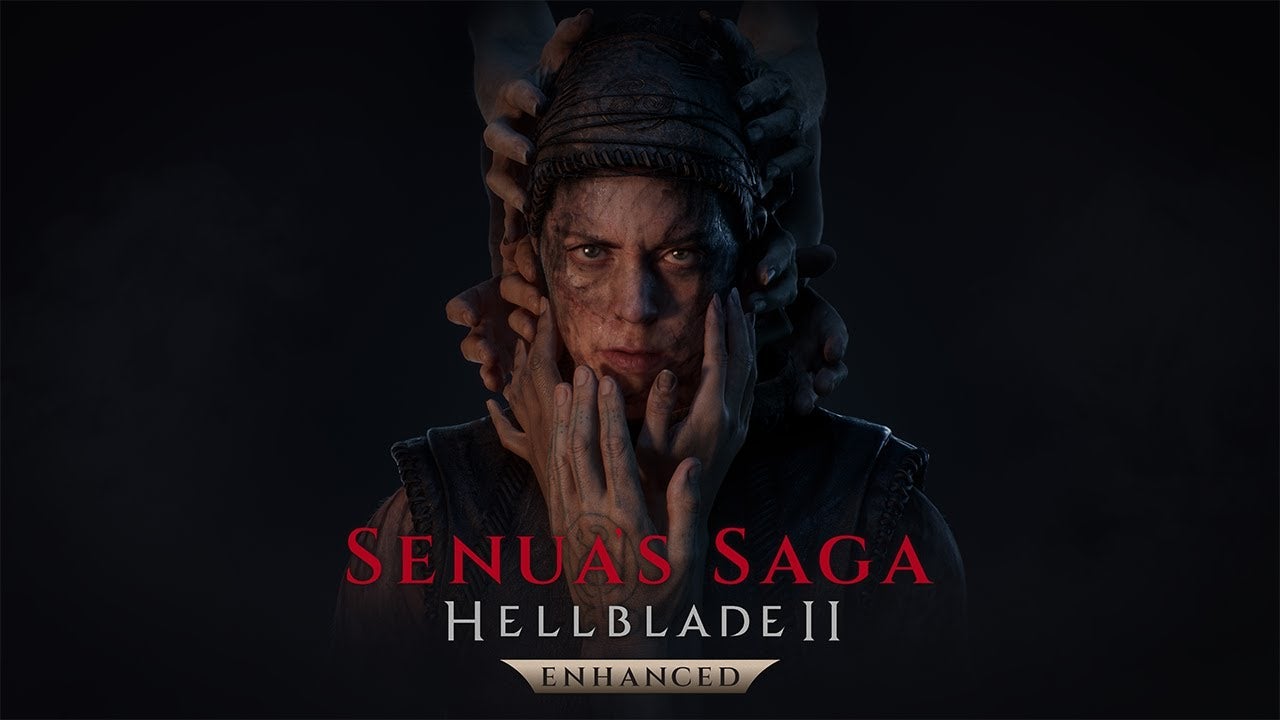
This design philosophy is similar to the “wide-linear” approach used in The Last of Us Part II. It allows for more exploration and puzzles without the filler content often found in massive open maps. The setting—a purgatory version of Senua’s childhood homeland—serves as a psychological mirror, blending personal memory with surrealist danger.
The role of “Focus Abilities” in gameplay
A key addition is the “Focus Abilities,” which let players manipulate reality. One specific ability shown in the trailer allows Senua to shatter the environment to open new paths or push back enemies. These aren’t just combat tools; they are integrated into the puzzle-solving and exploration phases of the game, creating a more cohesive loop between action and discovery.
What does the move to PS5 signal for Xbox exclusives?
The confirmation that Senua will launch on PS5 is a significant data point in Microsoft’s changing publishing strategy. After the launch of Hellblade II faced challenging sales figures and modest Game Pass performance, the move to a multi-platform release suggests a need for a wider audience to ensure the series’ financial viability.
This follows the precedent set by other former Xbox exclusives like Sea of Thieves and Hi-Fi Rush. By expanding the reach to PlayStation users, Ninja Theory can offset the high costs of high-fidelity development while bringing their unique take on mental health representation to a larger demographic.
Can a “standalone” sequel succeed without previous context?
One of the riskiest moves in the announcement is the decision to make Senua a standalone experience. Matthews stated that the game is designed so that players who haven’t touched the previous Hellblade games can still fully understand the plot. This removes the “barrier to entry” that often plagues long-running series.
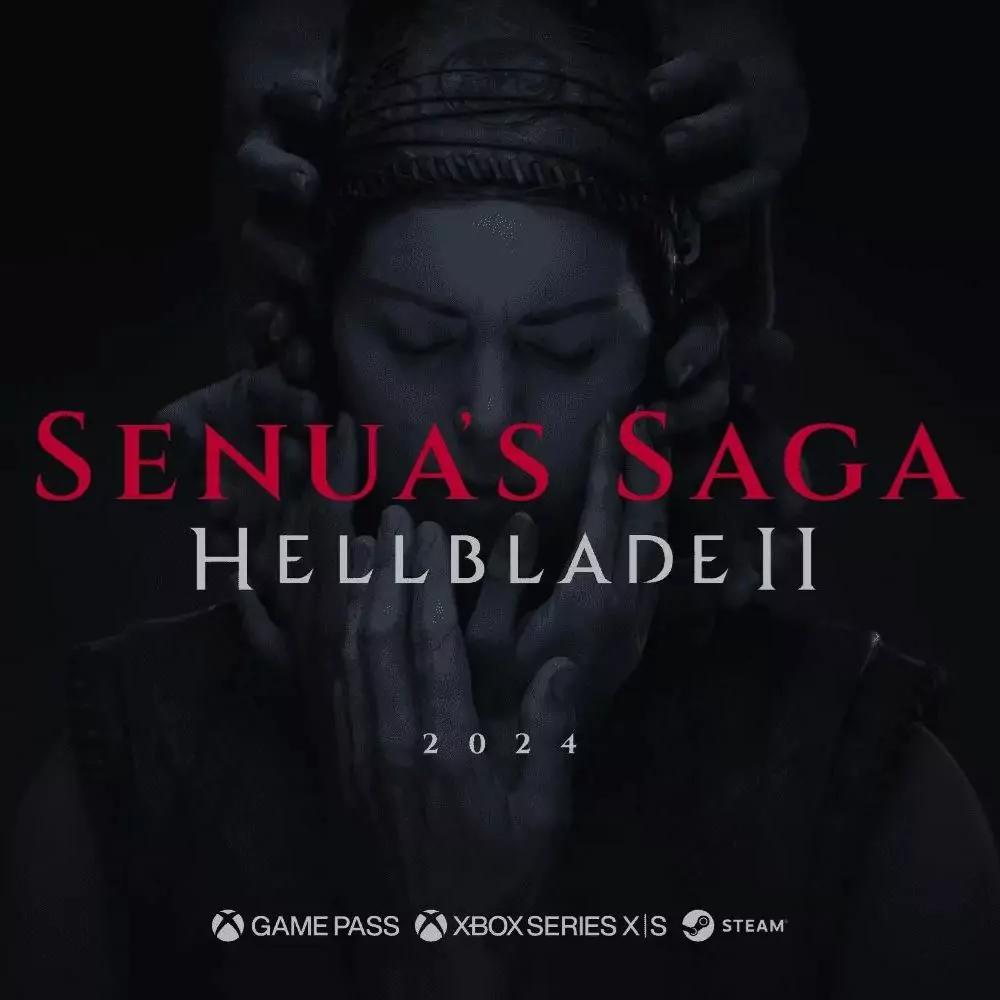
By decoupling the story from the strict requirement of playing the first two games, Ninja Theory is positioning Senua as a new entry point for the franchise. This is a strategic move to capture new players who may have been intimidated by the psychological intensity or the specific narrative focus of the earlier titles.
Frequently Asked Questions
When is Senua releasing?
The game is currently planned for a 2027 release.
Which platforms will it be on?
It will be available on Xbox Series X/S, PC, and PlayStation 5.
Do I need to play Hellblade 1 and 2 first?
No. According to Ninja Theory, it is designed as a standalone sequel that is accessible to newcomers.
Is it an open-world game?
No, it features a linear story told through a map of interconnected locations.
The evolution of Senua suggests that the industry is moving away from “pure” narrative experiences toward a hybrid model where emotional storytelling and deep mechanical systems coexist. Whether this pivot can save the series from previous sales struggles remains to be seen, but the ambition is clear.
What do you think about the shift toward more action-oriented gameplay in the Senua series? Does the move to PS5 make you more likely to play it? Let us know in the comments below or subscribe to our newsletter for more industry deep-dives.