

No Safe Limit: Alcohol Consumption and Increased Cancer Risk
Researchers at the University of Washington have found that there is likely no universal safe lower limit for alcohol consumption. An analysis of 843 studies published between 1963 and 2023 suggests that even low levels of drinking may increase the risk of several cancers and other chronic health conditions.
Many people believe a drink in moderation is harmless. However, this comprehensive review of twenty major health outcomes indicates that the perceived safety of “moderate” drinking may be a misconception.
How does alcohol consumption increase cancer risk?
The most striking findings involve cancer. Researchers found a link between alcohol use and an increased risk for all ten types of cancer studied. This includes cancers of the breast, liver, pancreas, prostate, colon, esophagus, and pharynx.
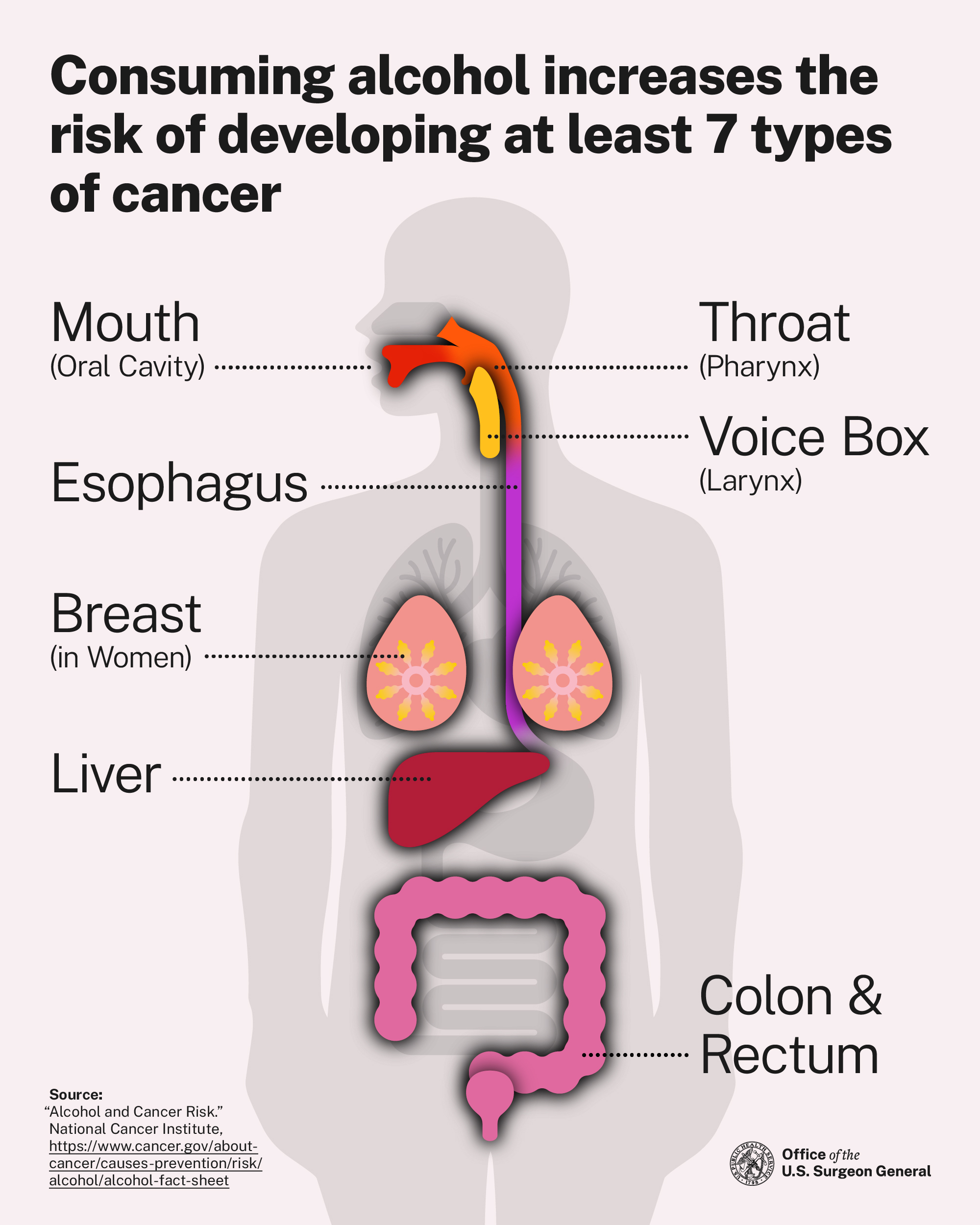
The risk isn’t limited to heavy drinkers. People who consumed an average of less than one alcoholic drink per day still faced a higher probability of developing certain cancers. According to health economist Emmanuela Gakidou, one of the researchers, the scientific evidence is “consistent and unambiguous: the risk increases at every level of alcohol use.”
What other health outcomes are linked to alcohol?
Beyond cancer, the analysis connected alcohol consumption to a higher likelihood of developing liver cirrhosis and pancreatitis. Other chronic liver diseases were also identified as risks.
There were also indications of increased risks for tuberculosis and respiratory infections. However, the researchers noted that the evidence for these specific infections was not as strong as the link to cancer or liver disease.
Why are results mixed for heart and brain health?
The data for Alzheimer’s, cardiovascular diseases, and type 2 diabetes is less clear. Some studies suggested that light to moderate drinking might correlate with a slightly lower risk for some of these conditions.
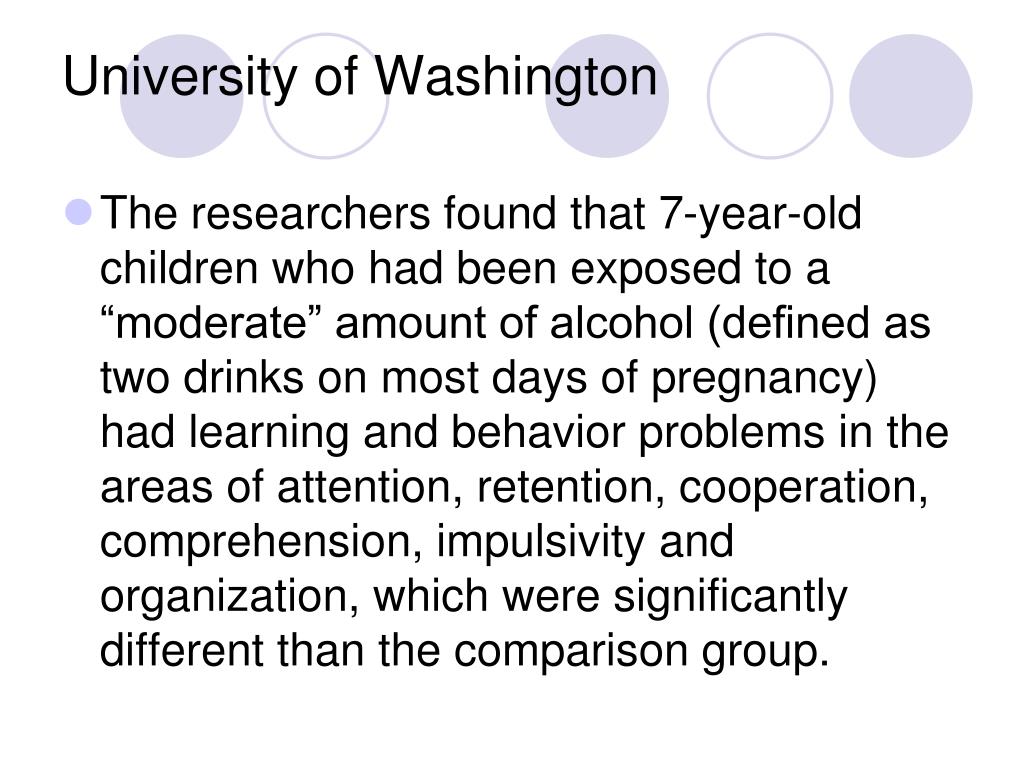
These potential benefits didn’t last. The perceived advantages disappeared as alcohol intake increased, and in some cases, shifted into an increased risk. Gakidou emphasized that these mixed results should not be interpreted as a recommendation to drink.
What are the limitations and next steps?
The researchers acknowledged several limitations in the data. Much of the information relied on self-reporting, which can be unreliable. Additionally, the studies varied in how they accounted for smoking, exercise, and diet.
Despite these gaps, the scientists argue the results are serious. They conclude that current knowledge doesn’t support a “safe” amount of alcohol for everyone. This could lead to a push for more honest public health education regarding alcohol risks.
Future public health guidelines may shift as science continues to clarify these links. It is possible that a more personalized approach to alcohol advice could emerge, as the idea of a universal “safe limit” is increasingly questioned.
Frequently Asked Questions
Is there a safe amount of alcohol to drink?
According to the University of Washington analysis, there is no universal amount of alcohol that can be considered “safe” or “healthy” for everyone.
Can drinking less than one drink a day still cause cancer?
Yes. The study found that people drinking less than one alcoholic consumption per day still had an increased risk for certain cancers, including those of the breast and liver.
Does alcohol help prevent heart disease or Alzheimer’s?
The evidence is mixed. While some studies suggest light drinking might be linked to a lower risk, these benefits disappear or turn into risks as consumption increases.
How do these findings change your perspective on moderate drinking?