

Norwegian Flight Diverts to Malaga to Remove Disruptive Passenger
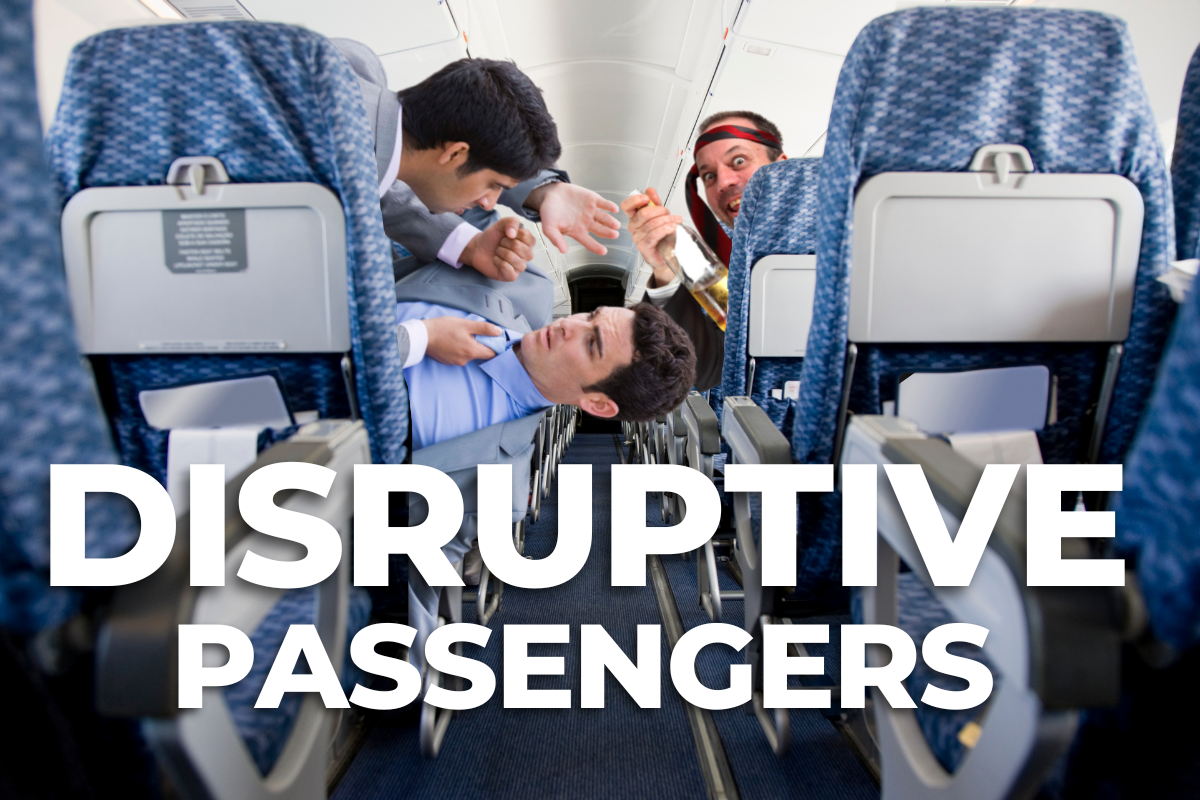
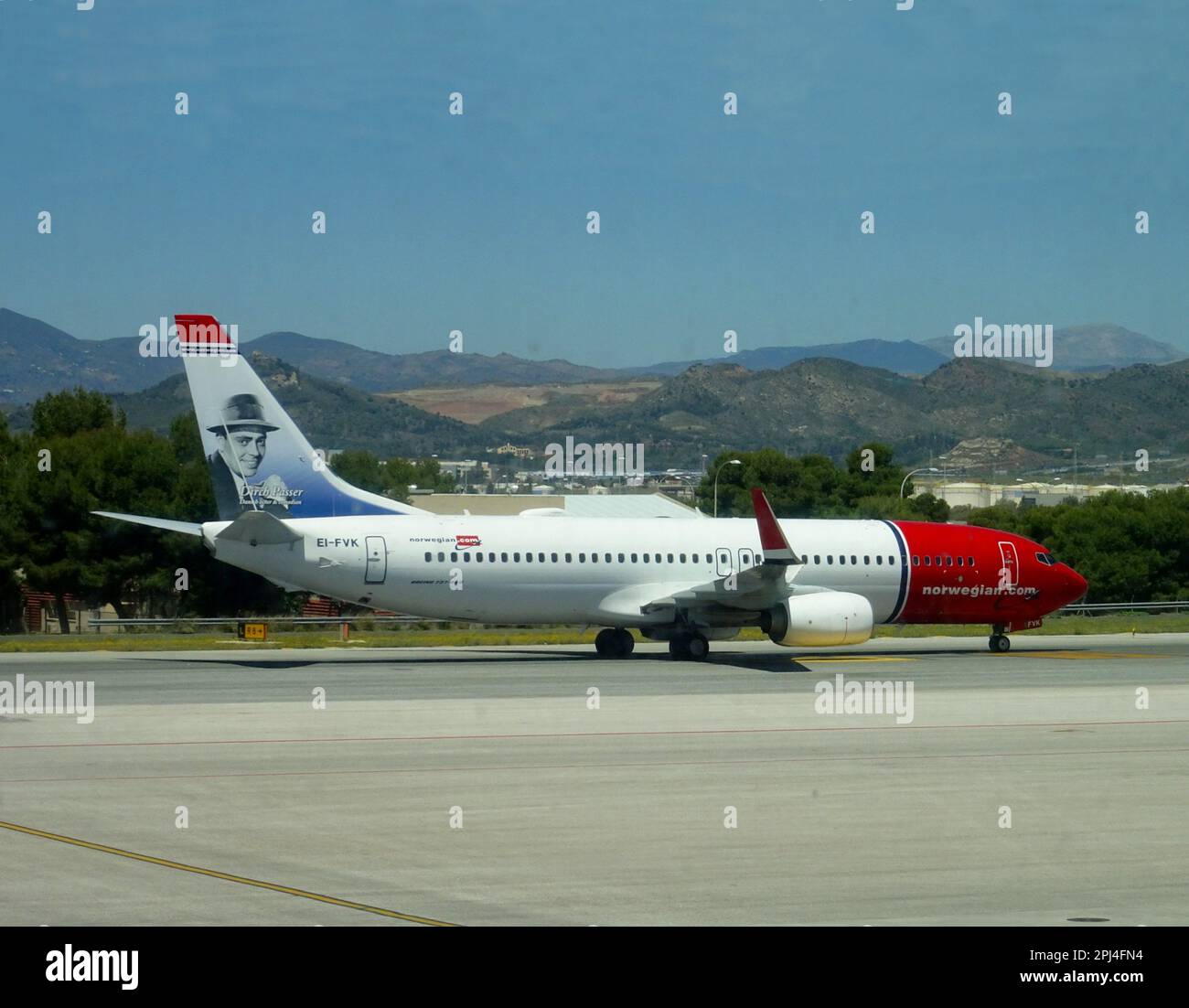
Aviation disruptions are rising, as seen in a recent Norwegian flight from Gran Canaria that diverted to Malaga to remove an intoxicated, aggressive passenger. According to Norwegian press chief Catharina Solli, such diversions are necessary for passenger safety when individuals refuse crew instructions, highlighting a growing trend of “air rage” across global travel.
The incident occurred on a flight bound for Oslo, where a passenger’s aggressive behavior and intoxication forced the crew to make an unscheduled stop. Ivar Hasan, a passenger on the flight, noted that the situation was particularly stressful because children were on board. The diversion delayed the arrival at Gardermoen by nearly 40 minutes, illustrating how a single individual’s behavior can disrupt hundreds of travelers.
Why is “air rage” becoming more common?
The Malaga diversion is a symptom of a larger shift in passenger psychology. Industry data suggests that post-pandemic travel stress, combined with increased airport congestion, has lowered the threshold for patience among flyers. When you add alcohol to the mix—as was the case with the Norwegian passenger—the risk of escalation spikes.

Airlines are seeing a pattern where passengers feel a sense of anonymity or entitlement that leads to aggression toward crew members. According to reporting from IATA (International Air Transport Association), the industry has seen a marked increase in “unruly passenger” reports, ranging from verbal abuse to physical assaults.
This shift isn’t just about bad moods. It’s about a breakdown in the traditional social contract of flying. The Norwegian incident shows that crews are now less likely to “manage” a situation in the air and more likely to land the plane immediately to ensure safety.
How are airlines using technology to stop disruptive behavior?
The future of aviation security is moving toward prevention rather than reaction. We’re seeing the rollout of AI-powered behavioral analysis in terminals. These systems use cameras to detect signs of extreme stress, aggression, or intoxication before a passenger even reaches the gate.
Biometric screening is also evolving. While currently used for identity verification, future iterations could potentially flag passengers who have a history of violence or bans across multiple carriers. This “global no-fly list” synchronization is a major goal for international security agencies to prevent the “airline hopping” some disruptive passengers use to avoid bans.
The shift in onboard alcohol policies
Many carriers are re-evaluating how they serve alcohol. While the Norwegian passenger in this case was likely already intoxicated, some airlines are experimenting with limiting alcohol sales on shorter flights or implementing stricter “crew discretion” policies. If a passenger appears agitated, the crew is now empowered—and encouraged—to cut off service immediately.
What happens to passengers who force a flight diversion?
The consequences for the man removed in Malaga are likely to be severe. Beyond being handed over to the Spanish police, he faces potential civil litigation from Norwegian. Airlines are increasingly suing disruptive passengers to recover the costs of fuel, landing fees, and passenger compensation.
Most airlines now maintain a strict “Blacklist.” Once a passenger is removed from a flight for safety reasons, they are often banned for life. Because airlines share data through security networks, a ban on one carrier can make it significantly harder to book flights with partners or alliance members.
We can expect these legal repercussions to become more standardized. By making the financial cost of “air rage” personal, airlines hope to create a stronger deterrent than a simple boarding denial.
For more on how travel regulations are changing, check out our guide on understanding your rights as a passenger.
Frequently Asked Questions
Can an airline ban me for life?
Yes. If a passenger’s behavior is deemed a threat to safety or the crew, airlines have the legal right to place them on a permanent no-fly list.
Who decides if a plane should divert for a passenger?
The Captain (Pilot-in-Command) has the final authority. If the crew reports a security risk that cannot be managed in flight, the Captain decides the safest nearest airport for landing.
Are passengers entitled to compensation if a flight diverts due to an unruly passenger?
Generally, no. Most regulations, including EU261, categorize “extraordinary circumstances” or security threats as reasons that exempt airlines from paying compensation for delays.
Join the Conversation
Have you ever dealt with a disruptive passenger on a flight? Do you think airlines should be stricter with alcohol sales?
Share your experience in the comments below or subscribe to our newsletter for the latest in travel security trends.