

NVIDIA CEO: $660B AI Investment is Sustainable, a Turning Point
NVIDIA CEO Huang Declares $660 Billion AI Investment Sustainable: A Turning Point or Tech Bubble 2.0?
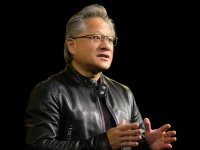
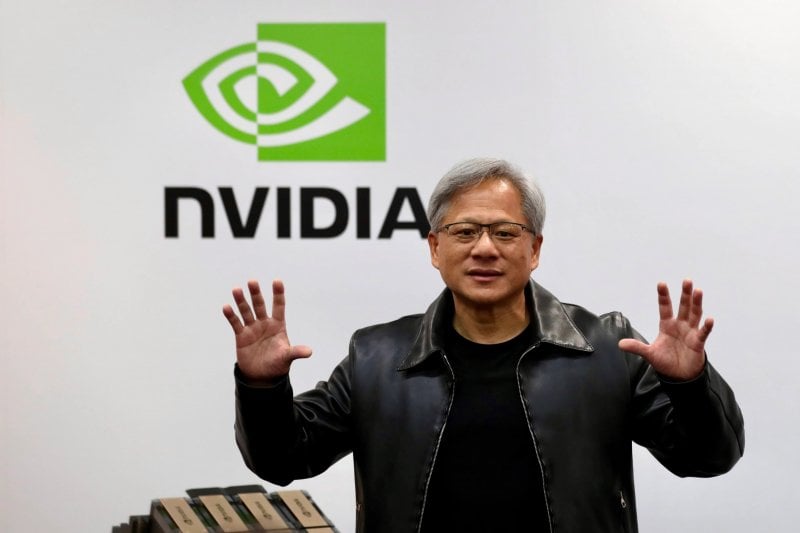
The massive influx of capital into artificial intelligence is sparking debate, but NVIDIA CEO Jensen Huang isn’t among the worried. He views the approximately $660 billion being poured into AI infrastructure by tech giants not as reckless spending, but as a historic opportunity.
The AI Investment Boom: A New Era of Tech Spending
Over recent months, companies like Amazon, Google, Meta, and Microsoft have dramatically increased capital expenditure (CapEx), exceeding $100 billion annually. A significant portion of this investment is directed towards data centres, advanced chips, and dedicated AI infrastructure. This trend has understandably raised concerns among investors and analysts, prompting questions about potential overspending and a looming correction.
According to data from Synergy Research Group, cloud provider spending on AI infrastructure alone is projected to reach $100 billion by 2024, a staggering increase from $30 billion in 2020. This demonstrates the sheer scale and velocity of the current investment wave.
Huang’s Perspective: Beyond the Hype Cycle
Huang believes the current context is fundamentally different from past tech bubbles. He argues that AI has moved beyond the experimental phase and reached an inflection point. It’s no longer a futuristic concept or a novelty chatbot; it’s a tangible and profitable tool.
Companies like OpenAI and Anthropic are already generating substantial revenue, proving the economic viability of AI models. Huang frames this as the largest software opportunity in history. He posits a shift where software isn’t just *used* by humans, but actively *utilizes* tools, makes decisions, and creates value independently.
The Skeptics Remain: Echoes of the Dot-Com Bubble?
However, not everyone shares Huang’s optimism. Some critics draw parallels to the “dark fiber” phenomenon of the dot-com bubble, where massive infrastructure was built before a genuine demand materialized. Huang acknowledges the risk but insists that current demand for computing power and AI solutions is real, growing, and market-driven.
the success of these investments hinges on AI’s ability to achieve widespread adoption and generate value at scale. For Huang, the current spending isn’t wasteful, but rather the necessary investment to build the foundation for the next global technological cycle.
Future Trends: Beyond Infrastructure
While infrastructure is crucial, the future of AI investment will likely shift towards several key areas:
AI-Powered Software and Applications
The focus will move beyond simply *building* the AI to *applying* it. Expect a surge in investment in AI-powered software across industries – from healthcare and finance to manufacturing and retail. Companies like Salesforce are already integrating AI (Einstein 1) directly into their CRM platform, demonstrating this trend.
Edge AI and Decentralized Computing
Processing AI tasks closer to the data source (edge computing) will become increasingly important. This reduces latency, improves privacy, and enables new applications in areas like autonomous vehicles and industrial automation. NVIDIA’s Jetson platform is a prime example of hardware designed for edge AI.
Generative AI and Content Creation
Generative AI models (like those powering tools like DALL-E 3 and Midjourney) will continue to attract significant investment. The potential to automate content creation, personalize experiences, and accelerate innovation is enormous. Adobe’s Firefly is a clear example of generative AI integrated into creative workflows.
AI Security and Ethical Considerations
As AI becomes more pervasive, investment in AI security and ethical frameworks will be critical. Addressing issues like bias, fairness, and data privacy will be paramount to building trust and ensuring responsible AI development. Organizations like the Partnership on AI are working to establish best practices in this area.
FAQ: Addressing Common Concerns
- Is the AI investment bubble going to burst? While risks exist, Huang and others believe current demand justifies the investment, unlike previous tech bubbles.
- Which companies are leading the AI investment? Amazon, Google, Meta, Microsoft, and NVIDIA are currently the biggest players.
- What is edge AI? Processing AI tasks closer to the data source, reducing latency and improving privacy.
- How will AI impact jobs? AI will likely automate some tasks, but also create new job opportunities in areas like AI development, maintenance, and ethics.
Pro Tip: Keep an eye on semiconductor companies like TSMC and ASML. Their ability to deliver advanced chips will be a key bottleneck in the AI revolution.
Did you know? The energy consumption of training large AI models is significant. Research into more energy-efficient AI algorithms and hardware is crucial for sustainable AI development.
What are your thoughts on the current AI investment boom? Share your opinions in the comments below!