

Nvidia CEO Jensen Huang declines Senate testimony on AI, China, exports
Nvidia CEO Jensen Huang has declined an invitation from Senator Elizabeth Warren to testify before the Senate Banking Committee this Thursday. The hearing, titled “AI and the American Dream: Promoting Innovation, Affordability, and American Dominance,” seeks to scrutinize the chipmaker’s business in China and the impact of U.S. export controls on the global AI boom.
Why is the Senate scrutinizing Nvidia’s China business?
Lawmakers are debating whether advanced AI chips should be sold broadly or restricted to prevent them from reaching China and other U.S. rivals. Senator Elizabeth Warren, D-Mass., argues that Nvidia’s role at the center of the AI boom makes it essential for the executive to answer questions in a public forum.
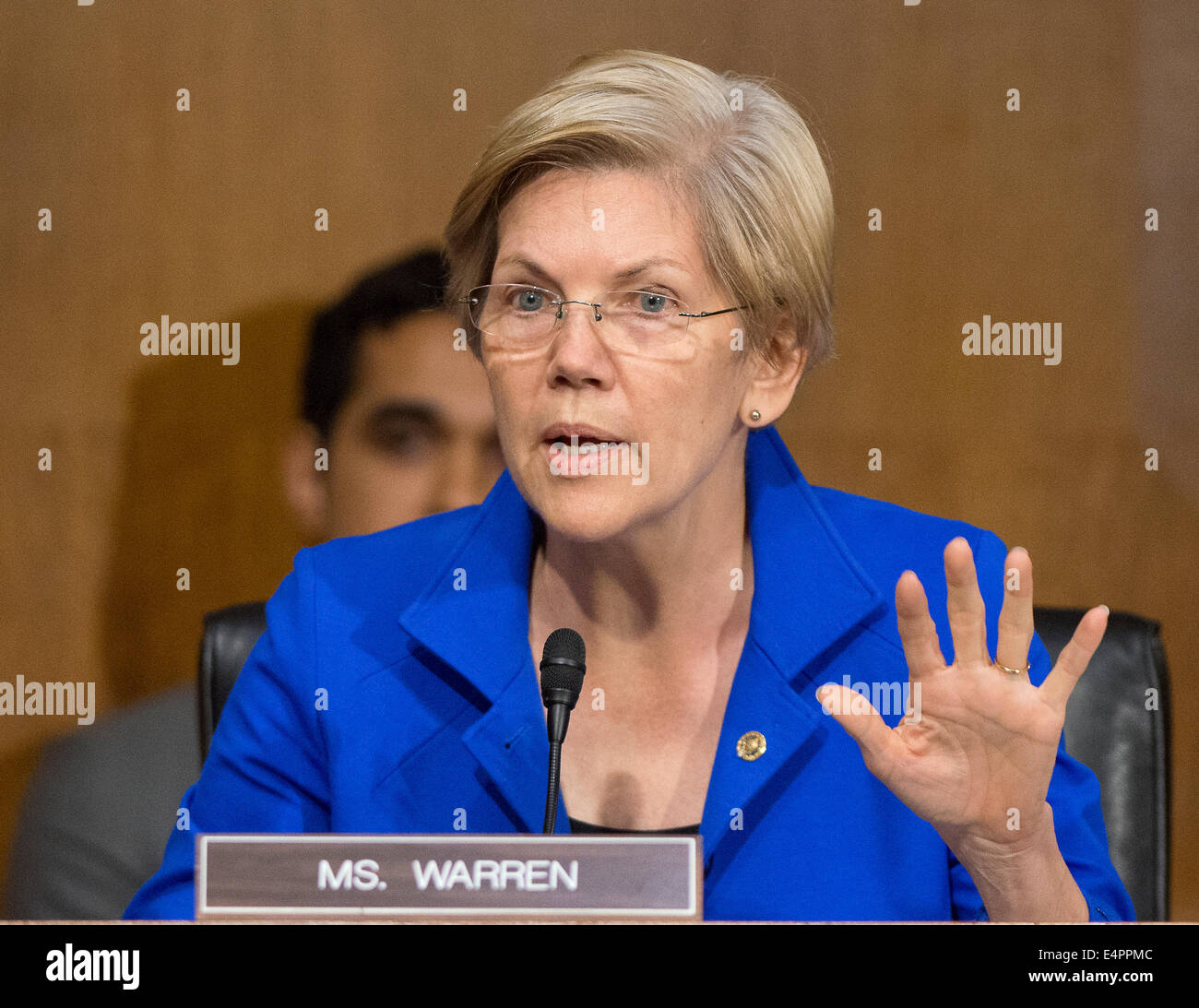
Warren expressed concern that lobbying for open competition could “turbocharge China’s military” and undermine American technological leadership. This tension follows a May trip to Beijing where Huang was among the CEOs who accompanied President Donald Trump to meet with President Xi Jinping.
How did Jensen Huang respond to the request?
In a letter to Warren, Huang stated he would be “unable to attend” the hearing. While he declined the invitation, he noted that Nvidia appreciates the committee’s focus on AI innovation and affordability.
Huang countered the request by inviting Warren or any committee member to visit Nvidia’s headquarters in Santa Clara, California. He suggested this as a venue to discuss the American AI ecosystem and how the company can support U.S. leadership.
Huang, who serves on Trump’s Council of Advisors on Science and Technology, has consistently urged officials to let U.S. firms compete in foreign markets. In December, he told reporters that American companies should offer “the most competitive chips we can to the Chinese market.”
What may happen next for Nvidia and AI regulation?
The refusal to testify could lead to increased political pressure on Nvidia as the Senate Banking Committee proceeds with its hearing on technological dominance. This may result in more aggressive calls for tighter export controls on advanced AI hardware.
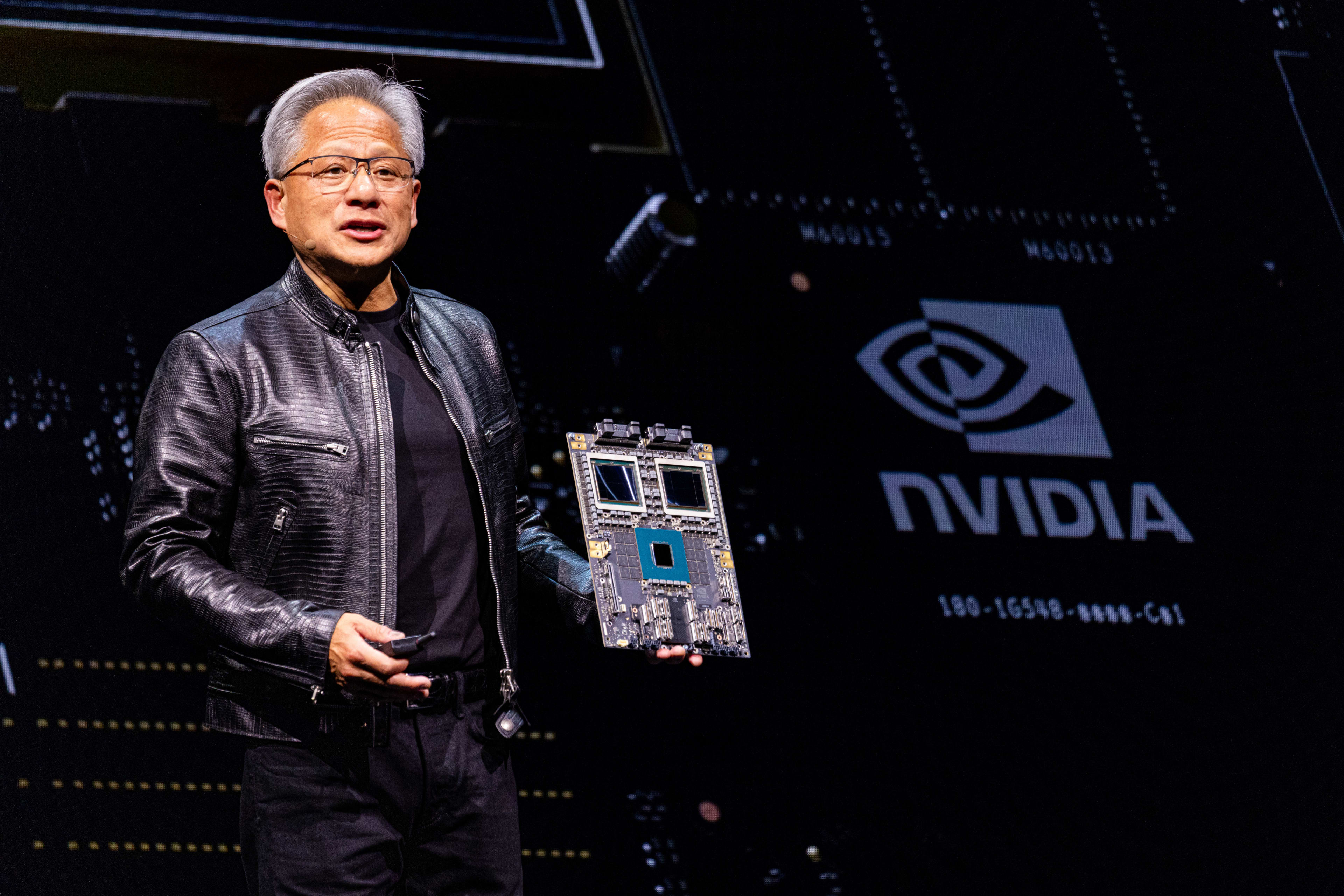
A possible next step could be a formal request for documents or a subpoena if lawmakers feel public answers are mandatory. Additionally, the dialogue between the White House and Beijing regarding technology sales may be influenced by the ongoing debate over how much American tech should be accessible to rivals.
Frequently Asked Questions
Why did Senator Elizabeth Warren criticize Jensen Huang’s decision?
Warren stated that the American people deserve answers in a public forum and pointed out that if Huang has time for a $1 million-a-head dinner at Mar-a-Lago and trips to meet President Xi Jinping, he should find time for Congress.
What is Jensen Huang’s position on American leadership in AI?
Huang wrote that while American leadership cannot be taken for granted, he is confident in the future and believes in the American system.
What specific topics did the Senate Banking Committee want to discuss?
The committee focused on Nvidia’s business in China, U.S. export controls, and the broader goals of AI innovation, affordability, and U.S. technological dominance.
Should American tech companies be permitted to sell their most competitive AI chips to global rivals to maintain market dominance?