
Offenbach’s La Vie Parisienne: Comédie-Française at Théâtre du Châtelet
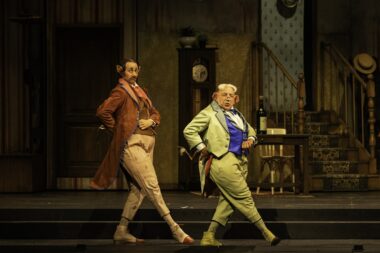
Actors from the Comédie-Française performed Jacques Offenbach’s La vie parisienne at the Théâtre du Châtelet on June 12, 2026. Directed by Valérie Lesort and conducted by Alexandra Cravero, the production marks the first time the work has appeared at this venue in 45 years and the first Comédie-Française revival since 1997.
Why is this production of La vie parisienne significant?
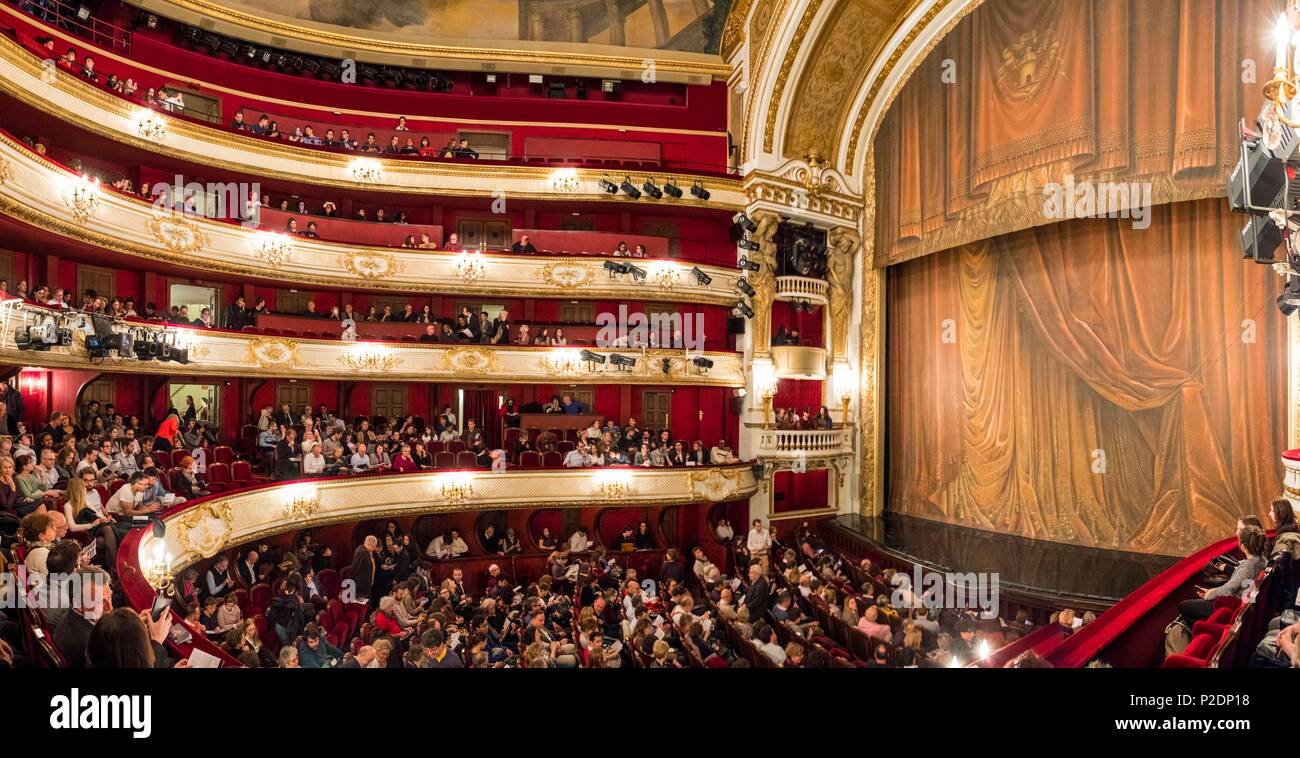
The production returns the opéra bouffe to the Théâtre du Châtelet after a 45-year absence. It also marks a return to the repertoire for the Comédie-Française, which last staged the work in 1997 under the direction of Daniel Mesguich.
According to production notes, this version seeks to recapture the original 1866 spirit of the Palais Royal by using actors who sing rather than professional opera singers. The cast, including Benjamin Lavernhe, Yoann Gasiorowski, and Christian Hecq, utilized microphones to balance their voices with the orchestra.
How did Valérie Lesort reinterpret the story?
Director Valérie Lesort used animal metaphors to exaggerate the social commentary of the original libretto by Henri Meilhac and Ludovic Halévy. Men appeared as pigs with snouts and curly tails, while women were portrayed as hens with beaks and feathers.
This thematic shift extended to the dialogue and character names. The review notes the inclusion of names like “Madame de la Galinacée” and “General Piedenpaquet,” along with modified lines filled with poultry and porcine references.
Visuals were supported by sets from Éric Ruf, costumes by Vanessa Sannino, and prosthetics created by Carole Allemand. While the animal metaphors were described as potentially heavy-handed, the overall set design was noted for its classic style and clarity.
What were the musical and vocal results?
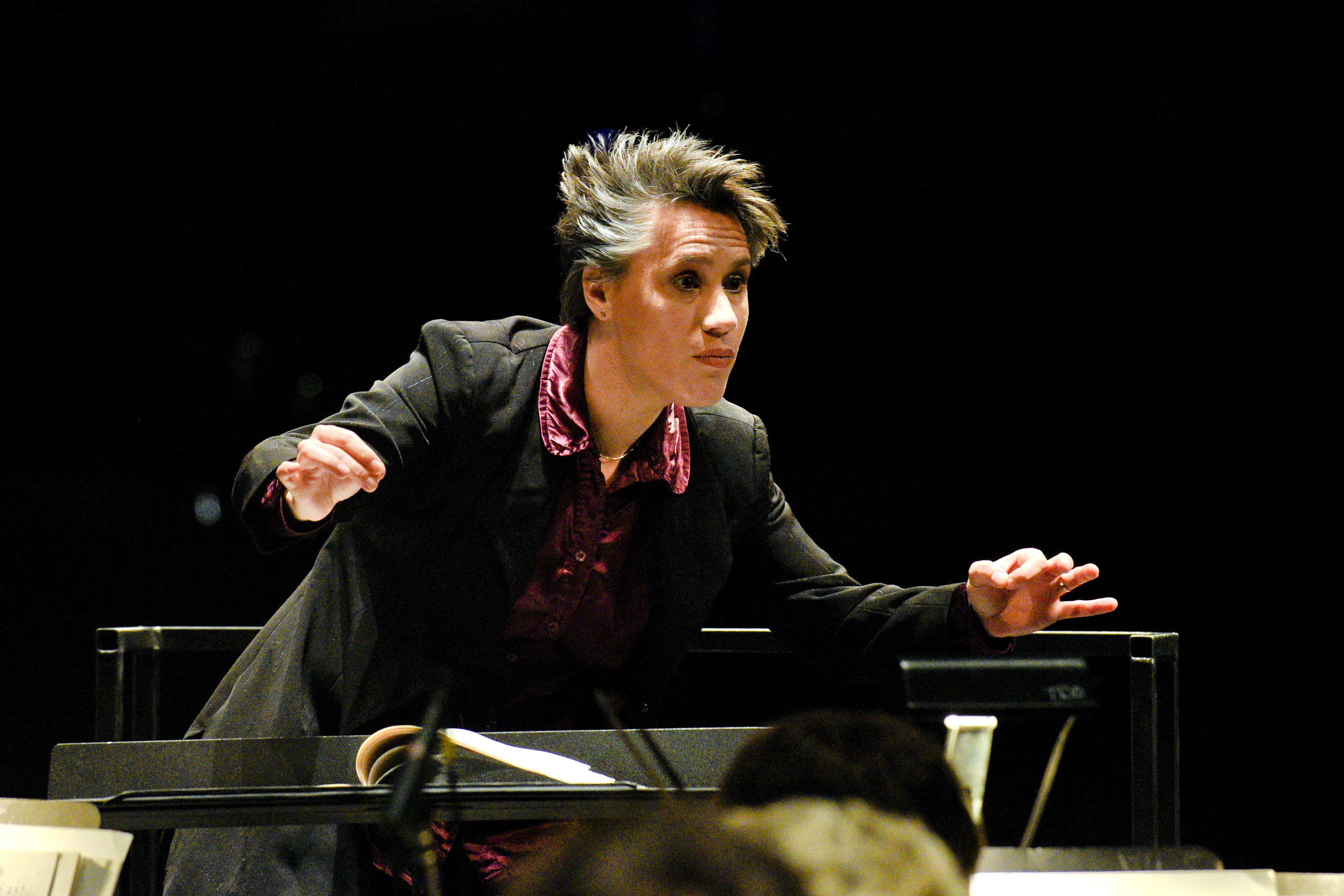
The Orchestre de chambre de Paris, led by Alexandra Cravero, utilized a re-orchestrated partition. The review describes the resulting sound as lacking transparency and possessing a “martial,” almost “school-like” pulsation.
Vocal performances varied among the troupe. Marie Oppert, playing Gabrielle, performed the Tyrolean yodel in “On est v’nu m’inviter,” and Elsa Lepoivre provided an alto timbre as Metella. Serge Bagdassarian focused on the comedic elements of his role as the Brazilian.
The use of numerous cuts to the score and an increase in spoken dialogue shifted the work’s feel. The review suggests these changes transformed the opéra bouffe into a 19th-century musical where songs punctuate the plot rather than driving it.
What may happen in future performances?
The production may see increased fluidity as the actors, who are not professional singers, become more comfortable with the musical markers. Future shows could potentially resolve the current sonic imbalances between the soloists, the Orchestre de chambre de Paris, and the Ensemble la Marquise choir.
Frequently Asked Questions
Who directed the 2026 production of La vie parisienne?
Valérie Lesort directed the production, with sets by Éric Ruf and costumes by Vanessa Sannino.
What was unique about the character costumes?
The production used animal attributes, depicting men as pigs and women as hens to emphasize class and gender dynamics.
Which orchestra performed the music?
The Orchestre de chambre de Paris performed the music under the direction of Alexandra Cravero.
Do you prefer operatic vocals or theatrical acting in musical stage productions?