

AFP Backs Defense Secretary Teodoro Amid China Sanctions
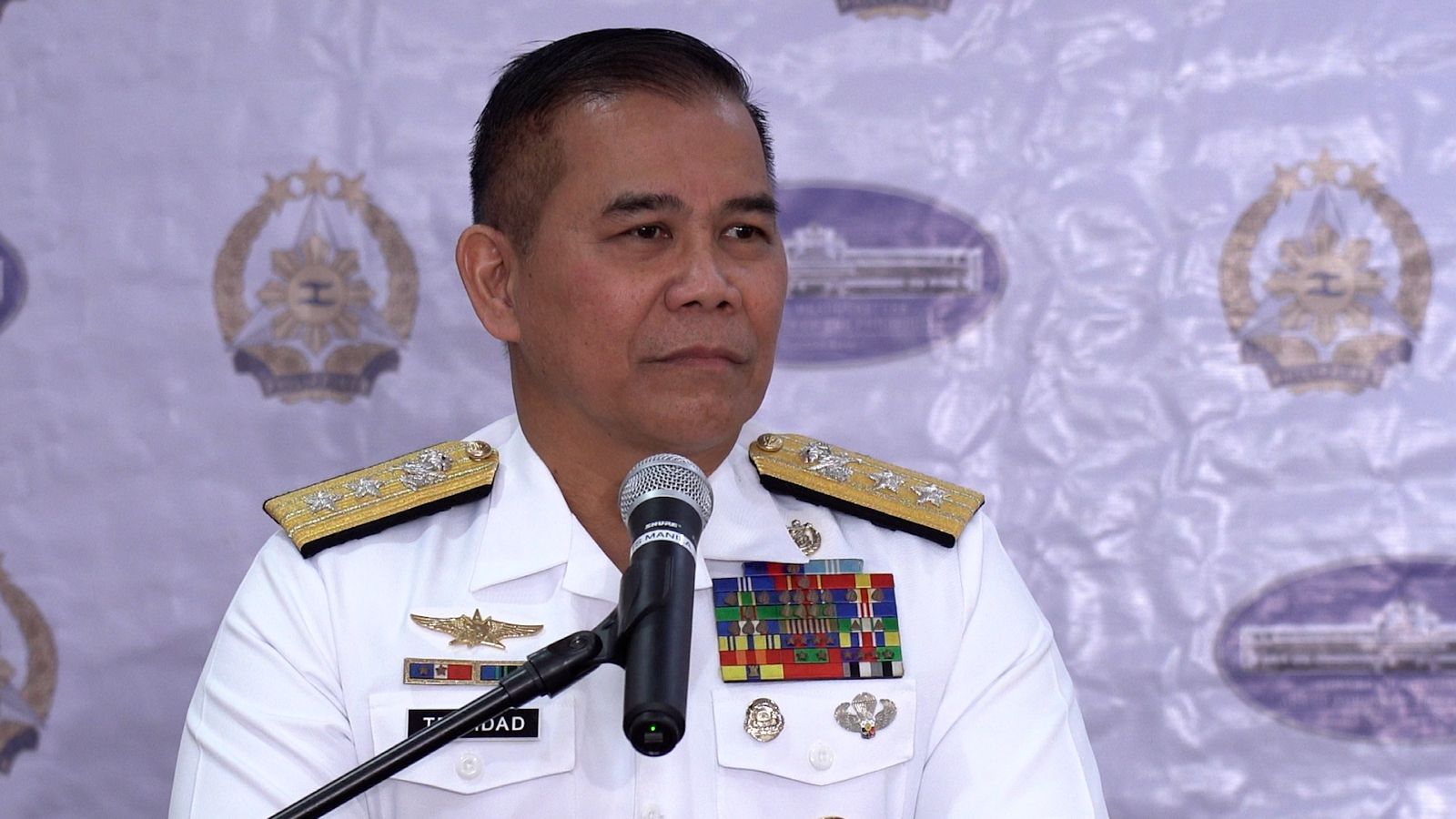
The Armed Forces of the Philippines (AFP) has officially rejected Chinese sanctions against Defense Secretary Gilberto Teodoro Jr., labeling the move an act of political intimidation. Rear Admiral Roy Vincent Trinidad, the AFP’s spokesperson for the West Philippine Sea, confirmed on June 13 that the military remains fully committed to its sovereign patrols despite Beijing’s travel and business bans against the defense chief and his family.
Why is China imposing sanctions on Philippine officials?
According to the AFP, these sanctions are a retaliatory response to Secretary Teodoro’s vocal opposition to China’s maritime claims. Rear Admiral Trinidad stated that the defense chief’s recent remarks, including those delivered at the Shangri-La Dialogue in Singapore, are grounded in international law and the 2016 arbitral ruling. The military characterizes Beijing’s actions as an attempt to silence officials who expose illegal activities within the Philippines’ exclusive economic zone.
The 2016 Permanent Court of Arbitration ruling in The Hague legally invalidated China’s “nine-dash line” claim, affirming the Philippines’ sovereign rights over its 200-nautical-mile exclusive economic zone.
How will the Philippine military respond to these pressures?
The AFP leadership has explicitly stated that external pressure will not change its operational mandate. Rear Admiral Trinidad emphasized that the military will continue its routine maritime and aerial patrols to protect Filipino fishermen and maintain the country’s territorial integrity. The AFP views the targeting of Teodoro as a broader challenge to the Philippines’ national interests rather than a personal matter involving a single government official.
What are the long-term implications for West Philippine Sea tensions?
The current diplomatic friction suggests a shift toward more personalized geopolitical confrontations. While previous tensions focused on maritime skirmishes, the imposition of sanctions against high-ranking Cabinet members indicates that Beijing is expanding its influence tactics into the political and economic spheres. Analysts note that this mirrors strategies used by major powers to exert pressure on sovereign nations without engaging in direct military conflict.
Comparison: Diplomatic vs. Military Posture
| Aspect | China’s Approach | Philippines’ Approach |
|---|---|---|
| Method | Sanctions & Travel Bans | Legal Advocacy & Patrols |
| Primary Goal | Intimidation/Silence | Sovereign Assertion |
Stay updated on maritime developments by monitoring official statements from the Armed Forces of the Philippines and the Department of Foreign Affairs for the most accurate, verified data on territorial disputes.
Frequently Asked Questions
- What specifically did China ban Secretary Teodoro from doing?
China has barred the Defense Secretary and his immediate family from entering the country and prohibited them from conducting business or financial transactions with Chinese entities. - Does the AFP plan to reduce patrols in the West Philippine Sea?
No. The AFP explicitly stated that it remains undeterred and will continue its routine maritime and aerial patrols as part of its constitutional mandate. - Why does the AFP mention the 2016 arbitral ruling?
The military uses this ruling as the legal foundation for its position, as it formally invalidated China’s expansive claims in the South China Sea.
The situation remains fluid as both nations navigate these diplomatic challenges. To stay informed on how these developments impact regional security, consider subscribing to our weekly newsletter for real-time updates and expert analysis. Have thoughts on this issue? Share your perspective in the comments section below.