
Oil Could Hit $150 If U.S.-Iran Ceasefire Collapses
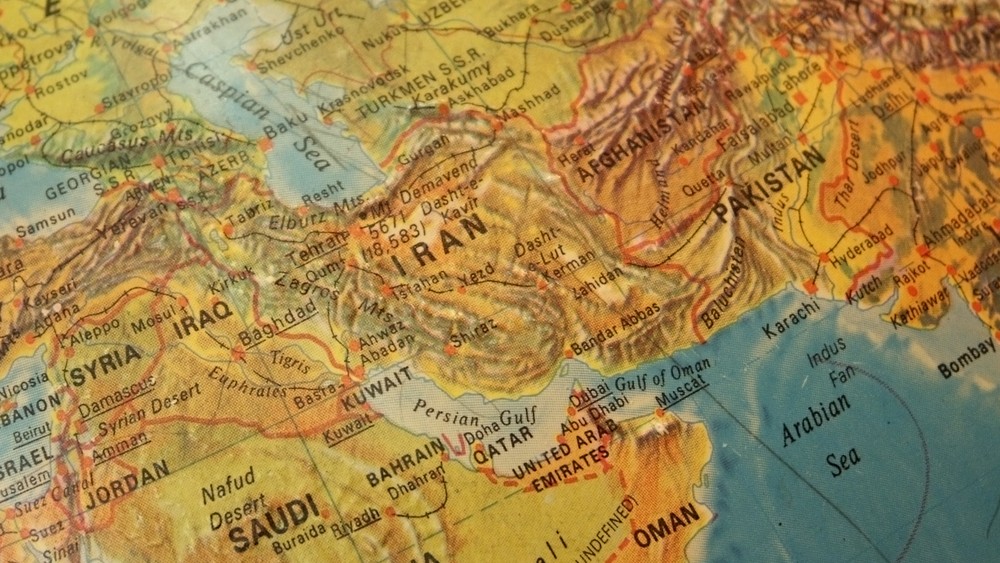
Oil prices could reach $150 per barrel if current hostilities between the United States and Iran continue to escalate, according to analysis from the intelligence firm Rystad Energy. The surge follows a spike in prices during Asian trade on Thursday after the U.S. conducted strikes in Iran and Tehran declared the Strait of Hormuz closed. This latest tension represents the most significant challenge to the ceasefire that has been in place since early April.
Did You Know? Current estimates suggest approximately 2 million barrels of oil move through the Strait of Hormuz daily, a figure that represents only one-tenth of the volume transiting the waterway prior to the start of the conflict.
What Triggered the Recent Escalation?
The current volatility stems from a series of military engagements near the Strait of Hormuz. According to reports, the escalation began Tuesday with the downing of a U.S. Apache helicopter. In response, the U.S. military launched strikes against targets within Iran. Additionally, U.S. Central Command confirmed it disabled a tanker in the Gulf of Oman that was attempting to bypass a U.S. blockade and failed to comply with orders.

Market transparency has declined as the situation worsens. Many vessels are now transiting in “dark-mode” with transponders switched off, making it difficult for the oil market to accurately track supply flows through this critical chokepoint. As Jorge Leon, senior vice president and head of geopolitical analysis at Rystad Energy, noted, it remains unclear whether this period marks a full resumption of hostilities or a dangerous, yet containable, episode.
How Supply and Inventory Levels Influence Prices
The prospect of $150 oil is driven by a combination of restricted supply and critically low global inventories. While stockpiles previously helped offset supply losses caused by the conflict, these reserves are now reaching what executives describe as “rock-bottom” levels. Neil Chapman, Senior Vice President at Exxon, stated at the Bernstein 42nd Annual Strategic Decisions Conference in late May that market models indicate prices could spike to $150 or $160 once inventories hit these depleted levels.
Expert Insight: The energy market is currently facing a dual pressure point. Geopolitical instability is actively constricting physical supply through the Strait of Hormuz, while simultaneously, the exhaustion of storage buffers removes the safety net that previously prevented price volatility. This creates a scenario where even minor supply disruptions could trigger significant price swings.
What May Happen Next?
Future price trajectories remain contingent on the stability of the Strait of Hormuz and the duration of the current military actions. If the conflict leads to a deeper, sustained shutdown of the Strait, analysts suggest the resulting pressure on upstream production could push Brent crude prices toward the $150 threshold. The market is currently waiting to see if the ceasefire can hold or if the region is entering a period of prolonged, full-scale hostilities.
Frequently Asked Questions
Why is the Strait of Hormuz critical to oil prices?
The Strait is a major chokepoint for global oil transit. Even with current disruptions, it remains a primary route for supply, and its closure or restricted use significantly impacts the market’s ability to move oil, leading to increased price volatility.
What is the current status of the ceasefire?
The ceasefire, which has been in place since early April, is facing its most serious test since inception due to the recent military exchanges between the U.S. and Iran.
Are oil inventories currently sufficient to stabilize prices?
No. According to Exxon’s Senior Vice President Neil Chapman, inventories are at “unheard of” and “really, really low” levels, which leaves the market vulnerable to sharp price increases if supply remains constrained.
How will the shift toward “dark-mode” vessel transit impact your ability to monitor global energy security?