
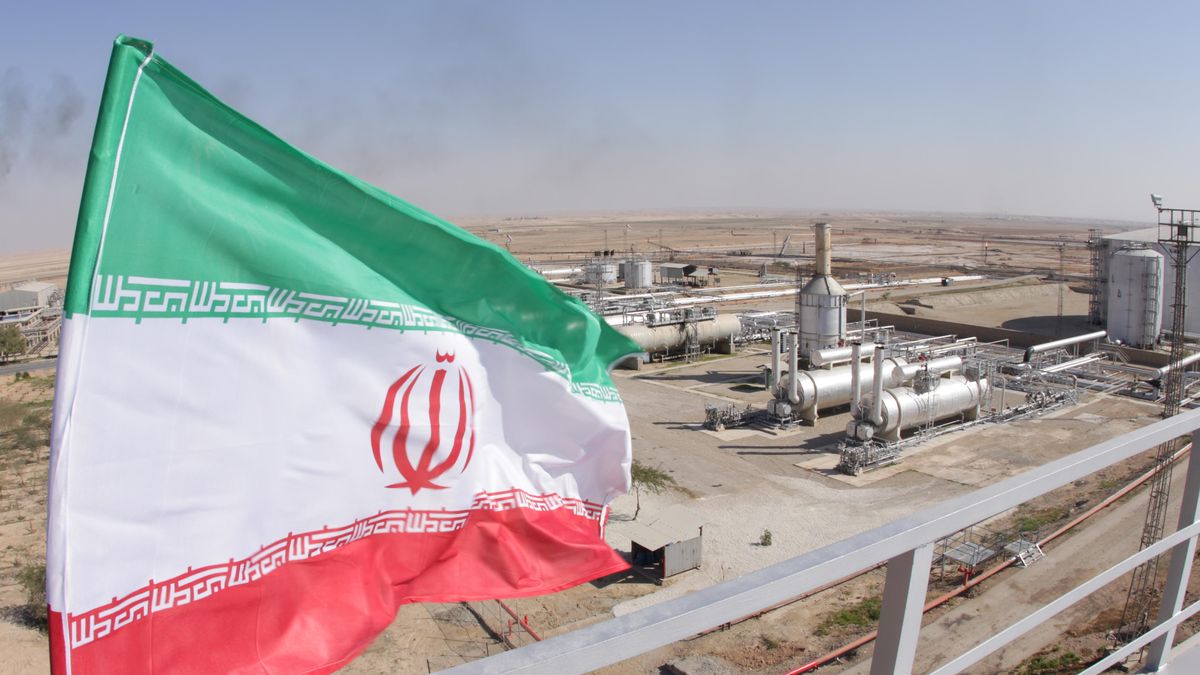
Oil Prices Plunge on Hopes of US-Iran Deal to Reopen Strait of Hormuz
The Hormuz Effect: Why Oil Markets Are Holding Their Breath
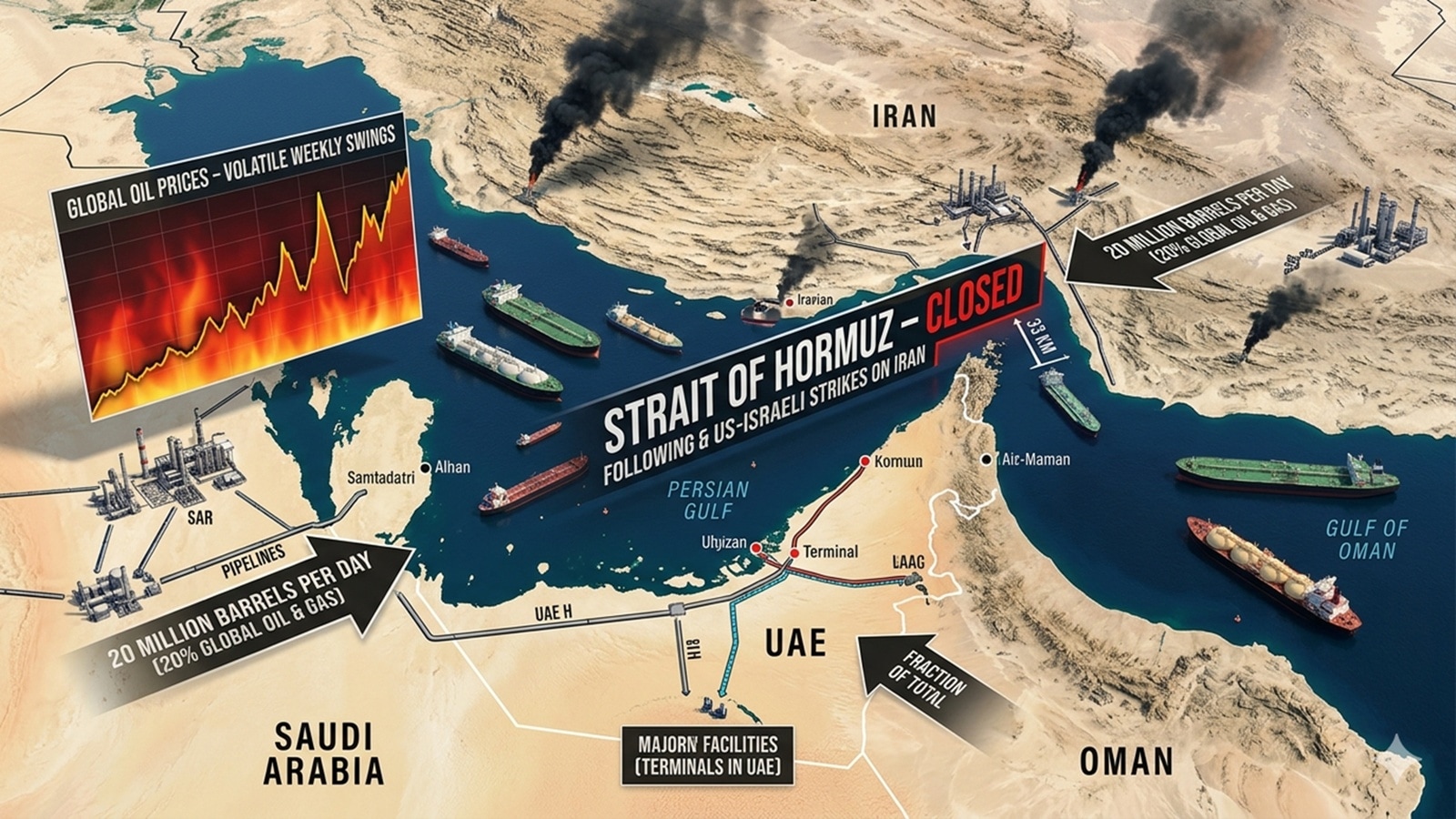
The global energy market is a delicate ecosystem, and few arteries are as vital as the Strait of Hormuz. When reports emerged that a potential memorandum between the United States and Iran could reopen this critical maritime chokepoint, the reaction was immediate: oil prices plummeted, with Brent crude dipping below $95 per barrel.

This isn’t just a market fluctuation. it’s a reflection of how deeply geopolitical tension is baked into the price of every gallon of gas. With nearly 20% of the world’s petroleum supply passing through this narrow stretch, any signal of stability acts as a massive relief valve for the global economy.
Geopolitics as a Market Driver
The current volatility highlights the “geopolitical risk premium”—the extra cost investors pay when they fear supply disruptions. Historically, when tensions flare in the Persian Gulf, the premium spikes. Conversely, as we are seeing now, the mere whisper of diplomatic progress—even an informal framework—can trigger a rapid sell-off.

The proposed deal involves a delicate trade-off: Tehran would stop disrupting commercial shipping in exchange for the withdrawal of U.S. Military forces from its immediate vicinity. For traders, this represents a transition from a “war footing” to a “diplomatic footing,” which is historically bullish for global economic stability.
The Strait of Hormuz is not just about oil. It is also a primary route for roughly one-third of the world’s seaborne fertilizer trade. A closure here doesn’t just impact fuel costs—it ripples through global food prices, creating a dual-threat of energy and food inflation.
Future Trends: What to Expect in Energy Security
As we look toward the future, the reliance on single maritime chokepoints is becoming a strategic liability for energy-importing nations. Here is how the landscape is likely to shift:
- Diversification of Supply Routes: Expect nations to prioritize pipelines that bypass high-risk zones, such as the expansion of the East-West pipeline in Saudi Arabia.
- Strategic Stockpile Management: Governments will likely increase their Strategic Petroleum Reserves (SPR) to act as a buffer against sudden, short-term blockades.
- The Rise of Regional Energy Alliances: The mention of Oman’s role in managing commercial traffic indicates a move toward regional “self-policing” rather than relying solely on external military presence.
Pro Tip: How to Navigate Volatile Energy Markets
When headlines about the Middle East dominate the news, avoid knee-jerk reactions. Instead, look at the structural changes. If a deal is signed, look for “hmatatelné ověření” (tangible verification) mentioned by officials. Markets often overreact to rumors; the real trend only sets in once the ink is dry and the tankers are moving freely again.
Frequently Asked Questions
A: It is the world’s most important oil transit chokepoint. If it is blocked, millions of barrels of oil are delayed or forced to take longer, more expensive routes, instantly tightening global supply.
A: Long-term, yes. By reducing the global demand for fossil fuels, the strategic importance of maritime chokepoints will eventually diminish, though this transition is expected to take decades.
A: Monitor major energy news outlets and watch the price action of Brent and WTI futures, which act as the global “thermometer” for geopolitical tension.
What are your thoughts on the future of energy security? Do you believe diplomatic solutions are sustainable in such a volatile region, or should the world focus more on alternative energy sources? Share your thoughts in the comments below!
For more in-depth analysis on how global events impact your portfolio, subscribe to our weekly market insights newsletter.