
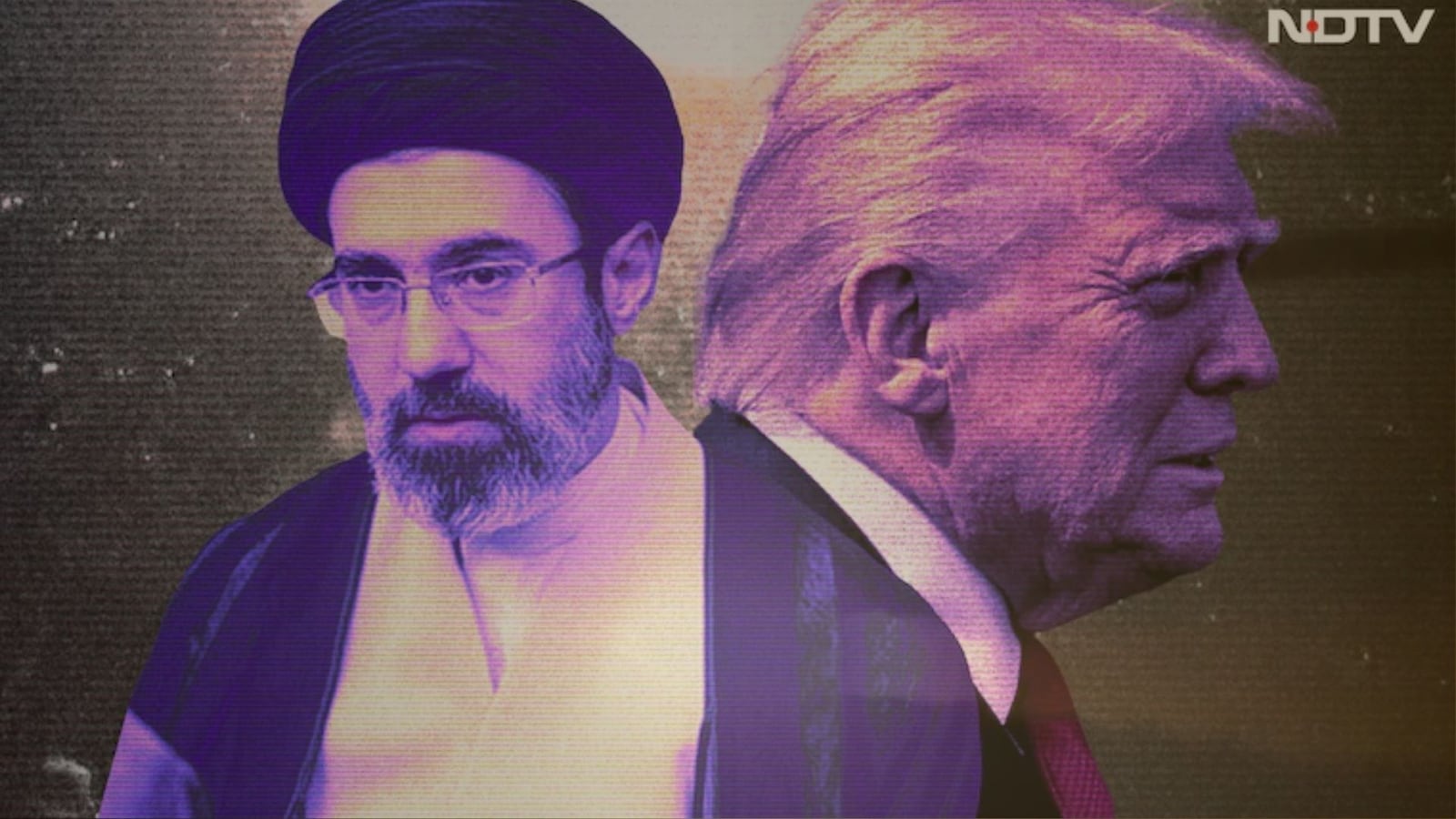
Only 24% Of Americans Think War With Iran Was Worth It: Polls
A Reuters/Ipsos poll shows only 24% of Americans believe the war with Iran was worth its costs, while 63% doubt the June 17 truce will lead to lasting peace. The conflict has pushed President Donald Trump’s approval rating to 34%, the lowest point of his second term.
Why do Americans doubt the US-Iran truce?
Most Americans don’t believe the current agreement between Washington and Tehran is permanent. According to the Reuters/Ipsos poll, 63% of respondents think it’s unlikely the deal signed on June 17 will result in lasting peace. The skepticism is split along party lines, with eight in 10 Democrats and roughly half of Republicans doubting the outcome.
Only 18% of the total population sees lasting peace as likely. This includes just 10% of Democrats and 34% of Republicans. The deal, signed by Trump and Iranian President Masoud Pezeshkian, focuses on reopening oil and gas shipping lanes and easing US-led economic sanctions.
How has the conflict affected gas prices and the economy?
The June 17 deal triggered a rapid drop in global crude oil prices, but American drivers haven’t felt the relief at the pump. The Reuters/Ipsos poll notes that gasoline prices for most Americans remain significantly higher than they were before the February 28 strikes.
This economic friction has hit the president’s popularity. Trump’s approval rating regarding the cost of living has fallen to 22%. This figure is lower than the rating Joe Biden held at the end of his presidency, according to the poll data. It’s a sharp contrast to Trump’s 2024 campaign promises to lower inflation and avoid expensive foreign wars.
Is the US in a stronger position after the war?
Public opinion suggests the conflict failed to improve the U.S. strategic standing. Only 23% of Americans believe the U.S. is in a stronger position now than it was before the war started. Meanwhile, 35% of respondents believe the U.S. is in a weaker position.
The remaining respondents were either unsure or felt the position remained the same. This perception of strategic loss aligns with the drop in Trump’s overall approval rating, which returned to the 34% low previously seen in an April survey.
Comparing Public Sentiment: Republicans vs. Democrats
The divide over the Iran conflict reflects deep partisan splits, though some common ground exists regarding the cost of the war. While Republicans are more likely to support the administration, only half of them believe the U.S. is in a stronger position following the conflict.
| Metric | Republicans | Democrats |
|---|---|---|
| Believe peace is likely | 34% | 10% |
| Believe peace is unlikely | ~50% | 80% |
Frequently Asked Questions
When was the US-Iran truce signed?
President Donald Trump and President Masoud Pezeshkian signed the preliminary deal on June 17.

What were the primary terms of the June 17 deal?
The agreement focused on reopening frozen oil and gas shipping lanes and easing US-led economic pressure on Iran.
What triggered the start of the war?
The conflict began with US-Israeli strikes on February 28.
How did the public react to the war’s cost?
According to a Reuters/Ipsos poll, only 24% of Americans believe the war was worth the costs, while 50% explicitly stated it was not.
Stay Informed on Global Conflicts
Do you think the June 17 truce will hold, or is further escalation inevitable? Share your thoughts in the comments below or subscribe to our newsletter for daily geopolitical updates.