

Ultra-Processed Foods Linked to Type 2 Diabetes Risk in Adolescents
Researchers from the Biosanitary Research Institute of Granada (ibs.GRANADA) found that higher consumption of ultra-processed foods in adolescents is associated with biochemical markers linked to type 2 diabetes. The study, published in the journal Foods, analyzed 31 adolescents in Melilla to identify early metabolic alterations.
Why does ultra-processed food increase diabetes risk in teens?
Ultra-processed foods are industrial products made from refined ingredients and additives, often containing high levels of salt, unhealthy fats, and added sugars. According to the ibs.GRANADA study, higher intake of these low-nutrition products correlates with increased body fat accumulation.
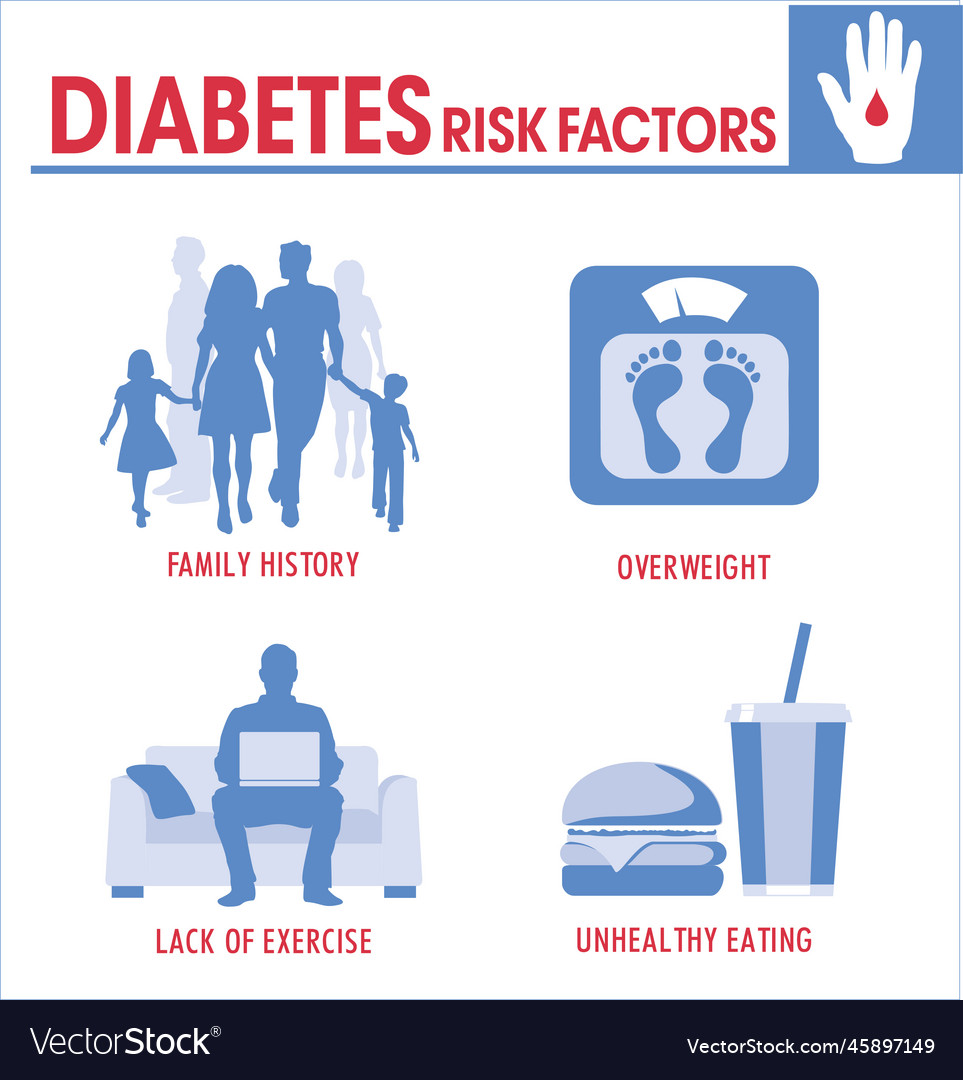
The research identified elevated fasting glucose levels and changes in blood parameters linked to cardiovascular and metabolic health, specifically triglycerides and certain types of cholesterol. Dr. Miriam Mohatar-Barba, a lead researcher and professor at the University of Granada, stated these associations underscore the importance of preventive strategies from an early age.
How were the adolescents in Melilla studied?
The study focused on a pilot sample of 31 Muslim adolescents between 15 and 17 years old living in the Autonomous City of Melilla. Investigators analyzed several physical metrics, including body mass index (BMI), waist circumference, and the waist-height index.
Blood analysis provided data on fasting glucose and inflammation markers. This research was funded by the 2023 Research Stimulus Program of the University of Granada under a project focused on predicting type 2 diabetes in multicultural contexts.
What differences exist between boys and girls?
The study found that inflammation markers varied by gender. Girls exhibited higher levels of several molecules involved in the immune response, while boys showed a different specific inflammatory marker.
According to the researchers, these findings suggest that low-grade inflammation may appear in the early stages of metabolic risk during adolescence. This indicates that the body’s inflammatory response to poor diet may manifest differently across genders.
What could happen next for adolescent nutrition?
The results may lead to the development of targeted nutritional interventions to reduce ultra-processed food consumption among young people. Such programs could be specifically adapted for sociocultural contexts like that of Melilla.
Future efforts might focus on promoting healthy lifestyle habits during the adolescent years. Because this stage is sensitive for habit formation, these interventions could potentially influence health outcomes in adulthood.
Frequently Asked Questions
What are ultra-processed foods?
They are industrial products created from refined ingredients and additives, typically characterized by low nutritional value and high amounts of salt, unhealthy fats, and added sugars.
Who participated in the ibs.GRANADA study?
The study involved 31 Muslim adolescents, aged 15 to 17, residing in the Autonomous City of Melilla.
What biochemical markers were linked to ultra-processed foods?
Higher consumption was associated with increased fasting glucose, elevated triglycerides, changes in cholesterol, and markers of body fat accumulation and inflammation.
Reference: Mohatar-Barba, M., et al. (2026). Foods, 15(2), 319.
How do you think schools could better manage the availability of ultra-processed foods for teenagers?