
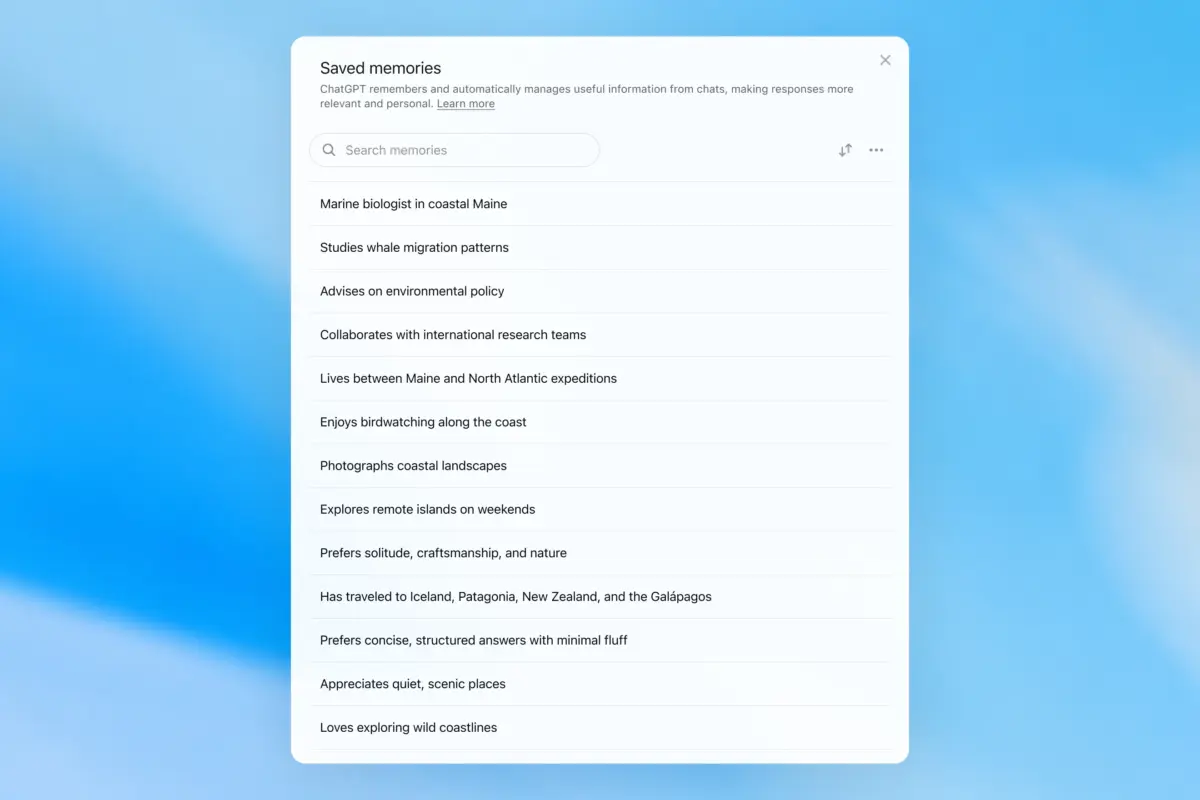
OpenAI Launches Dreaming V3: A Major Upgrade to ChatGPT Memory
Beyond the Prompt: How AI Memory is Transforming the Human-Machine Relationship
For years, interacting with an AI felt like having a conversation with someone who suffered from severe short-term memory loss. You’d spend the first ten minutes of every session reminding the bot who you are, what your business does, and why you hate the colour magenta. Then came the “Saved Memories” era—a manual, clunky process of explicitly telling the AI, “Remember that I prefer concise emails.”
The leap to architectures like OpenAI’s “Dreaming” represents a fundamental shift. We are moving away from explicit instruction toward implicit understanding. When an AI can synthesize memories in the background—essentially “dreaming” or processing information while idle—it stops being a tool and starts becoming a personalized agent.
The Era of Hyper-Personalization: From Generic to Bespoke
The real-world implication of improved factual recall and preference adherence is the death of the “generic prompt.” In the near future, the concept of a “prompt library” may become obsolete because the AI already possesses the necessary context.
Imagine a freelance graphic designer using an AI assistant. Instead of typing, “I am a designer who uses Adobe Illustrator and prefers a minimalist aesthetic for my corporate clients,” they simply say, “Draft the mood board for the new client.” The AI recalls the designer’s style, their previous successful projects, and the specific feedback they received from past clients to generate a tailored starting point.
The “Life OS” Trajectory
As AI memory becomes more efficient—reducing the compute cost to serve millions of users—we are heading toward a “Life OS.” This is a system that doesn’t just remember your preferences but understands your behavioral patterns.
- Predictive Scheduling: Your AI knows you typically struggle with focus on Tuesday afternoons and automatically suggests deep-work blocks.
- Adaptive Learning: An AI tutor that remembers exactly which mathematical concept you struggled with three weeks ago and weaves a refresher into today’s lesson.
- Contextual Health Tracking: Integrating with global health data and personal history to notice subtle changes in your wellness patterns over months, not just days.
The Privacy Paradox: Convenience vs. Surveillance
With great memory comes great responsibility—and significant risk. The ability for an AI to “dream” and synthesize information from your history means We see building a psychological profile of the user. This creates a tension between the desire for a seamless experience and the need for data sovereignty.
The introduction of memory summary pages and granular deletion tools is a step in the right direction. However, as AI begins to handle more sensitive data—such as financial accounts or medical histories—the industry must move toward Local-First Memory. This would allow the AI to “remember” your life while storing the actual data on your device, rather than in a centralized cloud.
Industry experts suggest that the next battleground in AI won’t be about who has the largest model, but who has the most trustworthy memory architecture. Users will gravitate toward platforms that offer “Forget-Me” buttons that actually work across all synthesized layers of the AI’s brain.
Future Trends: What Comes After Dreaming?
If Dreaming V3 is about recalling and updating, the next evolution will be about proactive synthesis. We are looking at a transition from reactive memory to predictive intelligence.
Cross-Platform Memory Sync
Currently, AI memory is often siloed within a single app. The next logical step is a unified memory layer that follows you across devices. Your AI shouldn’t just remember what you said in a chat; it should remember the document you edited in your word processor and the email you sent from your phone, creating a holistic understanding of your current goals.
Emotional Intelligence (EQ) Integration
Future memory systems will likely track not just what was said, but the emotional tone associated with it. If an AI remembers that you were stressed during a specific project, it can adjust its communication style to be more supportive and less demanding when similar patterns emerge in the future.
For more on how these systems are evolving, check out our guide on the future of AI automation and how it impacts the modern workforce.
Frequently Asked Questions
Q: Does AI memory mean the bot is “conscious” of me?
A: No. AI memory is a sophisticated data retrieval system. It uses embeddings and vector databases to associate current prompts with past information; it does not possess sentience or a personal relationship with the user.
Q: Can I stop the AI from automatically remembering things?
A: Yes. Most modern systems include a toggle to disable memory entirely or allow you to use “Temporary Chats” that do not save or influence the AI’s long-term memory.
Q: How does “Dreaming” differ from a standard context window?
A: A context window is like short-term memory (what’s happening in the current chat). “Dreaming” or long-term memory is like a permanent filing cabinet that the AI can dip into regardless of when the conversation happened.
What do you think? Does the idea of an AI that “dreams” and remembers your life feel like a productivity superpower or a privacy nightmare? Let us know in the comments below, or subscribe to our newsletter for the latest insights into the AI revolution.