
OpenAI to Launch ChatGPT on Pentagon’s GenAI.mil in July
OpenAI will deploy ChatGPT on the Pentagon’s GenAI.mil platform in July, according to Mohammed Husain, OpenAI’s strategic delivery lead for cyber. The rollout provides over 3 million defense personnel access to generative AI supporting Impact Level 5 workloads and controlled unclassified information, as reported by Nextgov/FCW.
How will ChatGPT integrate into the Department of Defense ecosystem?
OpenAI is working with the Chief Digital and Artificial Intelligence Office to field ChatGPT across the military enterprise. Husain told the Defense One Tech Summit in Virginia that the company expects to go live “extremely soon,” with a broader announcement slated for early July.
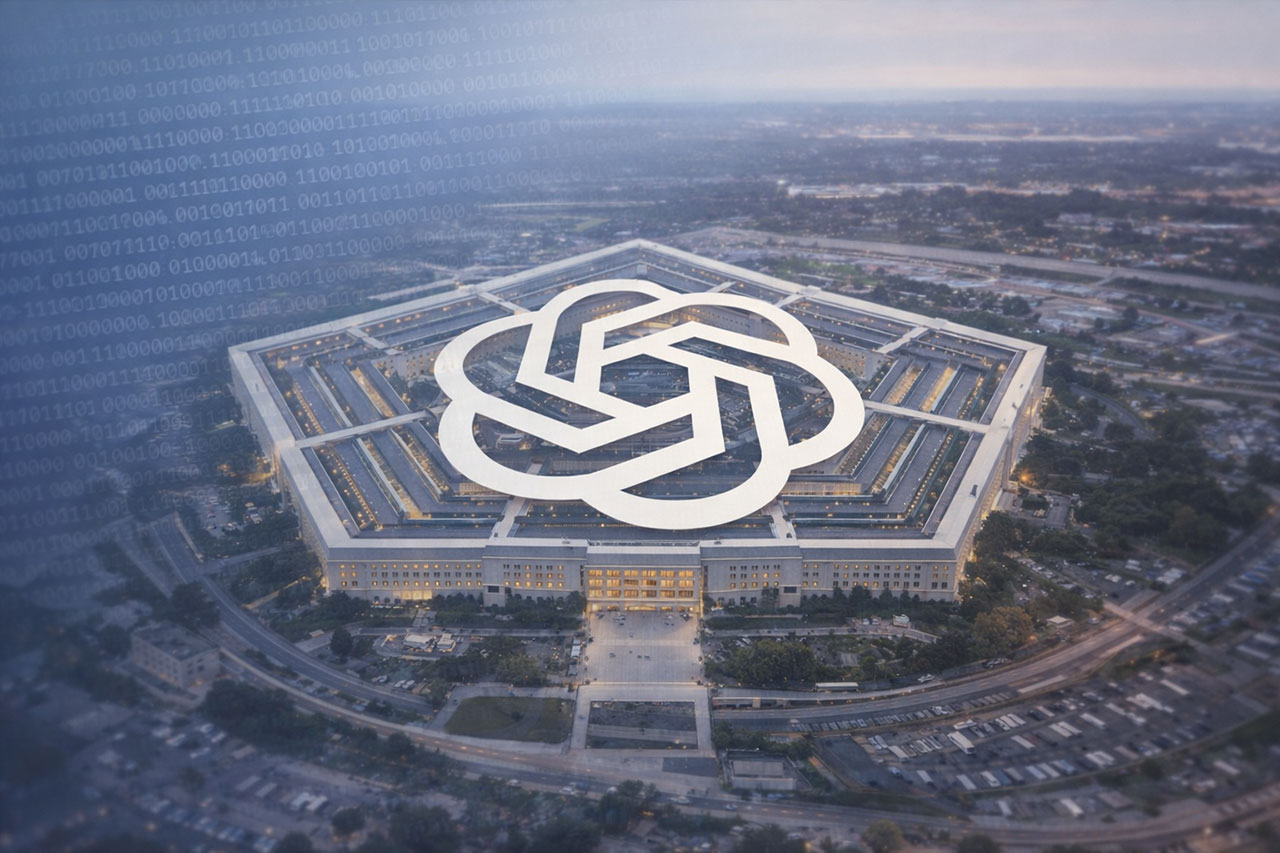
The deployment centers on GenAI.mil, an enterprise platform the Pentagon launched in December. This environment allows defense personnel to use approved generative AI tools in a centralized, secure space. By integrating ChatGPT, the DoD expands the toolset available to more than 3 million personnel.
Crucially, this deployment supports Impact Level 5 (IL5) workloads. This means the system is cleared to handle controlled unclassified information (CUI), ensuring that sensitive but non-classified data remains protected within government-approved security boundaries.
What other AI models are available on GenAI.mil?
The addition of ChatGPT marks a shift toward a multi-model strategy for the Pentagon. According to the Department of Defense, GenAI.mil was designed to offer a variety of “frontier models” rather than relying on a single provider.
Google’s Gemini for Government was among the first models available on the platform. The DoD later added xAI for Government to the ecosystem. By adding OpenAI, the military now has access to three of the most prominent large language model (LLM) developers in the private sector.
This variety allows the DoD to align its AI adoption with the White House’s AI Action Plan and the department’s own AI Acceleration Strategy. The goal is to speed up the integration of AI into mission applications while maintaining oversight.
What are the security guardrails for military AI deployment?
The July rollout follows a series of strategic agreements between OpenAI and the government. In March, OpenAI agreed to deploy advanced models on classified networks. This agreement established three “red lines” to govern how the systems are used, ensuring AI doesn’t bypass critical human oversight in sensitive areas.
The partnership expanded further through the General Services Administration’s OneGov agreement, signed in August 2025, which made OpenAI’s platform available to various federal agencies.
These guardrails are designed to prevent “hallucinations” or data leaks from compromising national security. By using the GenAI.mil environment, the DoD ensures that user prompts and data are not used to train public versions of OpenAI’s models.
What happens next for AI in defense?
Military and industry leaders are shifting their focus from procurement to practical mission application. The Potomac Officers Club will host the 2026 Air and Space Summit on July 30 and the 2026 Navy Summit on Aug. 27 to examine these emerging capabilities.

These summits will bring together government contractors, technology executives, and military officials. The discussions will likely center on how LLMs like ChatGPT can be used for predictive maintenance, intelligence analysis, and streamlined logistics.
Comparison of GenAI.mil Model Integration
| AI Provider | Integration Status | Primary Focus |
|---|---|---|
| Google (Gemini) | Early Adopter | Government-specific LLM |
| xAI | Integrated | Frontier model access |
| OpenAI (ChatGPT) | July Rollout | IL5/CUI workloads |
Frequently Asked Questions
When will ChatGPT be available on GenAI.mil?
OpenAI plans to deploy the service in July, according to Mohammed Husain.
Who can access ChatGPT through this platform?
The rollout will make the tool available to more than 3 million defense personnel.
Can ChatGPT handle sensitive military data?
Yes, the deployment supports Impact Level 5 (IL5) workloads and controlled unclassified information (CUI).
Do you think multi-model AI environments are safer for national security than relying on a single provider? Share your thoughts in the comments below or subscribe to our newsletter for more updates on defense technology.