
Orthoptera as emerging nutritional resources: comparative analysis of protein and mineral composition
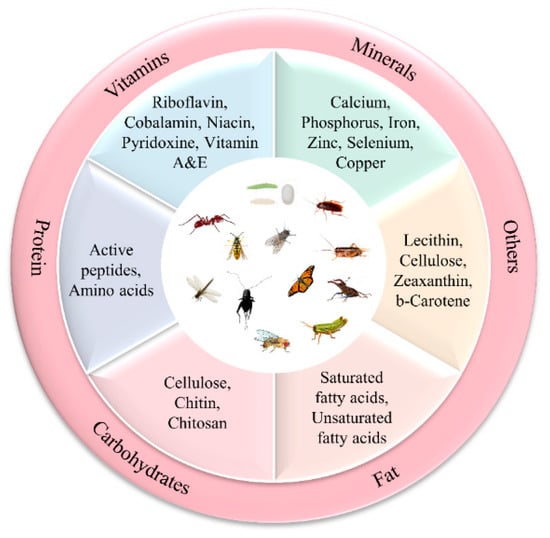
As the global search for sustainable nutrition intensifies, the spotlight is turning toward the Orthoptera order—a group of insects that includes crickets, grasshoppers and locusts. Recent nutritional evaluations have confirmed that these insects represent a significant, high-protein resource capable of providing essential minerals, positioning them as viable candidates for the future of food and feed.
The Nutritional Profile of Orthoptera
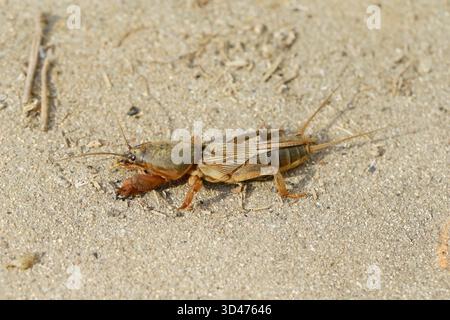
Researchers examined five specific species: Gryllotalpa gryllotalpa, Anacridium aegyptium, Uvarovistia satunini, Gryllus bimaculatus, and Saga ephippigera. The analysis focused on protein levels and key mineral elements, including sodium, magnesium, potassium, calcium, and iron.
The study revealed that while all five species offer nutritional value, their compositions vary significantly. Uvarovistia satunini, Saga ephippigera, and Anacridium aegyptium emerged as the leaders in protein density. Even species with lower protein markers, such as Gryllotalpa gryllotalpa and Gryllus bimaculatus, remain well within the established nutritional range for edible insects.
Mineral Diversity and Future Implications
Beyond protein, these insects serve as distinct sources of essential minerals. Potassium was identified as the most abundant mineral across all tested species, with Anacridium aegyptium showing particularly high concentrations. Other minerals showed species-specific accumulation patterns: Gryllotalpa gryllotalpa was highest in sodium, while Gryllus bimaculatus led in iron content.
What may happen next is a shift toward more targeted cultivation efforts. Because each species exhibits a unique mineral profile, future agricultural initiatives may prioritize specific taxa based on the specific nutritional requirements of the intended food or feed supply. As research continues to confirm their viability, these species could eventually become mainstream components of a sustainable global diet.
Frequently Asked Questions
Which of the studied species has the highest protein content?
The highest protein content was detected in Uvarovistia satunini, followed by Saga ephippigera and Anacridium aegyptium.

Are all the studied insects equally rich in minerals?
No. The study found considerable interspecific variation. For example, potassium was the most abundant element but Gryllotalpa gryllotalpa was highest in sodium, and Gryllus bimaculatus exhibited the greatest concentration of iron.
Why is this research important for the future of food?
These findings suggest that Orthoptera species serve as promising candidates for sustainable alternative food and feed sources, highlighting the need for species-level evaluations when assessing the nutritional potential of insect-derived resources.
How do you feel about the potential of incorporating insect-based proteins into your own nutritional routine?