
Overcoming Long-Term Infertility With NaProTechnology: Natural Pregnancy Success
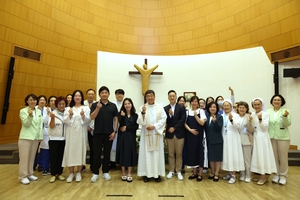
Three couples who experienced long-term infertility have achieved natural pregnancies through the NaProTechnology program at Seoul St. Mary’s Hospital. The hospital hosted a “Fetal Blessing Ceremony” on May 9 to celebrate these pregnancies, which occurred after the couples struggled for three to seven years to conceive. Currently, the center reports a cumulative pregnancy count of 13, with a 27.7% success rate.
Understanding NaProTechnology
NaProTechnology, or Natural Procreative Technology, differs from traditional fertility treatments by focusing on restoring a woman’s natural reproductive health. According to Seoul St. Mary’s Hospital, the method involves detailed observation of a woman’s menstrual cycle, hormonal fluctuations, and ovulation patterns to identify and treat the underlying causes of infertility. Patients utilize the Creighton Model System to monitor their biological rhythms, allowing medical staff to provide targeted, personalized care.
Did You Know?
The NaProTechnology program at Seoul St. Mary’s Hospital serves as a central hub for a life-protection network spanning five hospitals under the Catholic Medical Center, including locations in Yeouido, Uijeongbu, Bucheon, and Eunpyeong.
The Path to Conception
The three couples honored at the ceremony sought assistance at the center after facing infertility for periods ranging from three to seven years. Following the implementation of the Creighton Model System and targeted medical interventions, these couples achieved natural pregnancies within two, six, and seven months, respectively. All three pregnancies are progressing toward expected delivery dates between October and December of this year.
Expert Insight:
Samantha Carter notes that the significance of this approach lies in its focus on restorative medicine rather than bypassing natural biological processes. By addressing the clinical root causes of infertility through long-term monitoring, the model provides an alternative for patients who may have previously experienced unsuccessful outcomes with standard assisted reproductive technologies.
Future Outlook for Fertility Care
The Seoul St. Mary’s Hospital NaProInfertility Center, which opened in 2025, plans to integrate its fetal blessing ceremonies and birth celebrations as regular, scheduled events. Medical leadership, including Center Director Park In-yang, stated that the team intends to provide consistent, professional support for patients, including those who have faced previous treatment failures. As the center continues its outreach and education efforts, it may see an increase in patient intake as it seeks to normalize this restorative approach within the broader clinical landscape.
Frequently Asked Questions
What is the primary difference between NaProTechnology and traditional fertility treatments?
NaProTechnology focuses on identifying and treating the underlying causes of infertility to restore a woman’s natural reproductive capacity, rather than utilizing traditional assisted reproductive technology methods.
How long did it take for the couples mentioned to achieve pregnancy?
After beginning the NaProTechnology program, the three couples achieved natural pregnancy in two, six, and seven months, respectively.
What is the current success rate of the center?
According to hospital data, the center has achieved a cumulative total of 13 pregnancies with a 27.7% success rate.
Would you consider a restorative approach to fertility that prioritizes natural biological cycles over traditional medical interventions?