

Secretary Kennedy Announces Over $700 Million in New Funding to Address Mental Illness, Addiction, Homelessness
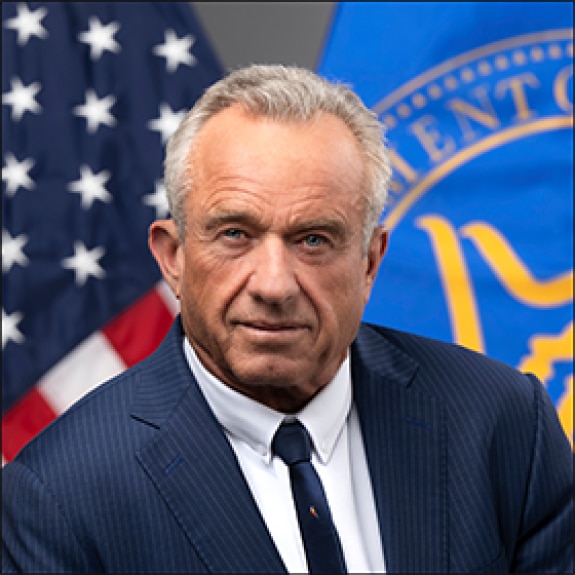
U.S. Department of Health and Human Services (HHS) Secretary Robert F. Kennedy, Jr. announced over $700 million in new federal behavioral health funding today, aimed at addressing addiction, mental illness, and homelessness. The investment includes $96 million for the new Safety Through Recovery, Engagement, and Evidence-based Treatment and Support (STREETS) program and $612 million for broader mental health and substance use disorder services, all supporting President Trump’s Great American Recovery Initiative.
What is the STREETS Program?
The STREETS program, managed by the Substance Abuse and Mental Health Services Administration (SAMHSA), will provide $96 million over four years to eight selected communities. According to HHS, the initiative awards each community up to $3 million annually to build multisector care systems for individuals experiencing homelessness alongside substance use or mental health disorders. The program mandates a community-wide approach involving local government, health providers, law enforcement, and the courts. Notably, funding recipients are prohibited from using “housing first” models or specific harm reduction services under this initiative.
Did You Know? The STREETS program is designed to align with President Trump’s Executive Order on Ending Crime and Disorder on America’s Streets, focusing on rapid, street-based engagement to move individuals into treatment.
Broadening Behavioral Health Support
Beyond the STREETS program, HHS is directing $612 million toward existing behavioral health infrastructure. This includes $223.1 million for Certified Community Behavioral Health Clinics (CCBHCs) to expand access to comprehensive care and $238.6 million for the 988 & Suicide Crisis Lifeline. The latter is intended to improve response times for calls, chats, and texts, while specifically bolstering services for Tribal communities and those at high risk of overdose or suicide.
Expert Insight: Samantha Carter notes that by prioritizing CCBHCs as a “cornerstone” of care, the administration is attempting to stabilize the behavioral health safety net. The emphasis on linking these clinics with street-level engagement programs suggests a policy shift toward highly coordinated, site-specific interventions to manage the intersection of public safety and public health.
What Happens Next?
As these funds reach local jurisdictions, communities may see an increase in mobile crisis care and expanded diversion programs that steer individuals with mental illness away from the criminal justice system. Analysts expect that states will utilize the $223.1 million in CCBHC funding to develop new certification systems, potentially increasing the number of clinics eligible for the Medicaid Demonstration Program. While the impact of these investments remains to be seen, the federal government aims to measure success through improved recovery outcomes and reduced crisis events across the country.
Frequently Asked Questions
Who is eligible to receive STREETS program funding?
The program will award funding to eight communities that develop multisector, state-of-the-art care systems to address homelessness, substance use, and serious mental illness.
Are there restrictions on how STREETS funding can be used?
Yes. Programs receiving this specific funding are prohibited from using “housing first” approaches or providing prohibited harm reduction services.
Where can individuals find help if they are in crisis?
Individuals can call or text 988, visit 988lifeline.org, or locate a treatment facility at FindTreatment.gov.
How do you believe these new community-based initiatives will change the way your local area handles behavioral health crises?