

PAHO Warns Suriname of Extreme Weather and Public Health Risks
The Pan American Health Organization (PAHO) is warning Suriname and other regional nations to maintain strict health system preparedness for the 2026 Atlantic hurricane season. Despite NOAA forecasts predicting a below-average season, PAHO emphasizes that single severe storms or El Niño-driven floods and droughts could severely disrupt medical services and public health.
Why is PAHO warning Suriname despite a quieter forecast?
The U.S. National Oceanic and Atmospheric Administration (NOAA) expects the 2026 Atlantic hurricane season to remain below average, partly due to El Niño. However, PAHO warns this isn’t a guarantee of safety.
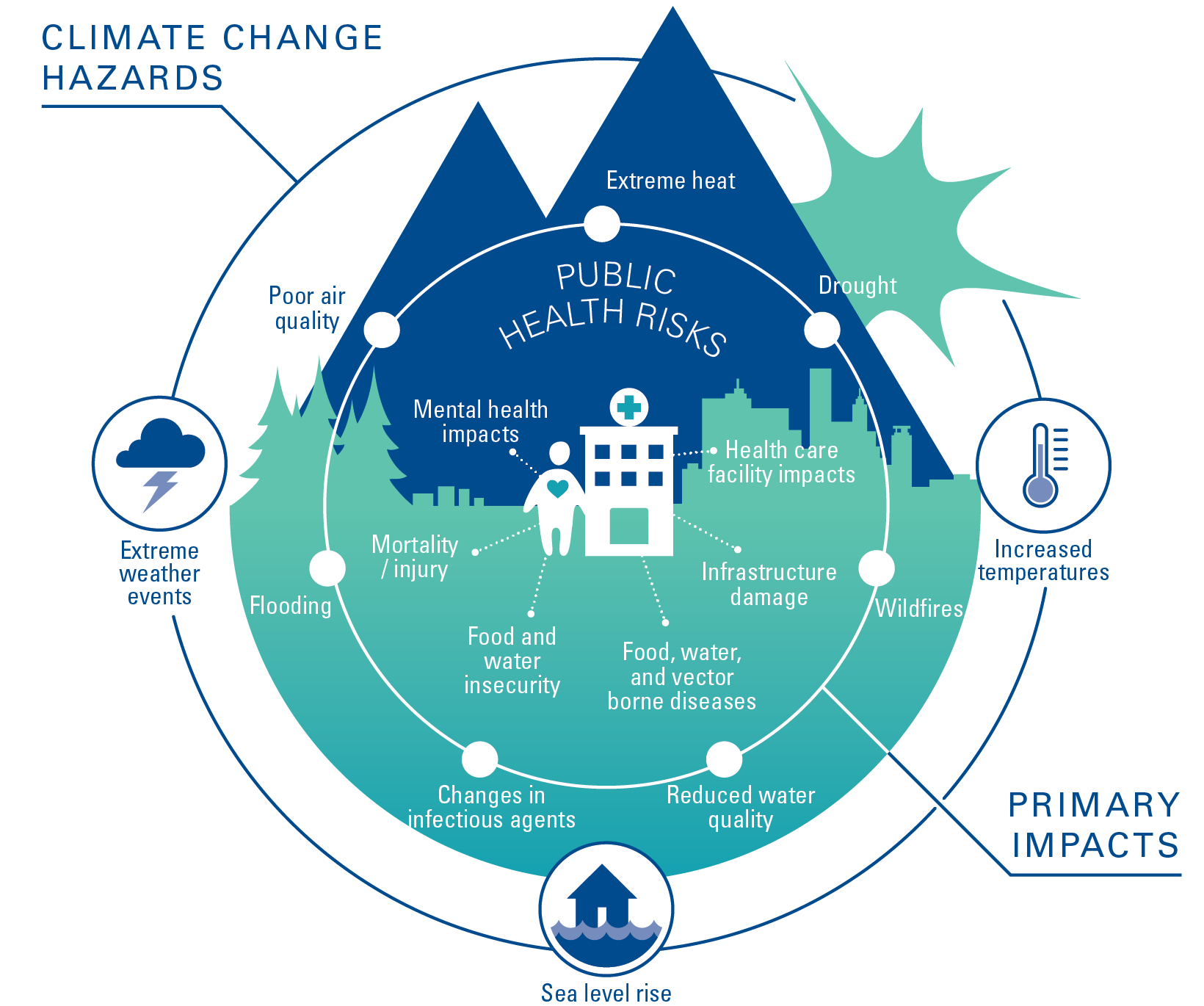
El Niño can trigger abnormal precipitation patterns. This includes heavy rainfall, landslides, floods, and periods of drought. For Suriname, which regularly faces extreme weather and flooding, these events can damage critical infrastructure and block access to medical care.
According to PAHO, a single severe storm is enough to seriously disrupt health services. This disruption creates significant risks for the general population and increases the burden on already strained health institutions.
What health risks follow extreme weather events?
Extreme weather doesn’t just damage buildings; it triggers specific health crises. PAHO notes an increased risk of water-related diseases and infections transmitted by mosquitoes. Respiratory ailments and physical injuries also typically spike during these periods.
The impact extends to mental health, with problems often increasing following natural disasters. These risks are compounded when climate events hit during existing health crises.
Currently, several countries in the region are battling outbreaks of yellow fever and measles. PAHO warns that simultaneous health and climate disasters could push the capacity of regional healthcare systems to a breaking point.
How are regional health systems preparing?
PAHO is urging facilities to secure up-to-date contingency plans and ensure staff are properly trained. Strong coordination mechanisms and improved community monitoring are also essential to detect health risks faster.
Leonardo Hernández, head of PAHO’s Emergency Operations Unit, states that preparing systems before an emergency occurs is essential. He notes this is the only way to protect lives, maintain access to crucial services, and limit the impact on vulnerable populations.
To sharpen these defenses, PAHO is organizing a virtual meeting on June 11. Representatives from national disaster agencies and health ministries across North, Central, and South America will meet to refine crisis management and epidemiological surveillance protocols.
These efforts may help countries better anticipate future emergencies and ensure that healthcare remains available even during extreme weather shifts.
Frequently Asked Questions
What is the NOAA forecast for the 2026 hurricane season?
NOAA expects the season to remain below average, influenced in part by the development of El Niño.
What specific health threats does PAHO associate with extreme weather?
The organization highlights risks including water-related diseases, mosquito-borne infections, respiratory issues, physical injuries, and mental health challenges.
What is the purpose of the June 11 meeting organized by PAHO?
The meeting aims to strengthen regional preparedness by sharpening protocols for healthcare, crisis management, and epidemiological surveillance.
How can communities better support their local health clinics before extreme weather hits?