

Pakistan PM: Final US-Iran Peace Deal Draft Agreed
Pakistan Prime Minister Shehbaz Sharif confirmed on June 13, 2026, that a final draft for a peace agreement between the United States and Iran has been reached. According to Sharif, Pakistan mediated the deal, which the White House describes as a performance-based agreement requiring Iran to dismantle its nuclear program and stop funding designated terrorist groups before receiving sanctions relief.
How did the US-Iran peace agreement come together?
Pakistan served as the mediator between Washington and Tehran for several months to facilitate the deal. Prime Minister Shehbaz Sharif announced the achievement of the final text via X, stating that peace between the two nations has “never been closer.”
Sharif noted that Pakistan is now working closely with both governments to finalize the next steps of the implementation process. He also warned against “disinformation campaigns” intended to sabotage the peace efforts, according to reports from AFP.
What are the specific conditions for Iran to receive sanctions relief?
The White House has categorized the deal as “performance-based,” meaning the U.S. will not grant concessions upfront. According to a White House official cited by Anadolu Agency, Iran must meet specific obligations before any frozen funds are released.
The mandatory requirements for Tehran include:
- The destruction and removal of Iranian nuclear materials.
- The complete dismantling of Iran’s nuclear program.
- A formal agreement to stop funding “terrorist groups.”
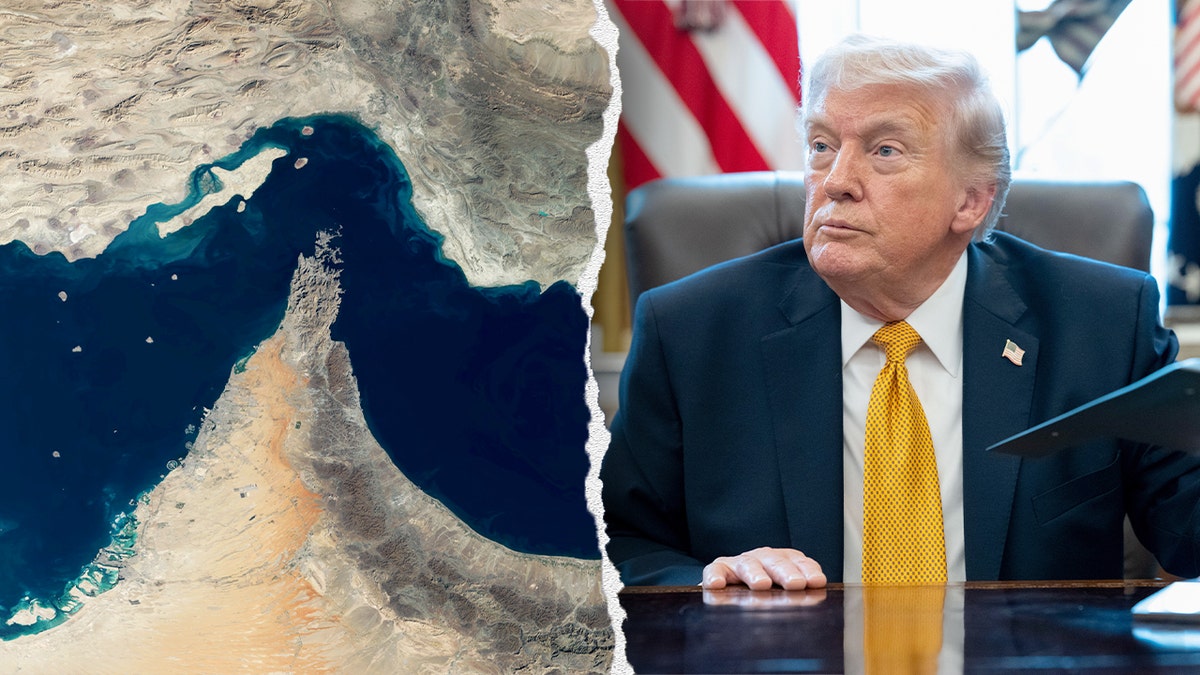
- A guarantee that the Strait of Hormuz remains open for international shipping.
The U.S. administration emphasized that “no money” will be released until these benchmarks are verified.
Why is there still tension between Trump and Tehran?
Despite the agreement’s draft, diplomatic friction remains. Donald Trump has accused Tehran of negotiating in “bad faith,” according to the provided reports. This contrast in framing shows a divide between the technical progress of the draft and the political relationship between the leaders.
Conversely, Iranian Foreign Minister Abbas Araghchi expressed optimism, asserting that an end to the war in the Middle East is closer than ever. The discrepancy between Araghchi’s outlook and Trump’s accusations suggests that while the text is agreed upon, trust between the two capitals is still fragile.
How does this deal differ from previous nuclear agreements?
Unlike prior diplomatic efforts that often involved simultaneous relief and compliance, this framework is strictly sequential. The White House’s insistence on the destruction of materials before the release of funds marks a harder line than previous iterations of nuclear diplomacy.

By linking the deal to the funding of regional proxies and the security of the Strait of Hormuz, the U.S. has expanded the scope of the agreement beyond just nuclear capabilities to include broader regional security concerns.
Frequently Asked Questions
Pakistan acted as the mediator for several months, with Prime Minister Shehbaz Sharif confirming the finalization of the draft.
No. According to the White House, no funds will be released until Iran fulfills its obligations, including dismantling its nuclear program.
As part of the agreement, Iran must agree to keep the Strait of Hormuz open to ensure the flow of global trade.
What do you think about the “performance-based” nature of this deal? Can it hold if trust is low? Let us know in the comments or subscribe to our newsletter for the latest geopolitical updates.