
China and Mongolia Strengthen Strategic Partnership During Foreign Ministers’ Talks
China and Mongolia agreed to align their national development strategies and expand trade during talks between Foreign Minister Wang Yi and Foreign Minister Batmunkh Battsetseg in Ulaanbaatar on June 13, 2026. The two nations pledged mutual support for core interests and the expansion of high-quality Belt and Road cooperation, according to official statements.
Why are China and Mongolia aligning their development strategies?
The alignment centers on China’s 15th Five-Year Plan, which Wang Yi stated presents a “list of opportunities” for global partners. Because the two economies are highly complementary, Wang Yi said greater strategic alignment will expand trade and tap into untapped cooperation potential.
Batmunkh Battsetseg confirmed that Mongolia views its neighbors as “irreplaceable” and considers relations with China a priority in its foreign policy. Mongolia aims to use this alignment to increase investment and enhance connectivity, specifically targeting growth in critical minerals and ecological governance.
What happens to regional security and sovereignty?
Both ministers cited the China-Mongolia Treaty of Friendly Relations and Cooperation as the foundation for their security relationship. Wang Yi noted that the treaty explicitly prohibits either side from allowing a third country to use its territory to undermine the other’s sovereignty or security.
This clause serves as a safeguard against external interference in a region characterized by “profound changes unseen in a century,” according to Wang Yi. The two sides agreed to provide steadfast mutual support on issues concerning their respective core interests to address external challenges.
How will cooperation in minerals and ecology evolve?
Mongolia is seeking to deepen cooperation in critical minerals, a key component of the global energy transition. Batmunkh Battsetseg stated that Mongolia looks forward to strengthening trade and investment in this sector, alongside ecological governance initiatives.
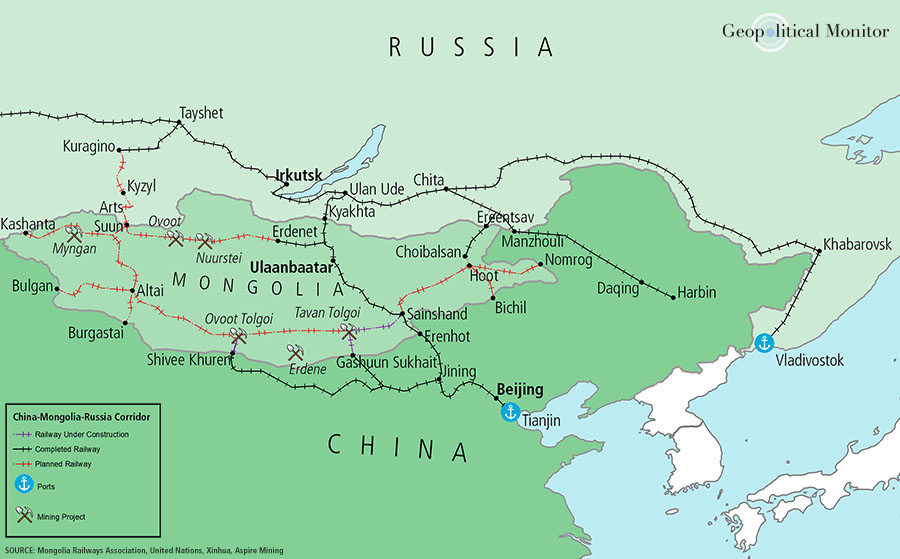
Wang Yi responded by stating China is ready to advance “high-quality Belt and Road cooperation.” This involves increasing the volume and quality of cooperation across various sectors to produce “tangible outcomes” for both populations.
For more on how these partnerships function, see the United Nations guidelines on sustainable development goals.
What is Mongolia’s stance on China’s core interests?
Batmunkh Battsetseg explicitly stated that the Mongolian side understands and supports China’s position on all issues regarding its core interests. This includes a firm adherence to the one-China principle.
According to Battsetseg, Mongolia supports China’s efforts to safeguard its territorial sovereignty and achieve national reunification. She stated clearly that Mongolia does not support “Taiwan independence.”
How are both nations approaching global governance?
China and Mongolia expressed a shared commitment to multilateralism in the face of “rampant unilateralism and rising protectionism,” according to Wang Yi. Both countries support the United Nations’ central role in international affairs.
Batmunkh Battsetseg commended China’s recent high-level meeting during its rotating presidency of the UN Security Council, which proposed reforms to global governance. Mongolia intends to play a larger role in regional stability through the Shanghai Cooperation Organization (SCO) and Asia-Pacific Economic Cooperation (APEC).
Comparison of Strategic Priorities
| Priority Area | China’s Focus (Wang Yi) | Mongolia’s Focus (Battsetseg) |
|---|---|---|
| Economy | 15th Five-Year Plan alignment | Critical minerals & investment |
| Security | No third-party interference | Stability & regional peace |
| Diplomacy | Multilateralism & UN role | SCO & Trilateral cooperation |
Frequently Asked Questions
What was the main outcome of the June 13 talks?
The two foreign ministers signed cooperation documents between their respective ministries and agreed to align Mongolia’s development with China’s 15th Five-Year Plan.

Does Mongolia support the one-China principle?
Yes. Minister Batmunkh Battsetseg stated that Mongolia firmly adheres to the one-China principle and does not support “Taiwan independence.”
What is the “third country” clause mentioned in the talks?
It is a provision in the China-Mongolia Treaty of Friendly Relations and Cooperation stating that neither nation will allow a third country to use its territory to undermine the other’s security or sovereignty.
Want to stay updated on Asian diplomatic trends? Share your thoughts on the China-Mongolia partnership in the comments below or subscribe to our newsletter for deeper geopolitical analysis.