
Pentagon Airlifts Nuclear Reactor in Push for New Energy Tech
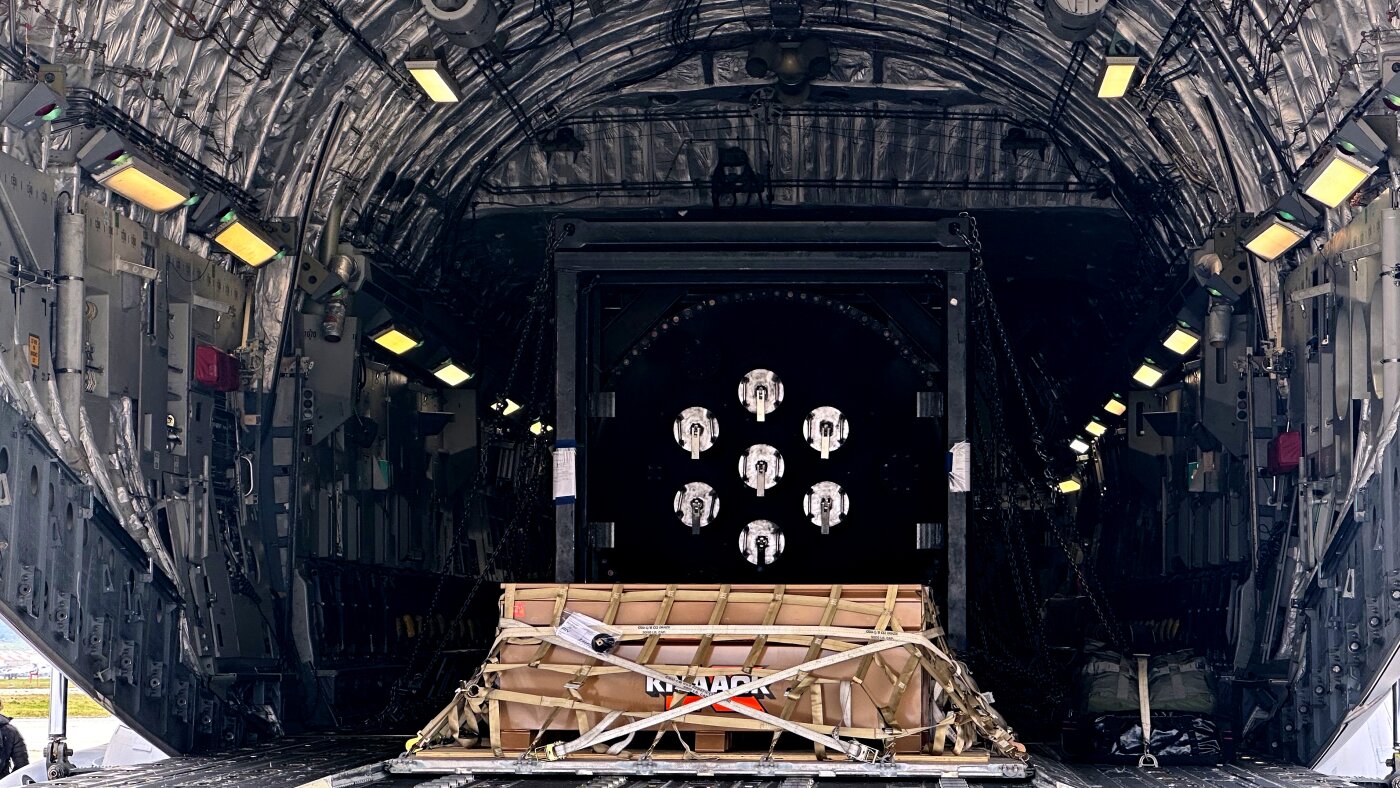
Hill Air Force Base, Utah, recently became the site of a first-of-its-kind event: the airlift of a small nuclear reactor from California. The Pentagon and the Energy Department collaborated on the operation, transporting a 5-megawatt microreactor via a C-17 aircraft on February 15, 2026, without nuclear fuel.
A Demonstration of Rapid Deployment
This demonstration highlights the Trump administration’s push to accelerate the licensing and deployment of nuclear energy, both for military applications and to meet growing energy demands from sectors like artificial intelligence and data centers. The flight itself—a nearly 700-mile journey from March Air Reserve Base in California—was intended to showcase the potential for quickly positioning these reactors where they are needed.
Expanding Nuclear Capacity
Energy Secretary Chris Wright and Undersecretary of Defense Michael Duffey accompanied the reactor on its flight, emphasizing the breakthrough this represents for U.S. Efforts. The administration aims to have at least three such reactors reach “criticality”—the point at which a sustained nuclear reaction occurs—by July 4th. Valar Atomics, the California startup that built the reactor, anticipates beginning test sales of power next year and full commercial operation by 2028.
Concerns and Considerations
While officials tout the benefits of this new technology, some experts have raised concerns. Edwin Lyman, director of nuclear power safety at the Union of Concerned Scientists, characterized the transport as a “dog-and-pony show,” questioning whether the project is truly feasible, economic, safe, or able to meet energy demands. The issue of nuclear waste disposal also remains unresolved, though the Energy Department is reportedly in discussions with Utah and other states regarding potential reprocessing or disposal sites.
Future Steps and Potential Impact
The reactor transported to Utah will undergo testing and evaluation at the Utah San Rafael Energy Lab, with fuel to be supplied by the Nevada National Security Site. If successful, this technology could offer a more flexible and rapidly deployable energy source for both military and civilian applications. However, further development and rigorous safety assessments will be crucial before widespread adoption is possible. The success of these initial tests could lead to increased investment in microreactor technology and a broader rollout across the country.
Frequently Asked Questions
What size is the transported reactor?
The reactor transported to Utah is a 5-megawatt microreactor, which is described as minivan-sized.
Who was involved in the airlift?
The Pentagon and the Energy Department collaborated on the airlift, with Energy Secretary Chris Wright and Undersecretary of Defense Michael Duffey accompanying the reactor.
What is the timeline for achieving “criticality”?
Officials aim to have at least three microreactors reach “criticality” by July 4th, as promised by President Trump.
As the U.S. Explores new avenues for energy production, what role do you believe microreactors could play in the future energy landscape?