
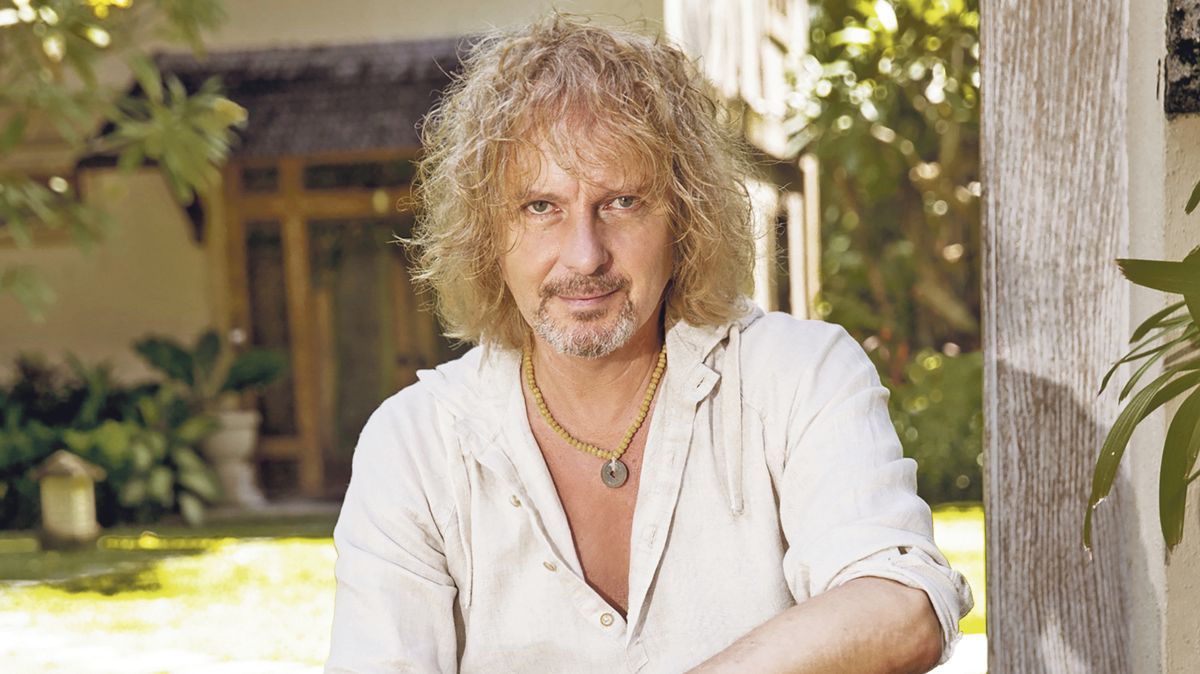
Peter Nagy: Moje primadónské období a ztráta soudnosti
For over four decades, Peter Nagy has remained a fixture of the Czechoslovak music scene. Known for hits like “Láska je tu s nami” and “Poďme sa zachrániť,” the singer and songwriter reflects on a career defined by artistic evolution, the challenges of fame, and the transition from a seasonal idol to a respected musician.
The Evolution of an Artist
Nagy’s journey began in Prešov, where his early interest in music was shaped by translating American artists such as Bob Dylan and The Beatles, as well as reading the poetry of Josef Kainar and Josef Šimon. His academic background in social psychology at Prešov University provided a foundation for his existential approach to songwriting. He emphasizes that for him, lyrics are the “mouth of a song” that must captivate the listener immediately, avoiding clichés that fail to provoke curiosity.
The name of his band, Indigo, carries a personal history. It was named after a mathematics professor from his gymnasium days who wore a blue work coat and with whom Nagy had a strained relationship. Choosing a name that “promised nothing” allowed the group the freedom to explore different musical directions as their career progressed.
Navigating Fame and Identity
During the 1980s, Nagy became a major star, a phenomenon dubbed “nagymánia.” His extravagant style, influenced by western bands like Depeche Mode and Duran Duran, often drew the attention of television censors, who would require him to remove earrings or style his hair differently before broadcasts. Despite the success, Nagy admits to experiencing a “prima donna” period where he surrounded himself with sycophants and lost his sense of perspective.
The transition away from being a “fashionable product” was a conscious effort. With the help of producer Julo Kinček, Nagy pivoted toward more serious, acoustic-driven work, such as the program “Slovník čistých slov.” This allowed him to move beyond the role of a seasonal idol and reclaim his identity as a musician who valued artistic integrity over commercial trends.
Looking Forward
While Nagy continues to perform, he has shifted his focus toward a more balanced life. He expresses disappointment in the current lack of metaphors in songwriting and the prevalence of arrogance in society. He intends to continue performing, though at a reduced pace, preferring the quiet of his garden to the fast-paced lifestyle of his earlier years. Future developments in his career will likely continue to follow his preference for selective, meaningful projects rather than constant touring.
Frequently Asked Questions
How did Peter Nagy approach his transition from pop idol to a more serious artist?
With the guidance of his producer Julo Kinček, Nagy moved toward acoustic performances in intimate theater settings, such as his work with “Slovník čistých slov,” to prove his depth as a songwriter and move away from his image as a seasonal pop product.
What was the impact of the division of Czechoslovakia on his career?
The political separation caused a significant loss of market access, as his music stopped being broadcast in Czech radio, a situation that took years to recover from as nostalgia for his music eventually helped bridge the gap.
What is Peter Nagy’s philosophy regarding his photography?
He views photography as a way to capture beauty without objectification. He shoots exclusively in black and white, aiming to portray women in a way that feels empowering rather than submissive, often using props like klobouky (hats) to add a sense of mystery.
What legacy do you believe is most important for a musician to leave behind after forty years in the industry?