

Philippines in for struggle with China on territory: defense secretary
The South China Sea Stand-off: A New Era of Maritime Geopolitics
The waters of the South China Sea have become the world’s most volatile geopolitical chessboard. With the Philippines and China locked in an increasingly tense maritime dispute, the implications extend far beyond regional territorial claims. As nations scramble to secure their Exclusive Economic Zones (EEZ), the struggle for resource sovereignty is evolving into a long-term strategic reality.

Philippine Secretary of National Defense Gilberto Teodoro Jr. Recently underscored the severity of the situation, labeling China’s behavior as “unabated” and “unrepentant.” For observers of global trade and security, this isn’t just a border dispute—it is a bellwether for how international law will be enforced in the 21st century.
The Stakes: Resources, Survival, and Sovereignty
Why is this specific region so critical? For the Philippines, a 7,600-island archipelago, the EEZ is more than just a line on a map. It is a lifeline. With a rapidly growing population and increasing vulnerability to climate change, the nation views its maritime territory as essential for food security and future energy exploration.
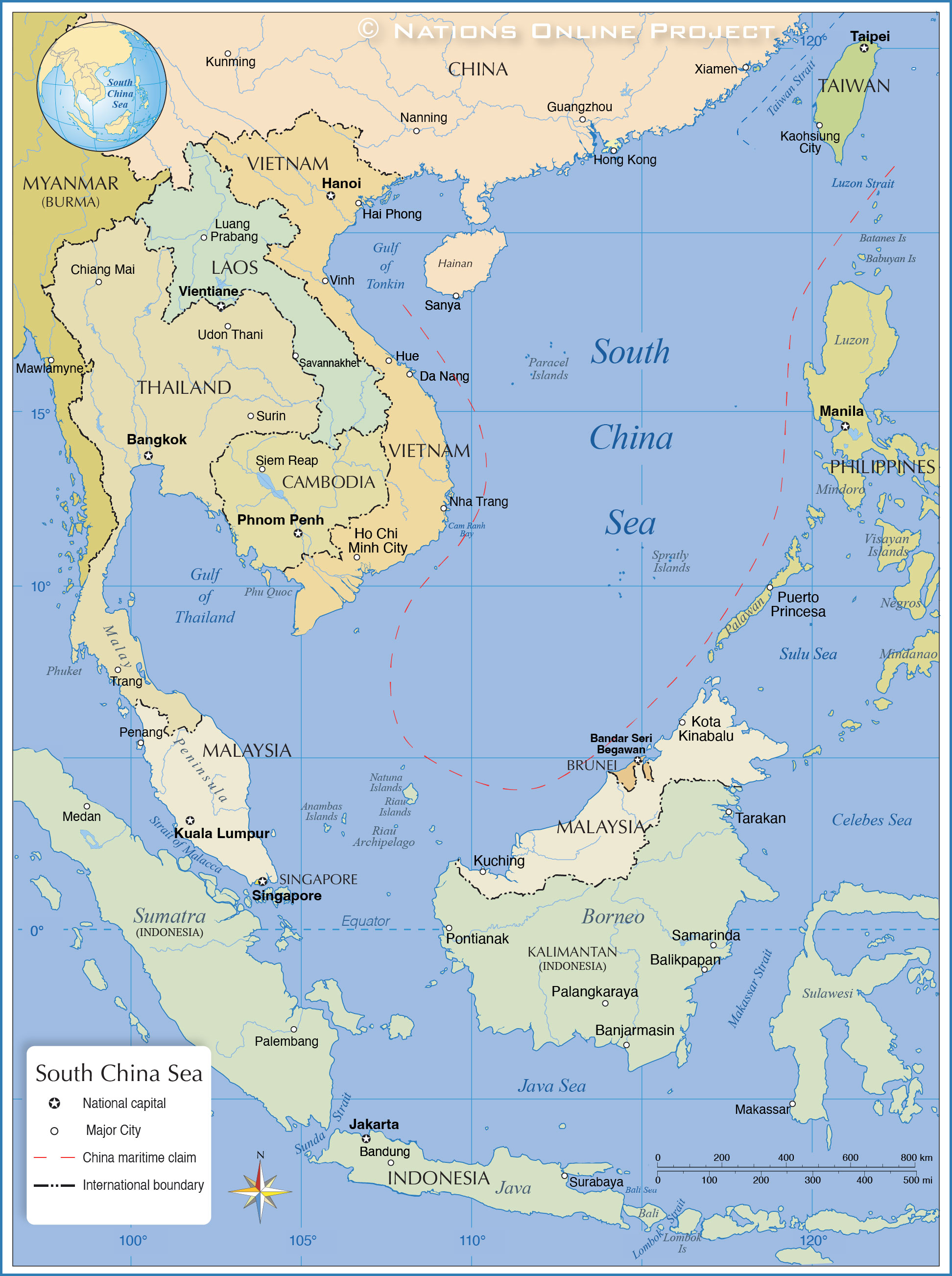
China, conversely, maintains its “nine-dash line” claim, which covers the vast majority of the sea. By constructing artificial islands and militarizing shoals, Beijing is effectively changing the status quo on the ground—or, more accurately, on the water.
The Shift Toward “Long-Term Struggle”
Diplomatic efforts, including the landmark 2016 Permanent Court of Arbitration ruling, have largely failed to curb construction activities. Experts suggest that we are entering a phase of “gray-zone warfare”—a strategy where nations use non-military tactics, such as coast guard intimidation and fishing militia deployments, to assert control without triggering a full-scale armed conflict.
What Success Looks Like in Modern Maritime Diplomacy
When asked about the path forward, defense officials emphasize that “success” is no longer about immediate resolution. Instead, it is about containment. Stopping further advancement and preventing the transformation of disputed reefs into permanent military outposts is the primary objective.

Moving forward, One can expect three major trends:
- Multilateral Alliances: The Philippines is increasingly pivoting toward defense partnerships with the U.S., Japan, and Australia to create a collective deterrent.
- Transparency Initiatives: Increased use of “assertive transparency,” where governments release footage of maritime encounters to win the battle of public opinion.
- Climate-Security Nexus: Resources in the sea will become a focal point for climate adaptation strategies, making control of these waters a domestic policy priority rather than just a foreign policy one.
Frequently Asked Questions
Q: Why is the South China Sea so important to the Philippines?
A: The Philippines relies on these waters for significant portions of its fish supply and potential oil and gas reserves, which are vital for a growing economy and climate resilience.
Q: What is the “nine-dash line”?
A: It is a geographical demarcation used by China to claim historical rights over the majority of the South China Sea, a claim that was largely invalidated by the 2016 UN-backed arbitration ruling.
Q: Can international law solve this dispute?
A: While international law provides the legal framework, enforcement remains a challenge. The current trend suggests that while law provides the moral high ground, physical presence and strategic alliances are the primary tools for maintaining sovereignty.
What do you think is the best path forward for stability in the Pacific? Share your thoughts in the comments below or subscribe to our weekly Geopolitics Newsletter for deep-dive analysis delivered to your inbox.