

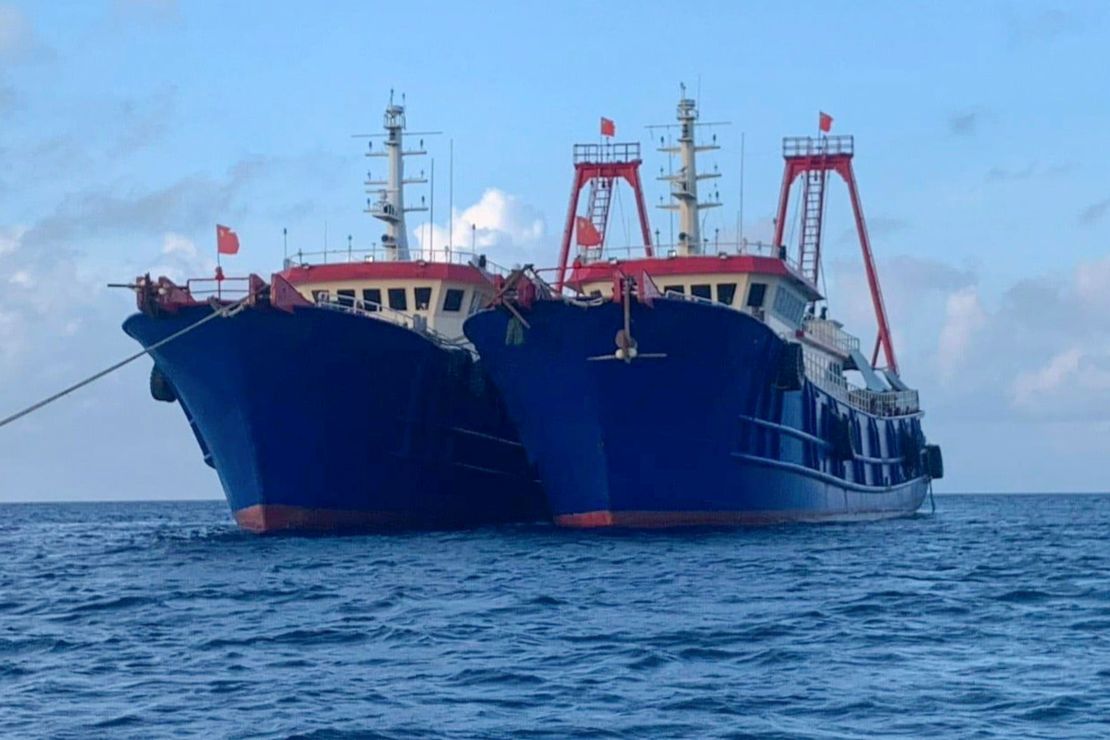
Philippines probes possible new structure at disputed Scarborough Shoal
The discovery of a mysterious new structure on Scarborough Shoal isn’t just a local dispute over a few rocks in the ocean; it is a symptom of a much larger, more complex geopolitical chess game. When a “raw report” of a new buoy or a building emerges in the West Philippine Sea, it signals a shift in how modern territorial disputes are fought.
We are no longer in an era of sudden invasions. Instead, we are witnessing the rise of “salami slicing”—a strategy where a power makes small, incremental changes to the status quo that are too minor to trigger a war, but which, over time, create a new reality on the ground (or in the water).
The Rise of ‘Grey Zone’ Tactics in Maritime Disputes
The situation at Scarborough Shoal is a textbook example of Grey Zone warfare. This refers to activities that fall between the traditional binary of “peace” and “war.” By deploying maritime militias—fishing vessels that act as paramilitary forces—states can assert control without deploying a formal navy, which would be seen as an act of aggression.

Looking ahead, You can expect these tactics to evolve. We will likely see more “civilian” infrastructure—such as research stations or weather buoys—being used as placeholders for permanent military installations. This allows a claimant to say they are contributing to “scientific research” while effectively establishing a permanent presence.
The ‘Transparency Revolution’: Satellites and Open-Source Intelligence
One of the most significant trends shifting the balance of power is the democratization of surveillance. In the past, only superpowers with classified satellites knew what was happening on remote shoals. Today, organizations like Sealight and other commercial satellite providers offer high-resolution imagery to the public in near real-time.
This “transparency strategy” is becoming a primary weapon for smaller nations. By publicizing images of new structures or aggressive maneuvers immediately, countries can mobilize international condemnation and diplomatic pressure before a “fait accompli” is established.
How AI is changing the game
The next step is the integration of AI with maritime data. We are moving toward a future where algorithms can automatically detect “dark vessels” (ships that turn off their AIS transponders) and alert governments to unusual patterns of activity, making it nearly impossible to build structures in secret.
Shifting Alliances and the ‘Minilateral’ Approach
The traditional reliance on large, slow-moving organizations like ASEAN is being supplemented by “minilaterals”—small, agile groups of countries with shared interests. We are seeing a surge in security pacts between the Philippines, the United States, Japan, and Australia.
Future trends suggest a move toward “integrated deterrence.” This doesn’t just mean more ships; it means shared intelligence, joint patrols, and economic partnerships that make the cost of aggression too high for any single actor to bear. For instance, the strengthening of the Philippine-US Mutual defence Treaty serves as a critical psychological deterrent in the region.
The Economic Battle for Blue Resources
While the headlines focus on sovereignty and missiles, the underlying driver is often economic. Scarborough Shoal is a prime fishing ground. As global fish stocks dwindle, the control of these “protein factories” becomes a matter of national food security.
Beyond fishing, the potential for seabed mining and oil and gas exploration makes these waters invaluable. The trend moving forward will be a clash between exclusive economic zones (EEZ) and historical claims, with the winner gaining access to the energy resources of the future.
Frequently Asked Questions (FAQ)
What is the West Philippine Sea?
It is the term used by the Philippines to refer to the parts of the South China Sea that fall within its Exclusive Economic Zone (EEZ) as defined by international law.
Why is Scarborough Shoal so important?
Strategically, it provides a vantage point for monitoring naval movements. Economically, it is one of the richest fishing grounds in the region.
What happens if a new structure is confirmed?
It typically leads to diplomatic protests and increased surveillance. While unlikely to trigger a full-scale war, it increases the risk of accidental clashes between coast guards.
Can the 2016 Arbitral Ruling be enforced?
The ruling is legally binding, but there is no “international police force” to enforce it. Enforcement relies on diplomatic pressure, economic sanctions, and the collective will of the international community.
Join the Conversation
Do you think transparency and satellite imagery are enough to deter territorial expansion, or do we need stronger military alliances to maintain peace in the region?
Share your thoughts in the comments below or subscribe to our geopolitical newsletter for deep-dive analysis.