
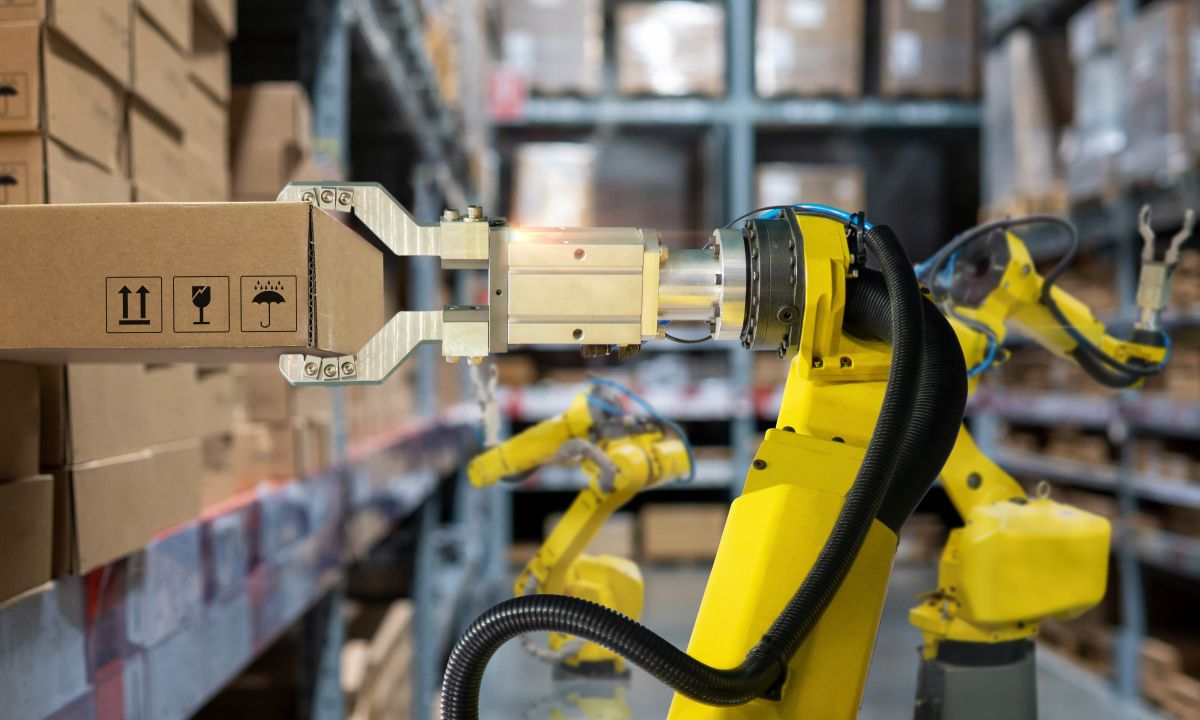
Physical AI Steps in as Global Workforce Shrinks
U.S. manufacturers are projected to leave 2.1 million jobs unfilled by 2030, a labor gap the Manufacturing Institute estimates could cost the economy $1 trillion in that year alone. To address this shortage, companies are deploying humanoid robots and AI-powered autonomous equipment to maintain operations. This shift is driven by a global talent crisis, with ManpowerGroup’s 2026 Talent Shortage Survey reporting that 72% of employers worldwide struggle to find necessary talent.
Why is the industrial workforce shrinking?
Demographic shifts are driving the vacancy rates. An estimated 30.4 million baby boomers will reach the traditional retirement age of 65 by 2030. According to provided data, the share of the U.S. population over age 65 grew from 12.4% in 2007 to 17.9% in 2024, and is projected to hit 21.2% by 2035.
The shortage extends beyond manufacturing. The Associated Builders and Contractors projected earlier this year that the construction industry required 439,000 additional workers in 2025 to keep pace with demand.
How are humanoid robots filling these shifts?
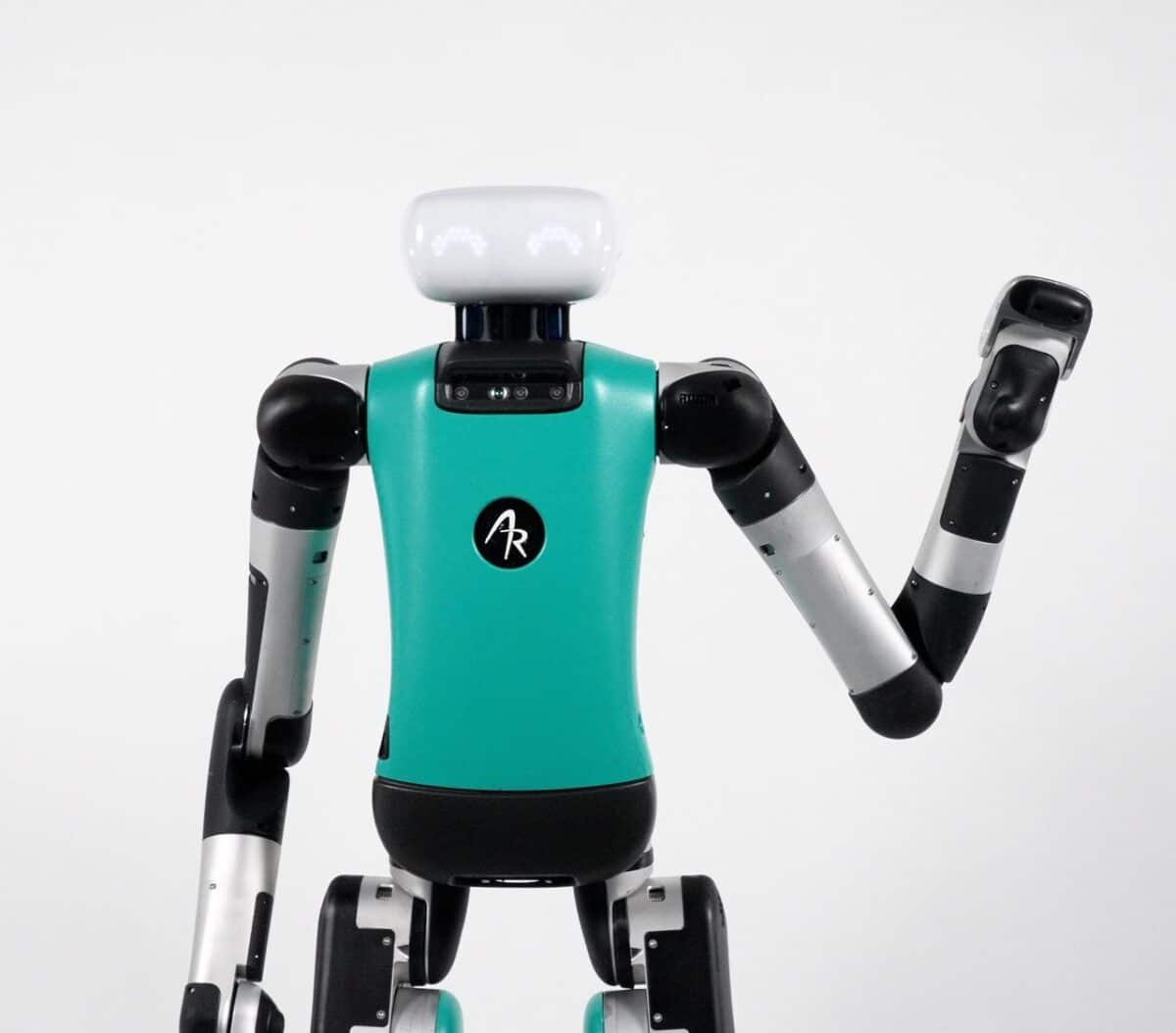
Companies are integrating “physical AI” into active assembly lines to ensure continuity. Figure AI’s Figure 02 robots completed 10-hour shifts at BMW’s Spartanburg, S.C. plant over an 11-month period, processing more than 90,000 sheet-metal cycles. BMW has since expanded this program to its facility in Leipzig, Germany.

Agility Robotics has deployed robots across multiple Fortune 500 partners, including Amazon, the Schaeffler Group, and logistics provider GXO. Nvidia announced in October that it is providing Omniverse technologies to Agility Robotics, Figure, and Skild AI to build autonomous collaborative robots and robotic factories.
What is the global market outlook for physical AI?
Japan is aggressively pursuing a lead in the sector. TechCrunch reported that Japan’s population declined for a 14th straight year in 2024, with the working-age population projected to shrink by nearly 15 million over the next two decades. In March, Japan’s Ministry of Economy, Trade and Industry announced a goal to capture 30% of the global physical AI market by 2040, committing roughly $6.3 billion to industrial deployment and AI capabilities.
Financial projections suggest rapid market growth. Goldman Sachs projected in February 2024 that the humanoid robot market will reach $38 billion by 2035, a significant increase from its previous $6 billion estimate. This growth is supported by a 40% drop in manufacturing costs between 2023 and 2024.
Morgan Stanley estimated in May 2025 that the broader humanoid market, including services and supply chains, could reach $5 trillion by 2050. Nvidia CEO Jensen Huang stated at CES 2026 in January that “the ChatGPT moment for physical AI is here.”
What may happen next?
As manufacturing costs continue to fall, more mid-sized firms may adopt autonomous equipment to mitigate the risk of the projected $1 trillion economic loss. The expansion of programs like BMW’s suggests that successful U.S. pilots are likely to be scaled across international facilities.

Japan’s commitment of $6.3 billion could accelerate a global race for market share, potentially forcing other nations to increase public funding for robotics integration to maintain industrial competitiveness.
Frequently Asked Questions
How many manufacturing jobs are expected to remain unfilled by 2030?
U.S. manufacturers are projected to have 2.1 million unfilled jobs by 2030.
What is the projected market value of humanoid robots?
Goldman Sachs projects the market will reach $38 billion by 2035, while Morgan Stanley estimates the broader market, including services, could reach $5 trillion by 2050.
Why is Japan investing heavily in physical AI?
Japan’s working-age population is projected to shrink by nearly 15 million over the next 20 years, making physical AI a necessary tool for keeping infrastructure and factories running.
How will the integration of humanoid robots change the nature of industrial work by 2030?