

Poland’s Always Ready Program: Training Civilians Against Russian Threats
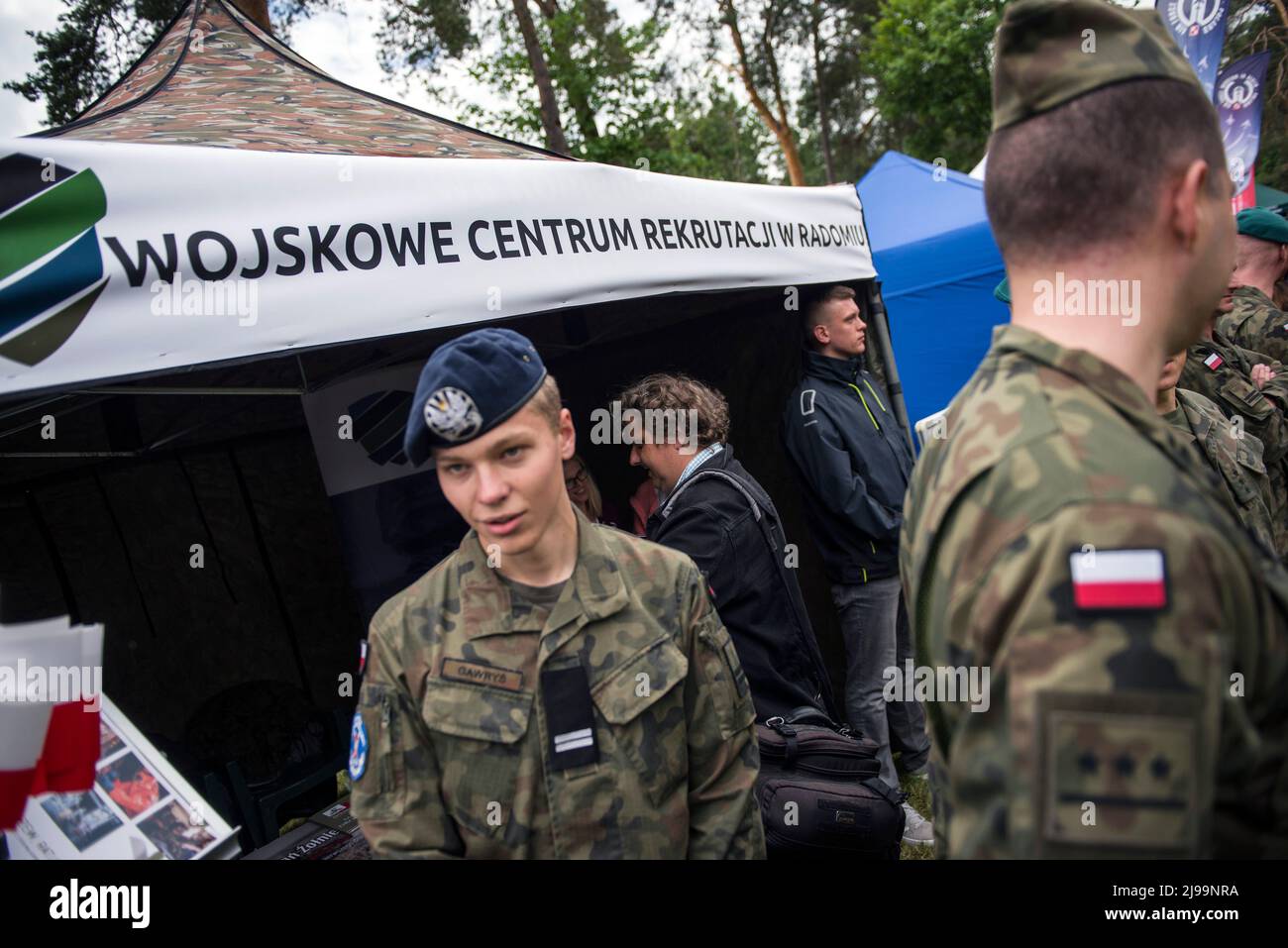
Poland is accelerating its national defense strategy by integrating civilians into military preparedness programs as the country faces ongoing hybrid threats from Russia. According to reports from France 24, the Polish government has allocated nearly 5 percent of its GDP toward defense spending, the highest ratio among NATO members. This shift includes the implementation of the “Always Ready” initiative, a series of one-day training sessions designed to equip ordinary citizens with basic combat and survival skills in the event of an armed conflict.
Why is Poland increasing its defense budget and civil training?
Poland’s aggressive pivot toward total defense readiness is a direct response to its geographic proximity to Russia and the rising frequency of hybrid warfare. Government data indicates these attacks range from disinformation campaigns to border pressure. By dedicating 5 percent of its GDP to defense, Poland has surpassed the NATO-recommended 2 percent threshold, signaling a shift toward a “porcupine strategy”—a military doctrine designed to make a country too costly for an adversary to invade. The “Always Ready” program acts as a force multiplier, ensuring that if conventional military lines are tested, the civilian population possesses the tactical knowledge to support national security efforts.

How do citizen-soldier programs impact regional stability?
The success of voluntary training programs suggests a growing societal consensus regarding the necessity of national defense. France 24 observed that these sessions are seeing high participation rates, as citizens express a tangible desire to understand how to react during a crisis. Unlike professional army deployments, these programs focus on individual survivability, first aid, and basic tactical awareness. This approach mirrors historical models of “total defense” used by countries like Finland and Switzerland, which maintain high levels of civilian readiness to deter aggression through the promise of a prolonged, decentralized resistance.
What are the future trends in European civil defense?
The Polish model is likely to influence other Eastern European nations currently re-evaluating their security postures. Analysts anticipate that NATO’s eastern flank will shift toward a hybrid model where professional forces are supported by a trained reserve of civilian volunteers. This trend represents a departure from the post-Cold War era of professionalized, smaller militaries. As regional tensions persist, governments are expected to prioritize “resilience training” for the public, including infrastructure hardening and cyber-defense literacy, alongside traditional physical training exercises.
Frequently Asked Questions
- Who can participate in the “Always Ready” training? The program is open to Polish citizens who meet basic health and age requirements as defined by the Ministry of National Defence.
- Does this training replace professional military service? No, these sessions are one-day introductory courses aimed at basic preparedness, not professional military training.
- Why is Poland spending 5% of its GDP on defense? According to government policy statements, this spending is intended to modernize equipment and expand the size of the Polish Armed Forces to deter potential Russian aggression.
Have you considered how your own community would respond to a national security crisis? Share your thoughts in the comments below or subscribe to our newsletter for deep dives into European defense policy.