

Political risk’: Fresh Iran-U.S. attacks complicate ceasefire negotiations – National
The future of US-Iran relations currently fluctuates between Donald Trump’s optimistic claims of a rapid deal and a volatile reality of missile exchanges in the Gulf. According to reports from Global News and Reuters, recent strikes on radar sites in the Strait of Hormuz and drone attacks on Bahrain and Kuwait suggest that military escalation remains a primary tool, even as diplomatic talks continue behind the scenes.
It’s a jarring contrast. On one hand, you have the White House suggesting a deal could be reached within days. On the other, you have ballistic missiles flying over the Persian Gulf. This gap between rhetoric and reality is where the real risk lives for global markets and regional stability.
Why is the Strait of Hormuz a global economic trigger?
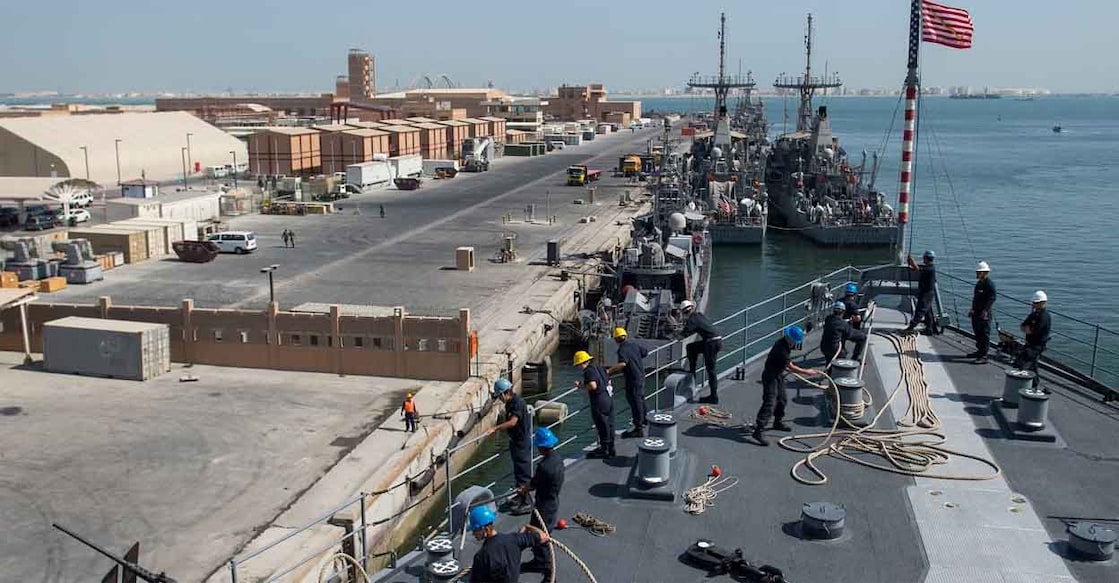
The Strait of Hormuz is the world’s most important oil chokepoint. When US Central Command strikes Iranian surveillance sites or Iran targets the US Navy’s fifth fleet in Bahrain, the market reacts instantly. Any perceived threat to maritime traffic in this narrow waterway spikes energy prices.

For consumers in Canada and the United States, this isn’t just a geopolitical chess match; it’s a gas price hike. Energy analysts have warned that continued instability here puts direct upward pressure on global oil prices, fueling inflation across North America.
What is blocking a permanent ceasefire?
The primary sticking point is Iran’s nuclear program. According to Global News Washington correspondent Reggie Cecchini, negotiations are effectively at a standstill because the two sides can’t agree on what’s even on the table.

Donald Trump has been clear: any agreement must stop Iran from obtaining a nuclear weapon. However, Iranian officials have signaled that nuclear issues aren’t part of the current discussions. This creates a diplomatic deadlock where both sides claim progress, but neither is budging on the core issue.
We’re seeing a “dual-track” strategy. Trump tells reporters the situation is “going quite well,” yet he simultaneously warns that the resolution will come either through a “piece of paper” or “the very tough way.” This binary approach leaves little room for the nuanced diplomacy usually required for nuclear disarmament.
How do drone and missile exchanges change the risk profile?
The recent launch of seven ballistic missiles and drones toward Bahrain and Kuwait marks a shift in intensity. While Reuters reports no American casualties so far, the targeting of the Ali Al Salem air base in Kuwait shows Iran’s willingness to hit high-value US assets.
The US response—striking Iranian radar and surveillance facilities—is designed to degrade Iran’s ability to coordinate future attacks. This “tit-for-tat” cycle increases the chance of a miscalculation. One stray missile or an over-aggressive response could turn a controlled escalation into a full-scale conflict.
Comparing the Narratives: Trump vs. Tehran
The disconnect in framing this conflict is stark. If you listen to the US administration, the conflict is “wrapping up quickly.” If you look at the messaging from Tehran, the talks are frozen. This suggests that the “deal” Trump is referencing may be focused on immediate ceasefire terms rather than the long-term nuclear restrictions the US desires.
For more on how geopolitical shifts affect your wallet, see our guide on how global conflict drives local inflation or check the latest updates from Reuters for real-time casualty reports.
Frequently Asked Questions
What happened in the recent US-Iran exchange?
Iran launched seven missiles and drones toward Bahrain and Kuwait. The US intercepted these and retaliated by striking Iranian radar and surveillance sites in the Strait of Hormuz, according to US Central Command.
Will this lead to higher gas prices?
Likely. Instability in the Strait of Hormuz typically leads to higher oil prices, which increases costs for consumers in Canada and the US.
Is a ceasefire likely?
While President Trump suggests a deal is close, diplomatic reports indicate a standstill over Iran’s nuclear program, making a comprehensive agreement difficult.
Stay Ahead of the Curve
Do you think a diplomatic deal is possible, or is military escalation inevitable? Let us know in the comments below or subscribe to our newsletter for deep-dive analysis on global security.