

Pope Leo tells 1.2 million crowd in Madrid that God stands with the poor
More than 1.2 million people gathered at Madrid’s Plaza de Cibeles on June 7, 2026, to attend a Mass led by Pope Leo XIV. The event, a centerpiece of his week-long apostolic journey, highlighted the Vatican’s growing focus on the intersection of faith, migration, and social welfare in European urban centers.
Why Is the Vatican Prioritizing Migration in Europe?
Pope Leo XIV’s visit to Spain marks a strategic shift in the Vatican’s diplomatic outreach, prioritizing direct engagement with migrant populations over traditional state-only functions. By choosing Madrid as his first EU destination outside Italy, the Pope is signaling that the Catholic Church sees the migration crisis as a defining moral test for modern governance.
According to Vatican organizers, the focus on “the poor and the forsaken” is not merely rhetorical. It aligns with the Pope’s broader agenda to influence policy in host nations, urging leaders to reject political polarization in favor of inclusive, human-centric social policies. This approach mirrors his predecessor’s emphasis on global social justice but adds a specific focus on the integration of displaced people within the European labor market.
How Does This Visit Impact Spanish Social Policy?
The reception of the Pope in Madrid serves as a barometer for the current social climate in Spain. As noted by the city’s mayor during the presentation of the key to the city, there is an ongoing tension between maintaining an “inclusive, welcoming” city and managing the logistical realities of a rising migrant population.
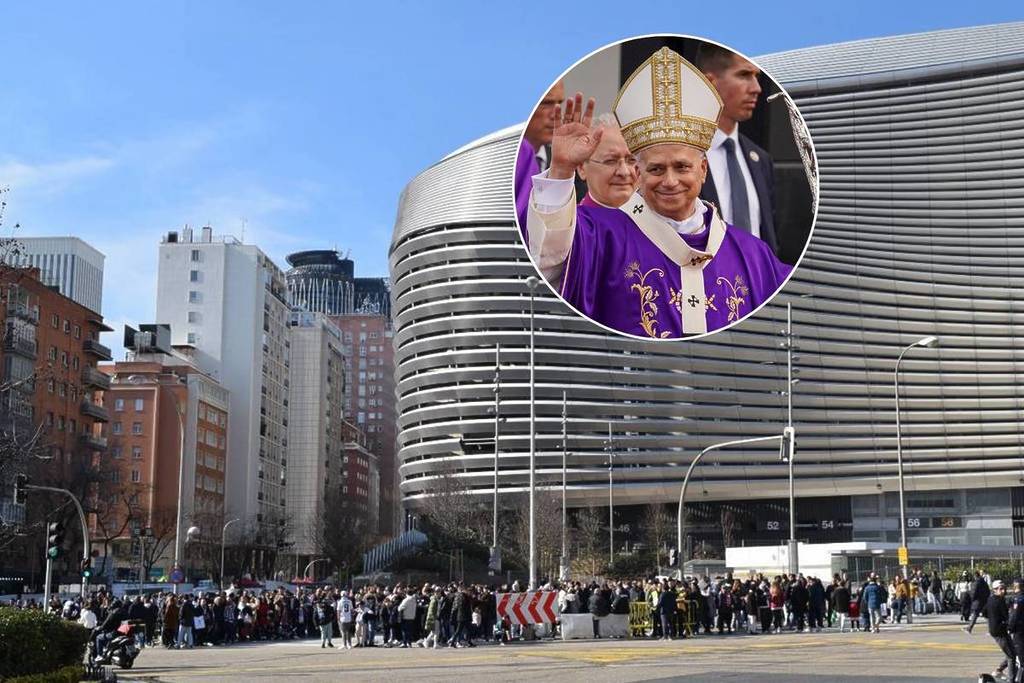
Observers point out that the Pope’s public messaging—specifically his call for social life to be “inspired by genuine human values”—acts as a soft-power push against populist political movements. While the government of Spain manages the economic and administrative side of migration, the Church is positioning itself as the primary advocate for the human rights of those arriving from West Africa and beyond.
What Happens Next in the Pope’s European Tour?
The Pope’s schedule continues with a transit from Madrid to Barcelona and the Canary Islands. This sequence is significant: by moving from the capital to the periphery, the Vatican is attempting to connect the concerns of urban youth—who participated in a 600,000-person vigil—with the immediate, life-or-death realities of migrants at the borders.
Historically, papal visits to Spain have been used to reinforce local Catholic identity. However, this trip is distinct because it elevates the migrant experience to the same level of importance as liturgical events. For residents like 72-year-old Andrea Margarita, a recent arrival from Peru, the Pope’s presence provides a rare moment of visibility in a foreign land. The long-term consequence of this visit will likely be a heightened pressure on Spanish political leaders to balance economic integration with the moral mandates set forth from the pulpit.
Frequently Asked Questions
What was the main purpose of Pope Leo XIV’s visit to Madrid?
The visit aimed to connect with the faithful, engage with migrant and homeless populations, and encourage inclusive social values among European leaders.

How many people attended the outdoor Mass at Plaza de Cibeles?
Approximately 1.2 million people attended the event, according to estimates provided by the Vatican and local organizers.
Which regions will the Pope visit after Madrid?
Following his time in Madrid, the Pope is scheduled to visit Barcelona and the Canary Islands to continue his dialogue on migration and social welfare.
How does the Church influence migration policy?
The Church uses moral advocacy, high-profile public visits, and direct support for migrants to influence public opinion and pressure government officials to adopt more inclusive policies.
What do you think about the intersection of religious diplomacy and modern migration policy? Join the conversation by leaving a comment below or subscribe to our newsletter for more updates on global events.