
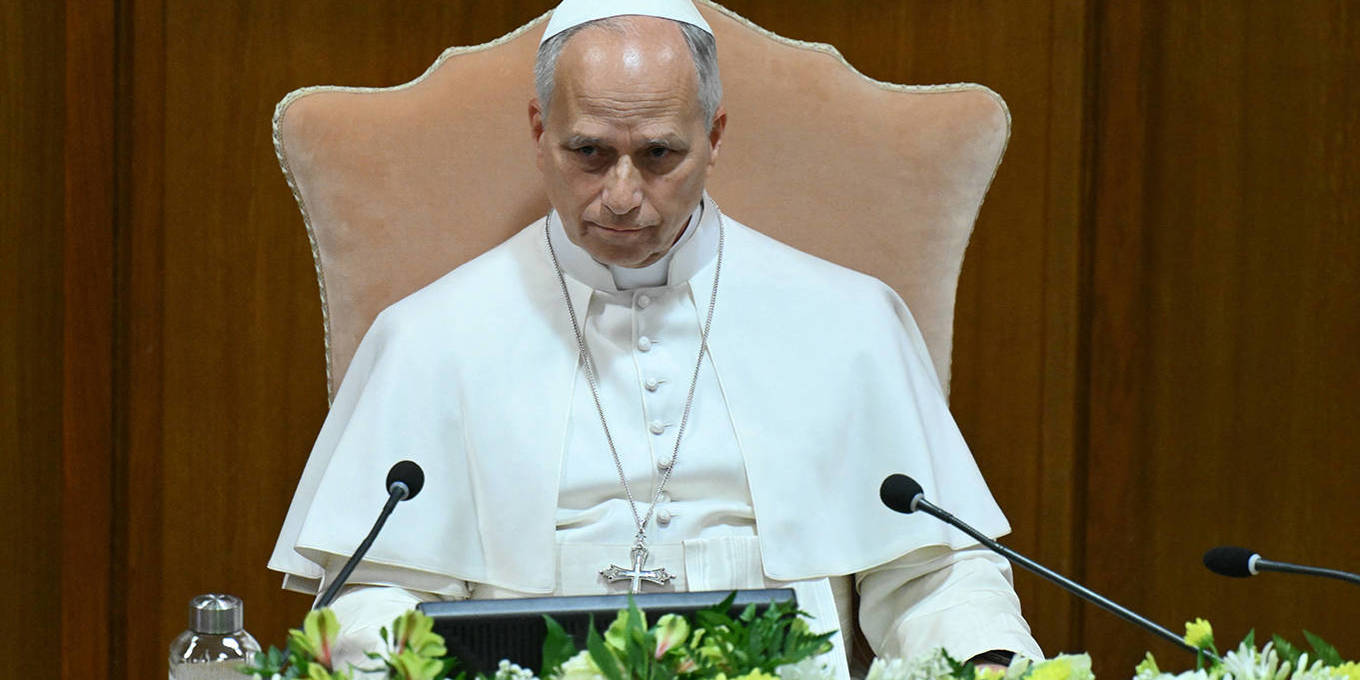
Pope Leo XIV Defends Humanity Against Posthumanism
In a significant ideological shift, Pope Leo XIV has issued his first encyclical, centering on a robust defence of the human condition in the face of rapid technological advancement. The document serves as a formal rejection of posthumanism, marking a clear boundary between human existence and the capabilities of modern machinery.
The Core Argument Against Posthumanism
The encyclical posits that there is an essential, categorical, and insurmountable difference between humans and machines. By emphasizing the inherent grandeur of humanity, the Pope is challenging the growing influence of posthumanist thought, which often seeks to blur the lines between biological life and artificial systems.
Significance for the Modern Era
This document acts as an exhortation to re-evaluate our relationship with technology. By labelling the differences between people and machines as “insurmountable,” the Pope is establishing a philosophical framework that may influence how institutions approach the integration of artificial intelligence into society.

Future Implications
As this encyclical gains traction, it is likely that global debates regarding the ethics of automation will become more polarized. Analysts expect that this stance may serve as a rallying point for those who advocate for stricter human-centric safeguards in technological development.
A possible next step involves a broader push for regulations that reinforce the unique status of the human person. If this perspective takes hold, we may see a shift in the corporate and scientific focus away from human-machine integration and toward technologies that strictly serve, rather than mimic or replace, human functions.
Frequently Asked Questions
What is the primary message of Pope Leo XIV’s first encyclical?
The encyclical celebrates the grandeur of humanity and asserts that there is an essential, categorical, and insurmountable difference between humans and machines.
Who is the intended audience for this document?
The document is an exhortation directed at both believers and non-believers.
What does the Pope’s stance suggest regarding posthumanism?
The Pope explicitly criticizes and rejects posthumanism, calling for a firm distinction between human life and machine capabilities.
How do you believe the assertion of an “insurmountable” difference between humans and machines will impact the development of future technology?