
Prediabetes: How to Detect It Early and Prevent Type 2 Diabetes
Prediabetes is a clinical condition characterized by blood glucose levels that are higher than normal but below the diagnostic threshold for type 2 diabetes. Affecting approximately one in three adults, this silent condition signals an increased risk for developing type 2 diabetes and cardiovascular disease, according to Dr. Marianela Aguirre Ackermann, vice president of the Sociedad Argentina de Nutrición. While the condition often presents without specific symptoms, early detection through biochemical analysis allows for lifestyle interventions that can significantly alter the disease’s progression.
Understanding the Diagnostic Criteria
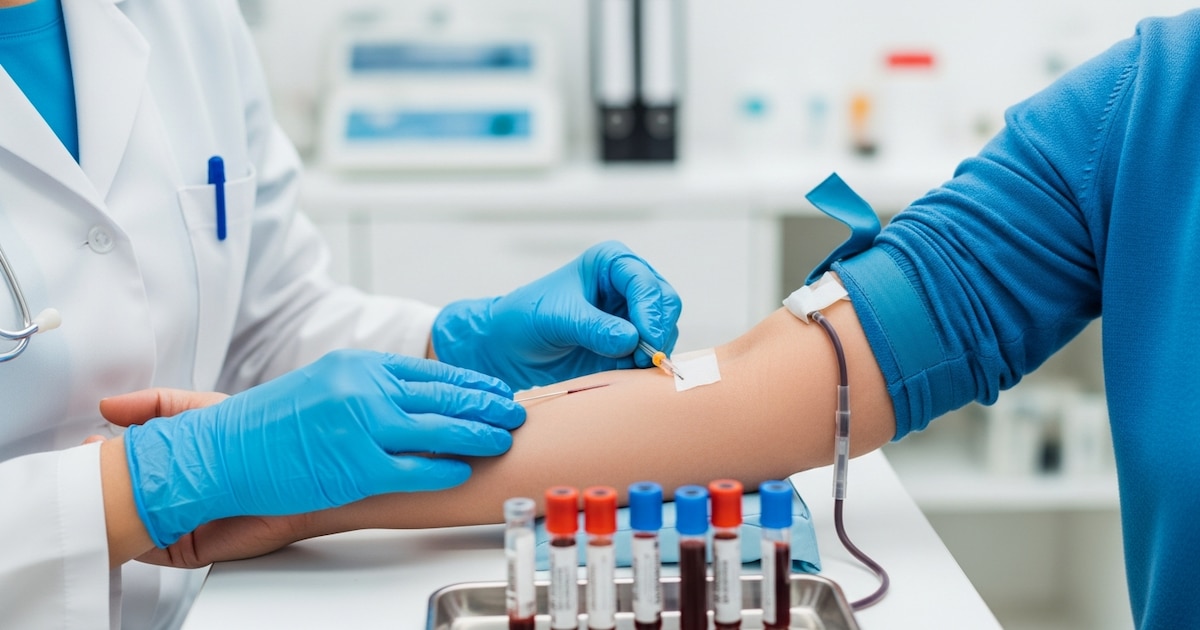
The diagnosis of prediabetes is determined exclusively through blood tests. Dr. Aguirre Ackermann notes that diagnostic markers include fasting blood glucose levels between 100 and 125 mg/dL, or a Hemoglobin A1c level between 5.7% and 6.4%. Alternatively, a glucose level of 140 to 199 mg/dL two hours after an oral glucose tolerance test confirms the condition.

Clinical standards for these thresholds can vary internationally. Dr. Mariano J. Taverna of the Hospital de Clínicas de la UBA explains that while the American Diabetes Association (ADA) sets the lower limit for impaired fasting glucose at 100 mg/dL, the World Health Organization (WHO) and the International Diabetes Federation maintain a threshold of 110 mg/dL. In 2023, the Sociedad Argentina de Nutrición updated its guidelines to align with the 100 mg/dL threshold used by the ADA.
The Sociedad Argentina de Nutrición maintained a diagnostic threshold of 110 mg/dL for fasting glucose for 17 years before updating the standard to 100 mg/dL in 2023 to harmonize with international criteria set by the American Diabetes Association.
Risk Factors and Clinical Screening
Prediabetes is often linked to excess body weight, particularly abdominal adiposity, and a sedentary lifestyle. Dr. Taverna states that about 70% of individuals with prediabetes eventually progress to type 2 diabetes, with an average annual conversion rate of approximately 7%. Because the condition does not typically cause noticeable symptoms, specialists recommend regular screening for high-risk groups.
Candidates for screening include adults who are overweight or obese, those with a family history of diabetes, individuals with hypertension, and those with a history of gestational diabetes or polycystic ovary syndrome. For adults without known risk factors, screening is recommended starting at age 35, with follow-up tests every three years if results are normal.
The emphasis on “biochemical diagnosis” underscores the challenge of managing a condition that remains invisible to the patient. By shifting the focus from symptom-based care to proactive, laboratory-based monitoring, clinicians can address metabolic resistance before it evolves into a chronic, systemic disease.
Treatment and Prevention Strategies
Effective management of prediabetes centers on lifestyle modifications that can reverse elevated glucose levels. According to Dr. Aguirre Ackermann, intensive interventions—including dietary changes, regular physical activity, and a 5% to 7% reduction in body weight—can reduce the risk of progressing to type 2 diabetes by 58% over three years. Experts recommend at least 150 minutes of moderate-intensity physical activity per week.
Nutritional approaches, such as the Mediterranean diet, are encouraged for their focus on whole foods like vegetables, legumes, and healthy fats while limiting ultra-processed items and sugary beverages. Additionally, Dr. Taverna notes that the medication metformin may be used as an adjunct to lifestyle changes, as it has been shown to reduce the risk of developing type 2 diabetes by approximately 25%. Looking ahead, patients who maintain these behavioral changes may successfully return their blood glucose levels to a normal range, though experts emphasize that continued annual monitoring remains necessary due to underlying biological predispositions.
Frequently Asked Questions
What are the main symptoms of prediabetes?
Prediabetes typically does not present with specific symptoms. Diagnosis relies entirely on biochemical laboratory tests, though physical signs such as increased waist circumference or acantosis nigricans—a darkening of the skin in folds—may alert clinicians to a risk.

Is it possible to reverse prediabetes?
Yes, regression to normal blood glucose levels is possible through lifestyle interventions. However, because biological predispositions often persist, individuals who have been diagnosed are advised to maintain annual medical follow-ups.
Why is prediabetes associated with cardiovascular risk?
The condition often coexists with other metabolic issues, such as hypertension, dyslipidemia, and abdominal obesity. These factors combined contribute to an increased risk of heart disease, stroke, and other cardiovascular complications even before a formal diagnosis of type 2 diabetes is made.
Have you discussed your metabolic health markers with your primary care provider during your last annual check-up?