
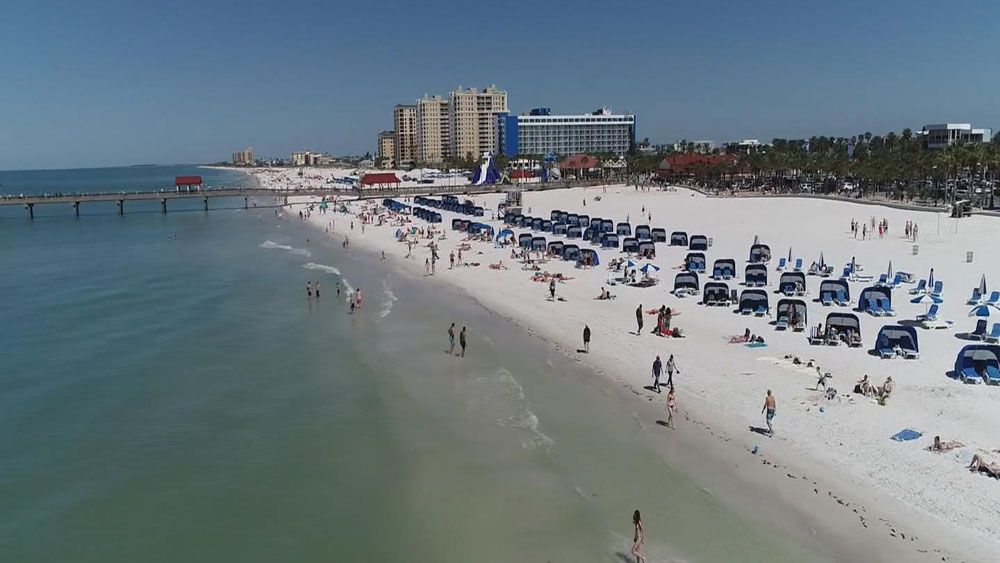
Pinellas County Tourism Hits Record Highs With Booming April Revenue
Pinellas County tourism reached a record high in April with $11.5 million in tourist development tax collections, a 14% increase over the previous year. According to Visit St. Pete-Clearwater, the region welcomed 4.7 million visitors during the February-to-April high season, generating more than $36 million in taxes and contributing to a $10 billion annual economic impact.
Why is tourism rebounding in Pinellas County after the hurricanes?
Visitors are returning to the region following the disruptions caused by Hurricanes Helene and Milton in 2024. Brian Lowack, president and CEO of Visit St. Pete-Clearwater, attributes this recovery to strategic messaging and the enduring appeal of “America’s best beaches.”
Lowack stated that current tourism numbers are outpacing 2023, which was previously the record year. This suggests that travelers have moved past concerns regarding storm damage. The rebound is evident at the property level; Craig Rothschild, owner of the Roth Hotel in Treasure Island, reported that April was a record-breaking month for his boutique establishment after it remained closed for months following Hurricane Helene.
How do tourist taxes lower costs for local residents?
Tourist development taxes directly offset the financial burden on Pinellas County homeowners. According to Visit St. Pete-Clearwater, these funds helped save local households nearly $2,000 in property taxes.

Lowack explained that when visitors stay in hotels and accommodations, those properties pay property taxes. These payments fund essential government services, projects, and programs that residents use daily. This creates a system where the tourism industry subsidizes public infrastructure, reducing the need for higher residential tax rates.
Where does the tourism revenue go?
Visit St. Pete-Clearwater identifies several key areas where tourism-generated revenue is reinvested:
- Beach Nourishment: Funding projects to restore sand and protect coastlines from erosion.
- Infrastructure: Improving local beaches to maintain their competitive status.
- Event Programming: Bringing more large-scale events to the area to drive off-season visits.
What are the future trends for the region’s hospitality industry?
The shift toward boutique experiences is becoming more prominent. The success of the Roth Hotel suggests that travelers are seeking smaller, curated accommodations over massive resorts. Rothschild noted that 2026 has already been a strong year for his small hotel, indicating a sustained appetite for personalized hospitality.
Another trend is the increasing focus on climate resilience. Because the region experienced a slowdown in early 2025 due to 2024’s storms, future growth depends on the ability of businesses to recover quickly. The integration of tourist tax revenue into beach nourishment is a direct response to the environmental threats posed by hurricanes.
Comparison: April Tourism Performance
| Metric | Previous April | Current April |
|---|---|---|
| Tax Collections | ~$10.08 Million | $11.5 Million |
| Growth Rate | N/A | +14% |
Frequently Asked Questions
What is the economic impact of tourism in Pinellas County?
According to Brian Lowack, tourism generates more than $10 billion in annual economic impact for the region.

When is the high season for visitors in St. Pete-Clearwater?
Visit St. Pete-Clearwater defines the high season as running from February through April.
How many people visited Pinellas County this spring?
The destination welcomed 4.7 million visitors between February and April.
What do you think about the link between tourism and local taxes? Does your city use tourist taxes to lower resident costs? Let us know in the comments or subscribe to our newsletter for more regional economic updates.