
President Trump’s Executive Actions on U.S. Global Health: A Timeline
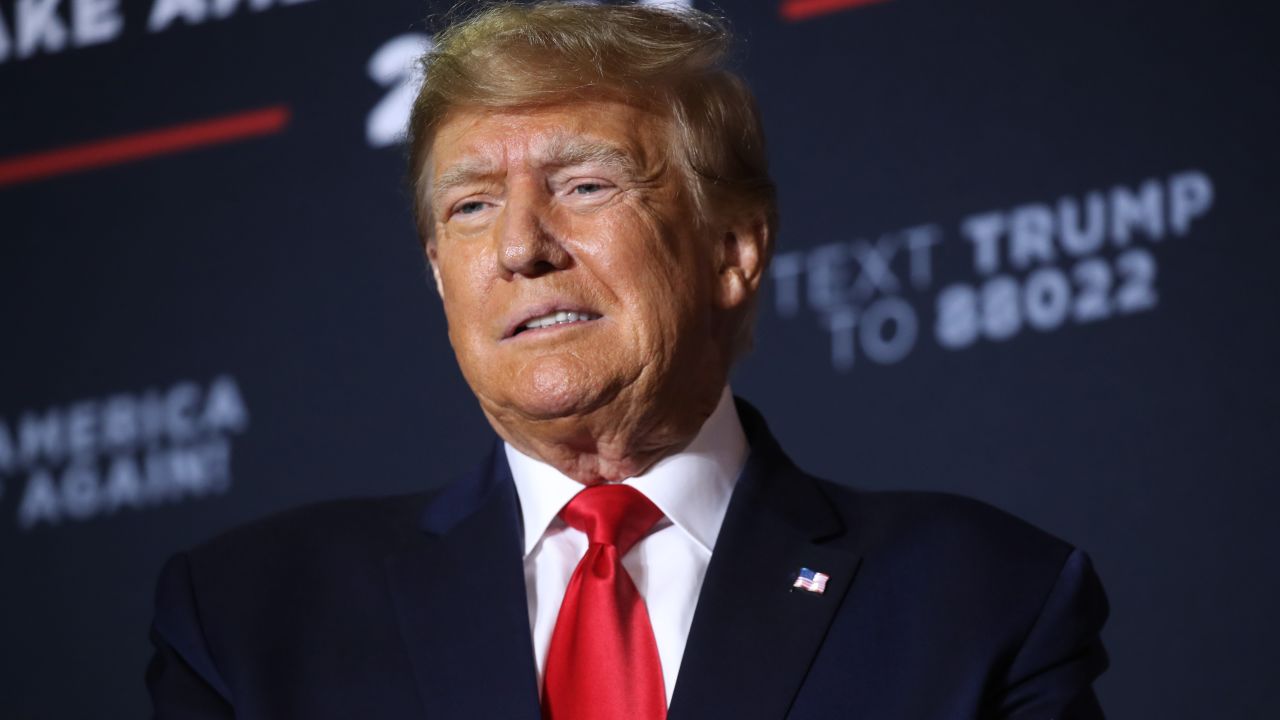
President Trump has initiated several executive actions affecting U.S. global health efforts starting on the first day of his second term. These measures include directives to freeze all U.S. foreign aid, a proposed dissolution of the U.S. Agency for International Development (USAID), and a reorganization of the Department of State. These actions represent a significant shift in the operational framework of international health programming.
Impact on Global Health Infrastructure
The administration’s focus on freezing foreign aid and dissolving USAID directly targets the entities responsible for executing U.S. health initiatives abroad. According to the KFF Overview of President Trump’s Executive Actions on Global Health, these actions are part of a broader administrative strategy to restructure how the United States interacts with international aid recipients. Because USAID manages most global health programs, moving to dissolve the agency could fundamentally alter the delivery of medical and developmental assistance.
What Happens Next
The situation remains fluid as the administration moves forward with its stated policy goals. Observers anticipate that the timeline of these actions will be updated as counter-actions and further administrative developments emerge. It is possible that the implementation of these directives will face legal or bureaucratic challenges, which may influence the pace at which USAID is dissolved or foreign aid is frozen.
Frequently Asked Questions
Which agency is primarily responsible for U.S. global health programs?
The U.S. Agency for International Development (USAID) is responsible for implementing most U.S. global health programs.
What specific actions has the administration taken regarding foreign aid?
The administration has initiated efforts to freeze all U.S. foreign aid and proposes to dissolve USAID while reorganizing the Department of State.
When did these policy changes begin?
The executive actions impacting U.S. global health efforts began on the first day of President Trump’s second term in office.
How might these structural changes affect the long-term stability of international health programs currently supported by the United States?