
Project Sundown: Details Revealed for Wizards of the Coast’s Cancelled Horror Game
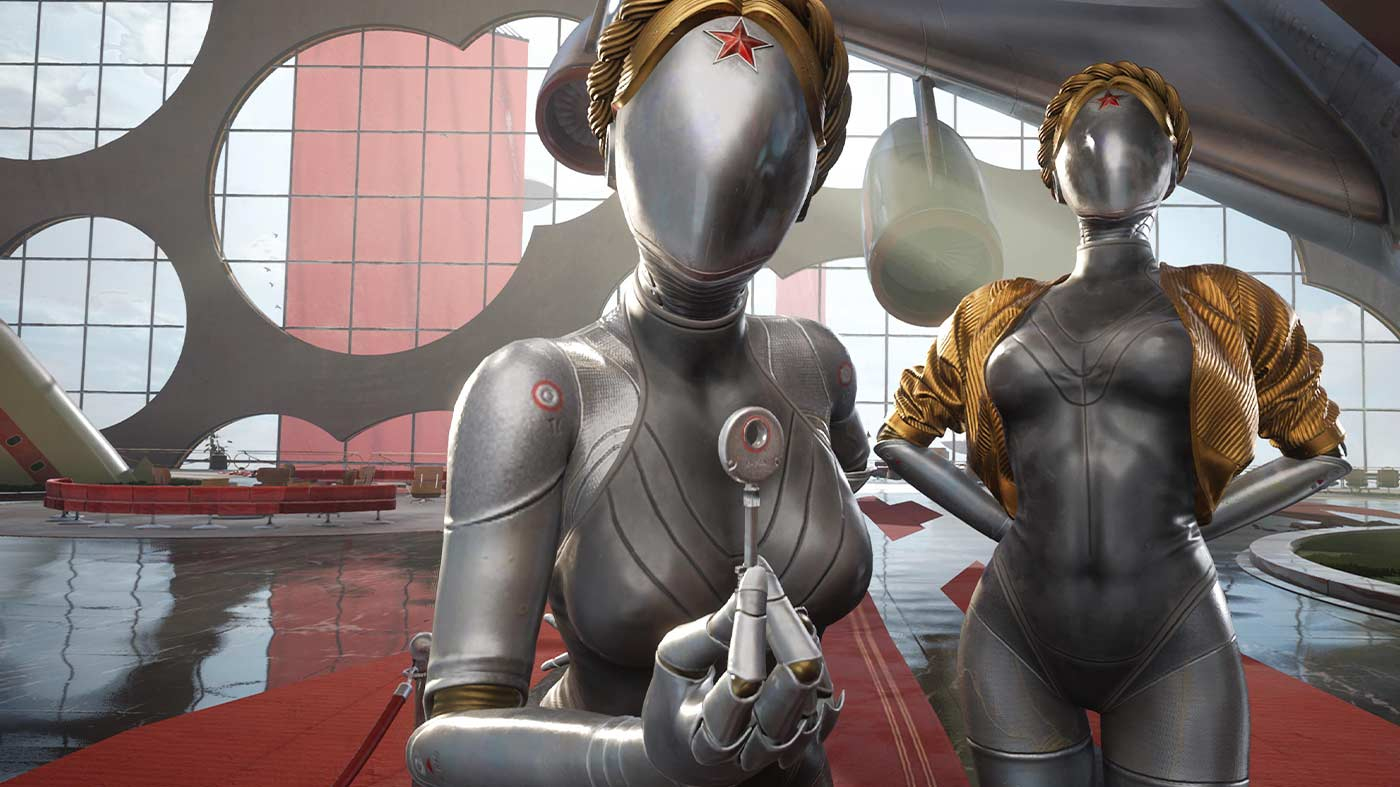
Skeleton Key, a studio founded by BioWare veteran Christian Dailey, cancelled a sci-fi survival horror project titled “Sundown” originally developed for Wizards of the Coast. According to reports from MP1st and Gamereactor, the game featured robot clones of the protagonist and a humanoid hunter named Alex who played 70s and 80s music while stalking the player.
Why is the “AI Mirror” mechanic appearing more in horror games?
The cancelled “Sundown” project focused on a protagonist named Ava who fought robot versions of herself. These enemies functioned as a collective consciousness that mirrored Ava’s personality and adapted to her behavior, according to MP1st. This reflects a growing industry trend toward adaptive AI that challenges players by using their own tactics against them.

Modern horror titles increasingly use psychological mirroring to create discomfort. When an enemy adapts to a player’s specific movement patterns or combat style, it removes the safety of “solving” the AI. This shift moves horror away from scripted jump scares and toward systemic dread.
How does audio contrast increase tension in survival horror?
The detail of a massive robot named Alex playing nostalgic 70s and 80s hits while hunting the player is a classic example of audio-visual dissonance. This technique pairs a comforting or upbeat sound with a lethal threat to heighten player anxiety.
Industry precedents show that juxtaposition often works better than silence. Using upbeat music during a chase sequence creates a cognitive clash. It signals to the player that the antagonist is not just a monster, but a sentient entity with a specific, perhaps twisted, personality.
The role of “Neo-Victorian” aesthetics
Gamereactor noted that “Sundown” featured healing items inspired by a neo-Victorian setting. This blend of high-tech sci-fi and 19th-century aesthetics is a recurring theme in “steampunk” and “cyber-gothic” genres. It grounds futuristic technology in a tangible, often decaying, physical world.
What does Skeleton Key’s pivot reveal about indie development?
Skeleton Key cancelled “Sundown” to focus on a second, separate title currently in pre-production. This decision highlights the volatility of multi-project development for smaller studios. Concentrating resources on a single “hero” project is often the only way to ensure a polished release in a market dominated by high fidelity expectations.
Many studios face the “feature creep” trap, where ambitious ideas—like collective consciousness AI—become too expensive or time-consuming to implement. By pivoting, Dailey’s team is prioritizing a viable pipeline over an experimental prototype.
Frequently Asked Questions
What was Project Sundown?
It was a cancelled sci-fi survival horror game developed by Skeleton Key for Wizards of the Coast, featuring a story about a woman named Ava searching for a technological artifact.
Who founded Skeleton Key?
The studio was founded in 2022 by Christian Dailey, a veteran of BioWare.
Is Skeleton Key still active?
Yes. While “Sundown” was cancelled, the studio is currently working on another title that is in the pre-production phase.
Do you prefer survival horror with scripted scares or adaptive AI that learns your moves? Let us know in the comments below or subscribe to our newsletter for more industry deep-dives.