
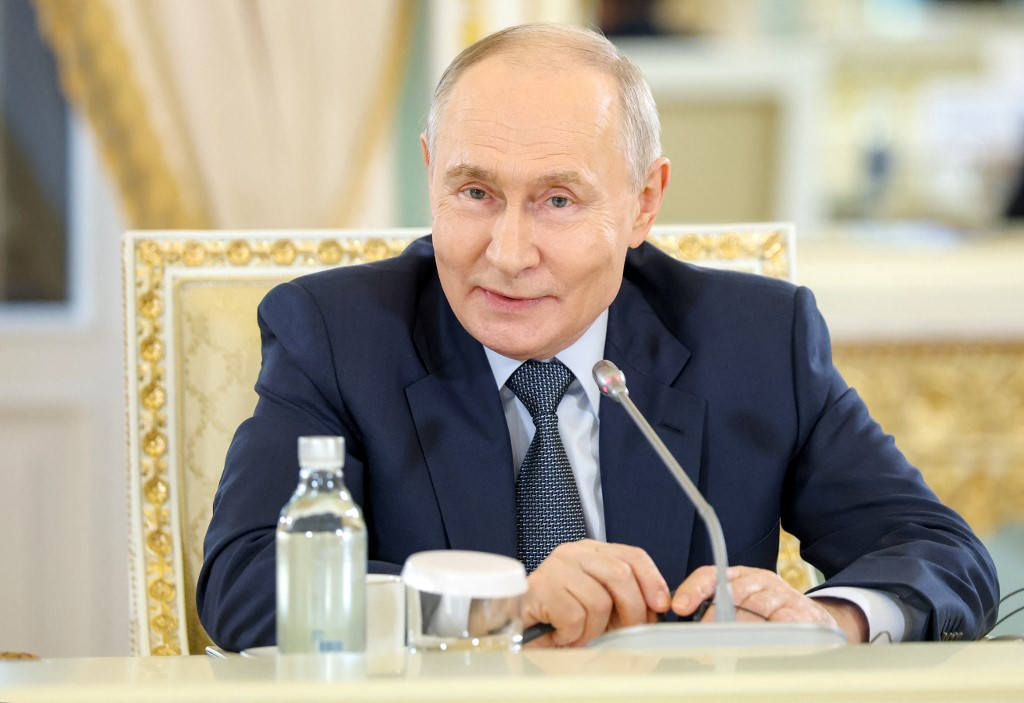
Putin Rejects Europe as Ukraine Peace Mediator, Doubles Down on Trump Deal
The landscape of the war in Ukraine is shifting from a purely battlefield-centric conflict to a complex arena of high-stakes diplomatic maneuvering. As Vladimir Putin overtly dismisses European mediation, the international community faces a critical juncture: is a lasting peace possible when the primary actors remain so fundamentally divided on the definition of “neutrality”?
The Failure of Traditional Mediation
Putin’s recent remarks in St. Petersburg have effectively drawn a new red line in the sand. By arguing that European nations cannot act as honest brokers due to their military support for Kyiv, the Kremlin is signaling a pivot away from multilateral European peace efforts.
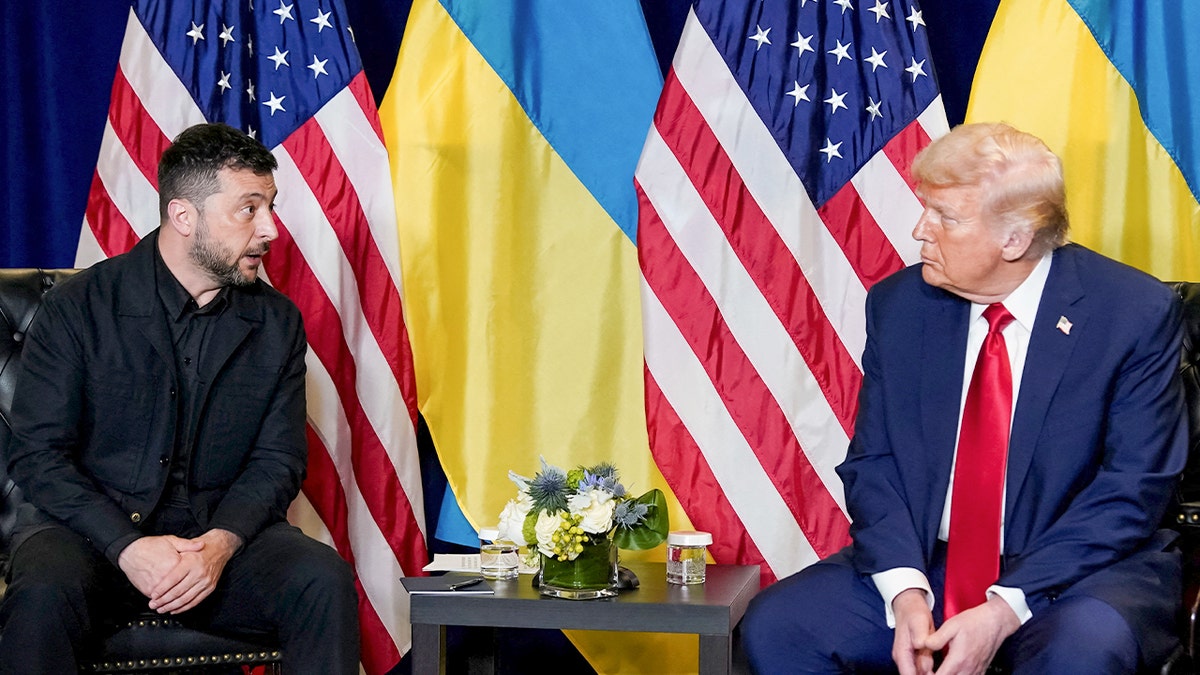
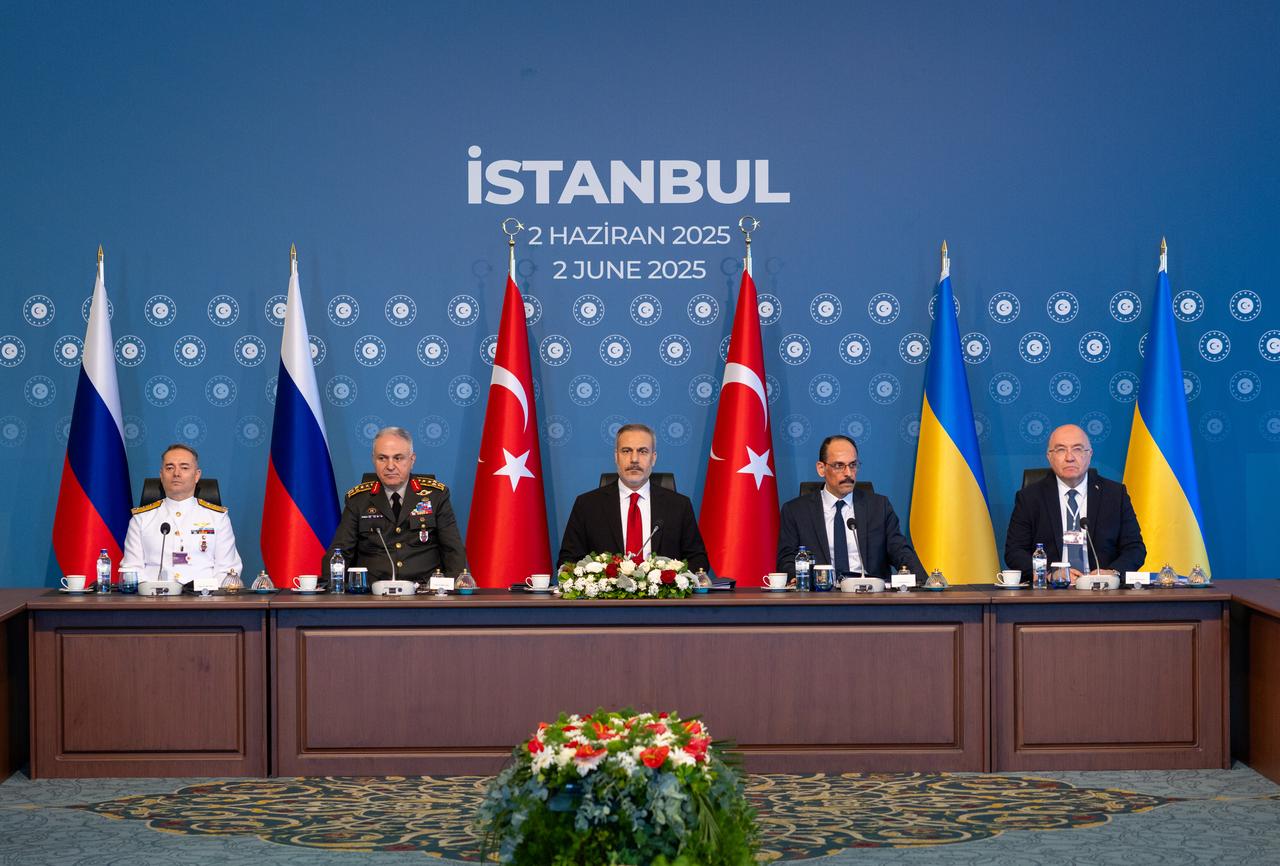
This stance suggests that future negotiations—if they happen—will likely bypass Brussels, Paris, and Berlin in favour of direct bilateral talks or frameworks established under US-led initiatives. For European leaders, this represents a significant diplomatic setback, forcing them to re-evaluate their leverage in a conflict that is unfolding on their own continent.
In international diplomacy, the concept of a “neutral mediator” is notoriously difficult to maintain. Historically, mediators often have their own strategic interests, which is why parties in conflict frequently reject third-party involvement that they perceive as biased toward their opponent.
The “Anchorage Framework” and the Future of Negotiations
The Kremlin’s insistence on a deal modeled after discussions with US President Donald Trump highlights a preference for “great power” diplomacy. This approach effectively sidelines smaller stakeholders and minimizes the European Union’s influence in shaping the post-war security architecture.
Key Hurdles to a Ceasefire
- Territorial Demands: Moscow continues to demand the surrender of the entire Donetsk region, a condition Kyiv has consistently rejected as a non-starter.
- Security Guarantees: Ukraine’s focus remains on establishing a new security framework that prevents future aggression, a goal that clashes with Russia’s current military objectives.
- The “Oreshnik” Factor: Russia’s recent testing of the Oreshnik hypersonic missile system serves as a tactical reminder of their intent to escalate if diplomatic pressure fails to yield results.
Is Europe Being Sidelined?
Despite Putin’s rhetoric, Europe remains the primary donor of humanitarian and financial aid to Ukraine. European leaders, including those in France, Germany, and the UK, are increasingly concerned that a deal struck exclusively between Washington and Moscow could leave them vulnerable to long-term regional instability.
Follow the money and the energy infrastructure. Most analysts tracking the conflict suggest that the real “peace talks” are happening behind the scenes in economic corridors, where the true cost of the war is being calculated by global markets.
Escalation Risks and Technological Warfare
Beyond the diplomatic table, the battlefield is evolving. Putin’s comments regarding the “full-scale use” of hypersonic weaponry indicate that the Kremlin is prepared to utilize advanced technology to force a favorable diplomatic outcome. This “coercive diplomacy” aims to pressure urban centers and infrastructure, hoping to force a change in Kyiv’s negotiating position.
Frequently Asked Questions
Why does Putin reject European mediation?
Putin argues that because European countries provide military aid to Ukraine, they cannot be considered neutral parties, which is a prerequisite for effective mediation in his view.
What is the “Anchorage Framework”?
It refers to a series of reported peace framework discussions held between Russian and US leadership during a summit in Alaska, which the Kremlin currently favors over European-led initiatives.
Can the war end without European involvement?
While the US and Russia hold significant sway, any lasting peace in Ukraine requires the cooperation of European nations, as they are essential for the long-term reconstruction and security of the continent.
What are your thoughts on the future of these negotiations? Should Europe push for a seat at the table, or is a US-Russia deal the only viable path to peace? Share your perspective in the comments section below or subscribe to our newsletter for weekly updates on global security trends.