
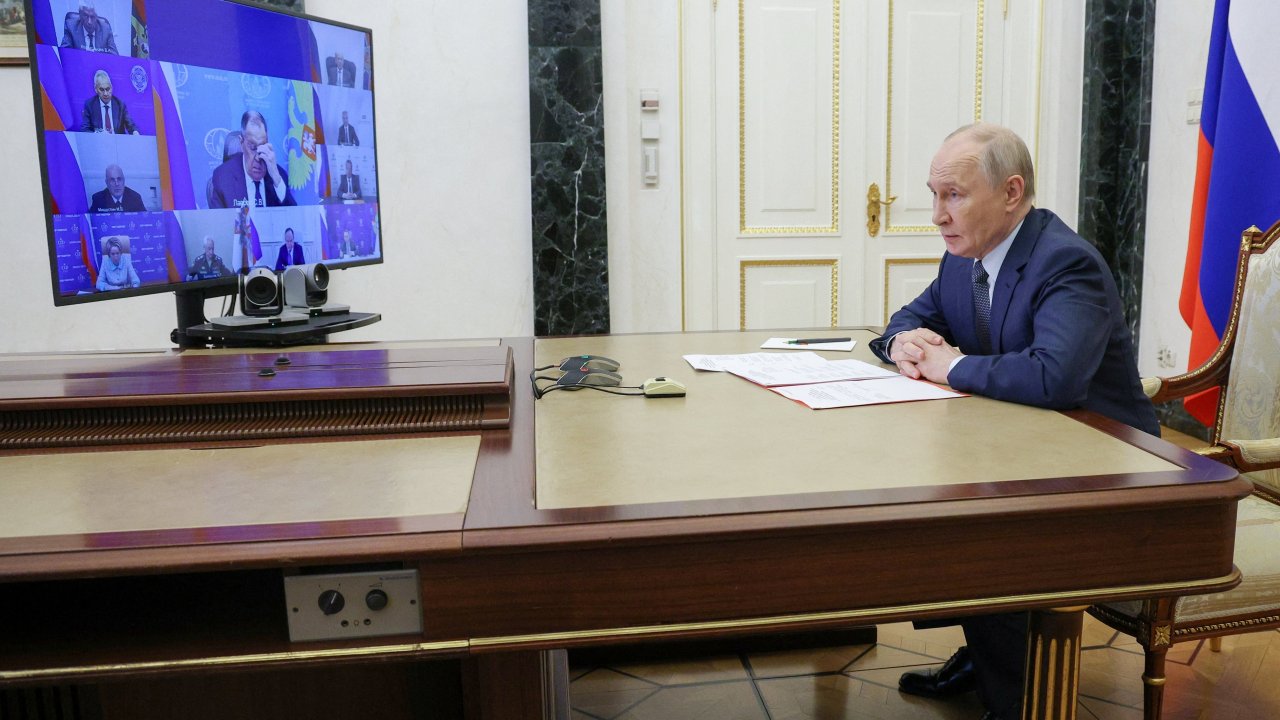
Putin’s Information Bubble: The Danger of Filtered Truth in Russia
Former Russia-1 director Dmitry Skorobutov alleges that news bulletins are edited specifically for Vladimir Putin to remove upsetting information. According to Oxford professor Robert Service, this information filtering creates a dangerous disconnect between the Kremlin’s perception and the reality of Russian casualties and economic instability.
Why does the “Dictator’s Trap” lead to strategic failure?
Information filtering in autocratic regimes often creates a feedback loop where leaders only receive data that confirms their existing beliefs. Dmitry Skorobutov, who received political asylum in Switzerland in 2020, claims producers at Russia-1 create a special version of the evening news for the “Main Viewer.” This practice reportedly intensified after the invasion of Ukraine began.
When subordinates fear the leader’s reaction, they stop reporting failures. Robert Service notes that this mirrors the behavior of the NKVD under Joseph Stalin. By the late 1930s, Soviet intelligence reports were formulated to match Stalin’s political lines rather than reflect objective reality.
The cost of this disconnect is often measured in lives. In May 1941, Soviet agent Richard Sorge warned Moscow that Hitler was preparing Operation Barbarossa. Stalin dismissed the warning. The resulting German invasion nearly destroyed the USSR.
How does information filtering affect Russian military decisions?
The gap between intelligence and reality has direct consequences on the front lines. At the start of the 2022 invasion, Colonel General Sergei Beseda, head of the FSB’s fifth service, assured Putin that Ukrainian resistance would be minimal. This assessment proved wrong.

Service reports that Beseda was removed and likely arrested for a period before returning as an advisor to the FSB director. The failure was not necessarily a lack of data, but a tendency to provide evidence that supported what Putin wanted to hear.
Current trends suggest a tightening of this information monopoly. The Russian government has increased efforts to limit Telegram, which served as a primary channel for citizens to discuss daily issues without state interference. By narrowing the flow of information, the regime attempts to maintain an illusion of total control.
What happens when internal propaganda clashes with external reality?
A regime’s stability often relies on an unwritten contract: the leader provides security in exchange for the people’s submission. This contract breaks when the state can no longer protect its own borders or economy. Robert Service points to the fall of Nicholas II following defeats in 1905 and World War I as a historical precedent.
Recent events have brought the war closer to the Russian heartland. Ukrainian drones have targeted St. Petersburg, the home city of Vladimir Putin, and a military base in Cheboksary, 450 miles east of Moscow. A refinery in Moscow was also struck recently.
Economic pressures are mounting alongside military losses. Service reports Russian casualties reaching 30,000 per month. This attrition rate may force the Kremlin to announce another unpopular mobilization, similar to the one in autumn 2022 that sparked public protests. With inflation rising and drones penetrating deep into Russian airspace, the “Main Viewer’s” filtered news version is increasingly at odds with the lived experience of the population.
| Historical Example | Information Failure | Outcome |
|---|---|---|
| Stalin (1941) | Ignored Richard Sorge’s warnings | Near-collapse of USSR |
| Putin (2022) | Relied on Beseda’s “minimal resistance” claim | Stalled offensive/High casualties |
Frequently Asked Questions
What is the “Dictator’s Trap”?
It is a political phenomenon where a leader becomes isolated from accurate information because subordinates fear delivering bad news, leading to poor decision-making based on false data.
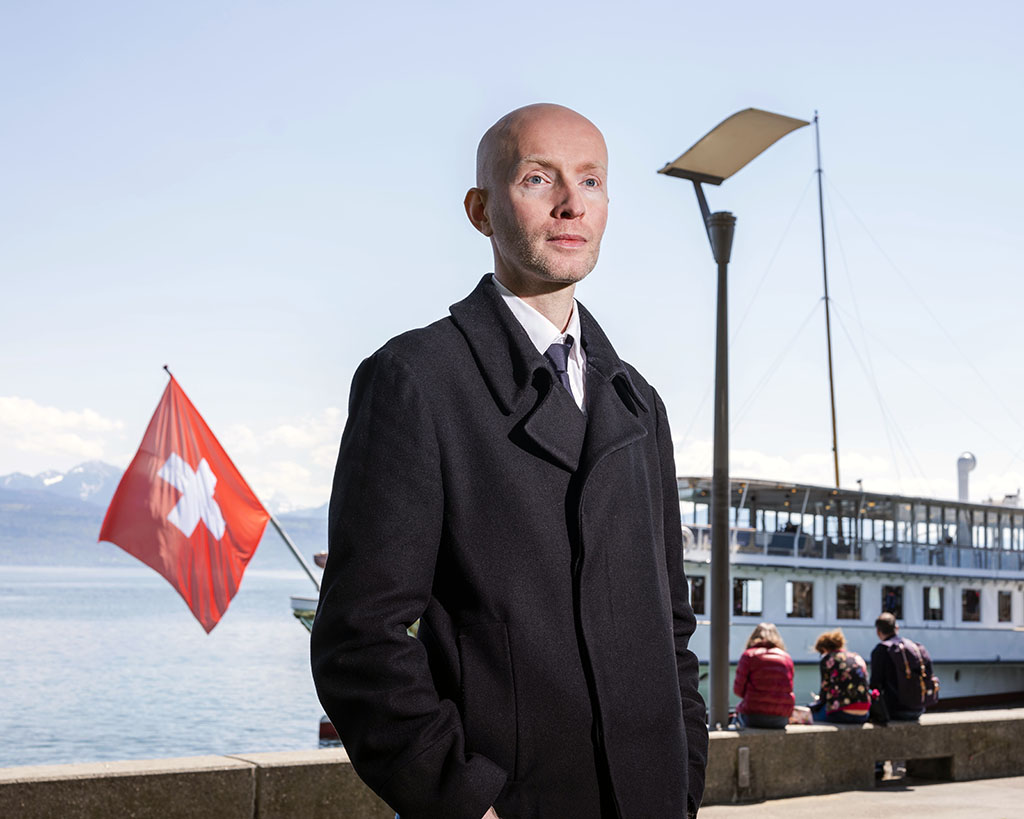
Who is Dmitry Skorobutov?
He is a former director of the Russian state channel Russia-1 who now lives in Switzerland under political asylum.
How does the Kremlin control the narrative?
According to the source, the state uses filtered news bulletins for the leader and restricts access to independent platforms like Telegram to limit alternative viewpoints.
Join the Conversation
Do you think information bubbles are the primary cause of strategic failures in modern autocracies? Share your thoughts in the comments below or subscribe to our newsletter for more deep-dive political analysis.