

5 Essential Facts About Herpes: Transmission, Management, and Myths
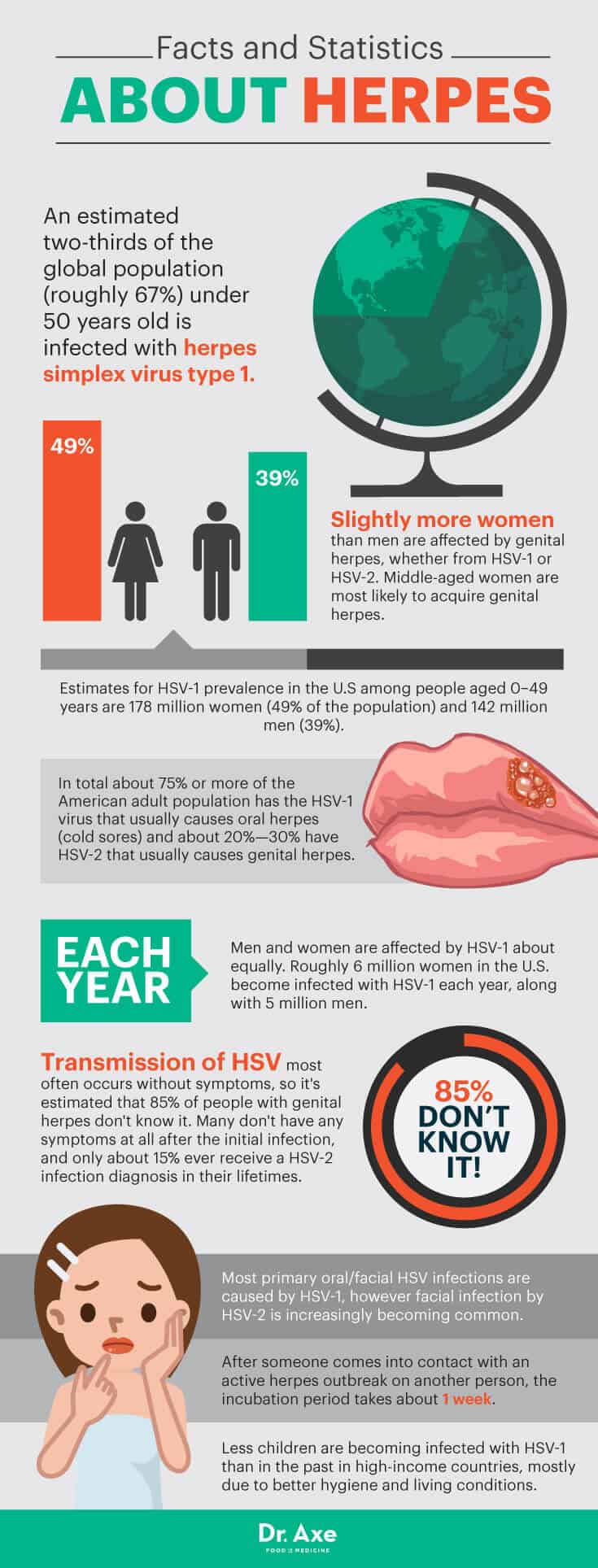
Herpes simplex virus (HSV) remains one of the most common infections globally, with the World Health Organization (WHO) reporting that approximately 3.7 billion people under age 50—roughly 67% of the global population—have HSV-1. While the virus cannot be cured, it is considered a highly manageable skin condition by health professionals, despite persistent social stigma that can complicate how individuals navigate their diagnoses and personal relationships.
Understanding the Prevalence of HSV-1 and HSV-2
The global impact of herpes is widespread, according to data from the WHO and the Centers for Disease Control and Prevention (CDC). While 3.7 billion people carry HSV-1, which is the primary cause of oral herpes but an increasing cause of genital infections, about 491 million people aged 15–49 worldwide have HSV-2, the main cause of genital herpes.
In the United States, the CDC estimates that 12% of individuals aged 14–49 have a genital HSV-2 infection. This figure likely underrepresents the total, as it does not account for genital herpes cases caused by HSV-1. Many people remain unaware of their status; studies indicate that 85–90% of those diagnosed were previously unaware they had the virus, often because they experienced no symptoms or mistook mild signs for common issues like pimples or ingrown hairs.
About 85-90% of people who receive a diagnosis for herpes were previously unaware they were carrying the virus, largely because the infection often manifests with no symptoms or symptoms so mild they go unnoticed.
How the Virus Spreads
Unlike sexually transmitted infections passed through body fluids, herpes is transmitted via direct skin-to-skin contact. This includes kissing, oral, anal, and vaginal sex, as well as genital-to-genital rubbing. Transmission can occur even when no obvious sores or symptoms are present, a process known as asymptomatic shedding.
While sharing inanimate objects like razors or utensils is considered highly unlikely to pass the virus, experts suggest caution regarding items that make direct contact with genital or anal skin, such as towels or sex toys, when sores are present. Similarly, it may be best to avoid sharing lipsticks or glosses.
Managing Symptoms and Relationships
For those living with herpes, medical and behavioral strategies can help manage the condition and reduce transmission risks. Suppressive antiviral therapy, such as daily valacyclovir, can significantly reduce both asymptomatic shedding and the frequency of outbreaks. According to data, daily use of this medication can lower the possibility of passing the virus to a partner by as much as 50%.
While a diagnosis may initially feel overwhelming, many people continue to maintain normal romantic and sexual lives. Research suggests that the emotional impact of a diagnosis often diminishes over time. For those experiencing frequent recurrences, various self-care and treatment options exist to manage painful symptoms.
The significant gap between the high prevalence of the virus and the low public awareness of its asymptomatic nature is a primary driver of the stigma surrounding herpes. By grounding patient concerns in clinical facts—such as the efficacy of suppressive therapy—individuals can shift their focus from the fear created by societal misconceptions to the practical reality of managing a common, manageable skin condition.
What May Happen Next
As awareness of asymptomatic shedding and treatment options continues to grow, individuals may find it easier to engage in open communication with partners. Analysts expect that as more people utilize support groups and online communities to share personal experiences, the reliance on misinformation may decrease. Future encounters with the virus are likely to remain centered on symptom management, with patients increasingly relying on suppressive therapies to balance personal health with the maintenance of healthy relationships.
Frequently Asked Questions
Is there a cure for herpes?
No, herpes cannot be cured, but it is considered a very manageable skin condition through various treatment and self-care options.
Can I pass herpes to a partner if I don’t have any symptoms?
Yes. Herpes can be passed on through asymptomatic shedding, which occurs even when there are no visible sores or symptoms present.
How can I reduce the risk of transmitting the virus?
Using condoms can help, although the virus may exist on skin not covered by the condom. Additionally, taking daily suppressive antiviral therapy, such as valacyclovir, can reduce the possibility of passing the virus to a partner by up to 50%.
How has the availability of factual information changed your perspective on managing common skin conditions in your daily life?