
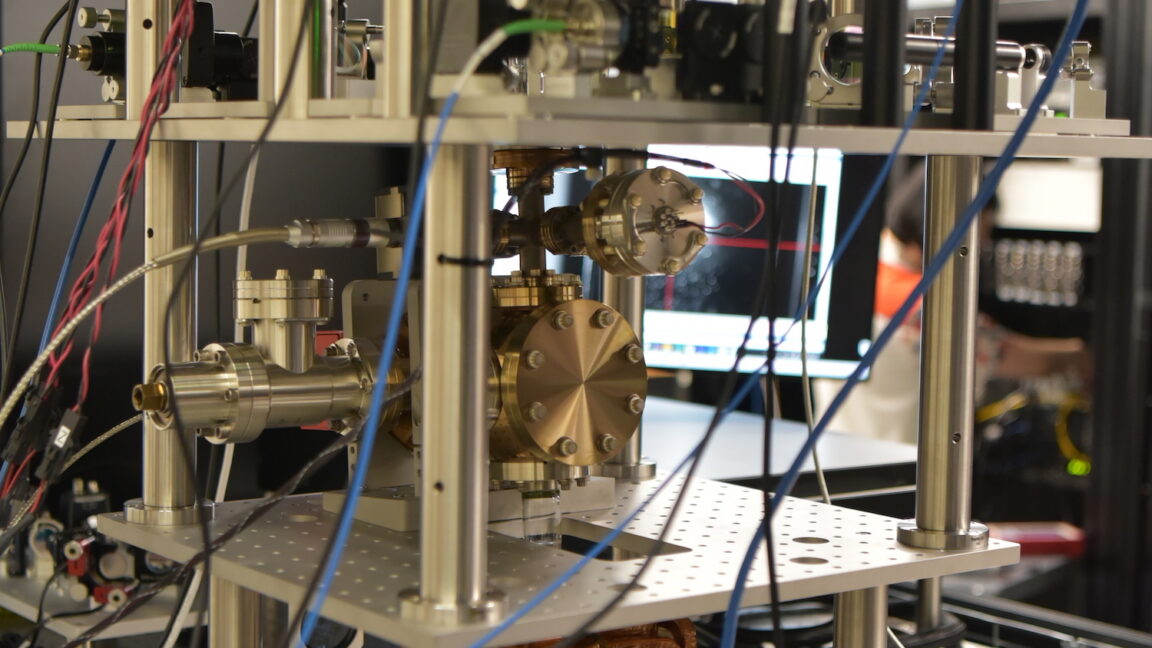
Quantum Computing Update: Error-Corrected Machines by 2028
Useful, error-corrected quantum computing could arrive by 2028, according to reports from Ars Technica. This timeline accelerates previous industry estimates of five to 10 years, focusing on the creation of logical qubits—groups of hardware qubits that correct errors to perform complex chemical modeling and encryption tasks.
When will quantum computers become useful?
Some projections now suggest 2028 is a viable target for useful quantum computing. While many in the field previously estimated a five- to 10-year window, Ars Technica reports that recent announcements indicate faster progress toward error-corrected hardware.
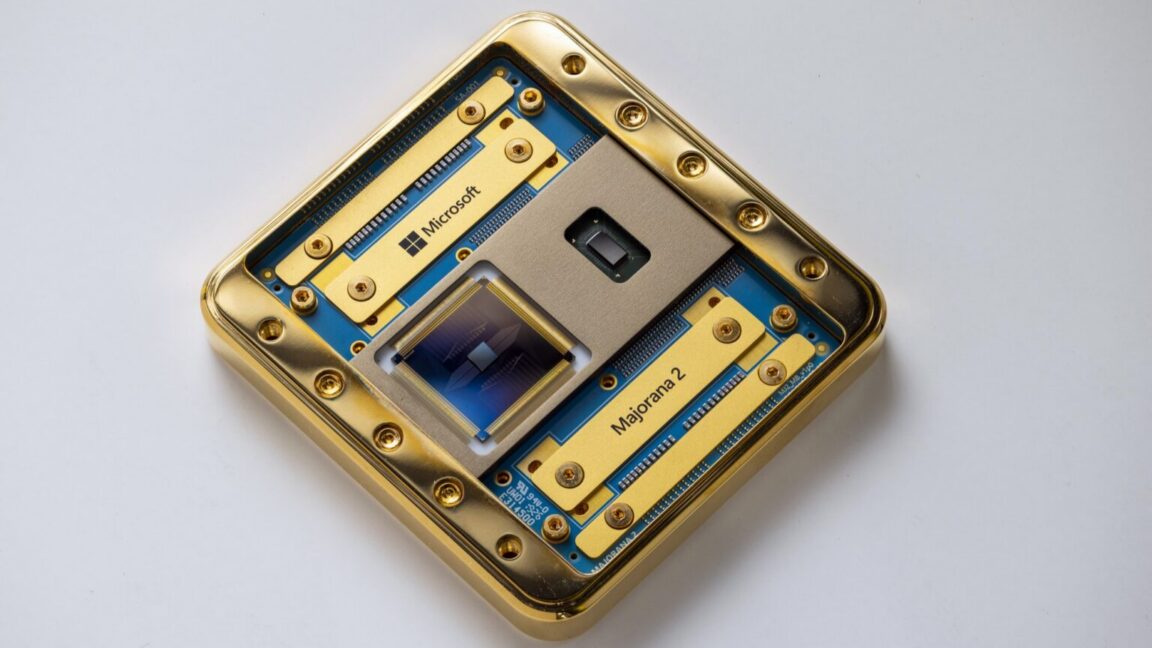
The definition of “useful” varies by the intended application. According to Ars Technica, modeling the behavior of simple chemicals requires roughly 100 logical qubits. In contrast, breaking modern encryption would require tens of thousands of logical qubits.
Current technology faces a trade-off: systems either offer high qubit quality or a high quantity of qubits, but rarely both. Achieving the 2028 goal requires incremental progress in linking these hardware components.
How do logical qubits solve the error problem?
Logical qubits solve the inherent instability of quantum hardware by using redundancy. Ars Technica explains that logical qubits link a small collection of hardware qubits together, allowing neighboring qubits to be measured to determine when errors occur.

This error correction is essential because existing hardware is error-prone. Without it, most interesting quantum problems remain unsolvable. To build a truly useful error-corrected machine, engineers need thousands of high-quality hardware qubits to support a smaller number of stable logical qubits.
Why are quantum supremacy claims being scaled back?
Recent claims of “quantum supremacy”—the point where a quantum computer outperforms a classical one—have been reduced as traditional algorithms improve. Ars Technica reports that advances in classical computing have closed the gap, proving that some tasks previously thought to be “quantum-only” can actually be handled by traditional machines.
This shift highlights a constant race between quantum hardware development and classical software optimization. As traditional algorithms become more efficient, the bar for proving quantum supremacy rises.
Comparing Quantum Requirements
| Application | Logical Qubits Needed | Source |
|---|---|---|
| Simple Chemical Modeling | ~100 | Ars Technica |
| Breaking Encryption | Tens of Thousands | Ars Technica |
What happens next for trapped ion processors?
Industry updates now include details on updated trapped ion processors, which represent one of the primary paths toward scaling. These processors aim to bridge the gap between qubit quantity and quality.
The focus remains on whether these incremental hardware updates can meet the 2028 timeline. If the industry can successfully scale logical qubits, the transition from theoretical experiments to practical industrial use will accelerate.
Frequently Asked Questions
A hardware qubit is a physical component that is prone to errors. A logical qubit is a group of hardware qubits linked together to correct those errors and maintain stable information.
According to Ars Technica, this would require tens of thousands of logical qubits. While some projections suggest useful quantum computing by 2028, breaking encryption is a much larger task than simple chemical modeling.
No. As traditional algorithms improve, tasks that once required a quantum computer can sometimes be solved by classical machines, leading to a reduction in previous supremacy claims.
Do you think 2028 is a realistic goal for error-corrected quantum computing, or is it industry hype? Let us know in the comments or subscribe to our newsletter for more deep dives into emerging tech.