
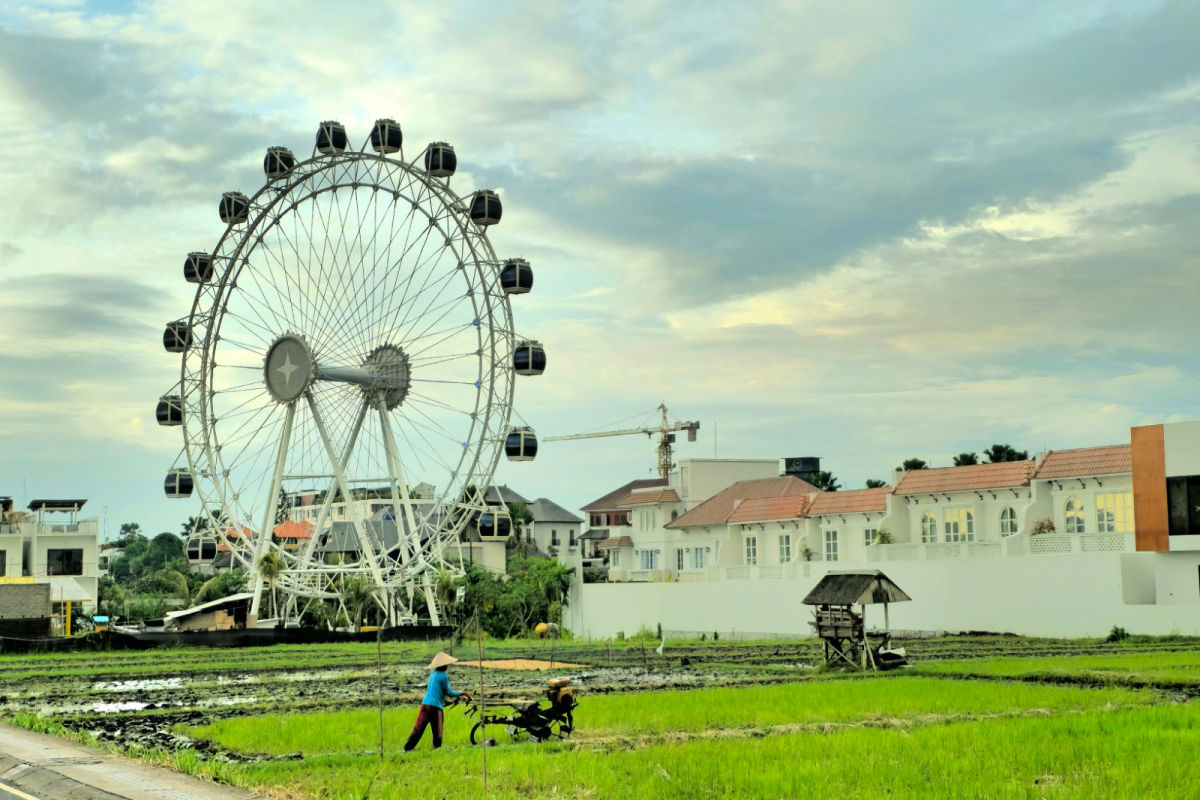
Rapid Changes In Canggu: Tourists & Local Communities Questioning If Bali’s Hottest Destination Can Sustain
Bali is bracing for a surge in visitors as the peak travel season begins. Despite broader global concerns regarding instability in the Middle East, the island’s tourism sector remains resilient, with officials currently on track to meet their 2026 growth targets with ease.
However, this rapid success has triggered a debate regarding the sustainability of Bali’s most popular coastal communities. Canggu, in particular, has become the focal point of concerns as its landscape undergoes a radical transformation that has left it nearly unrecognizable compared to its state just a decade ago.
The Disappearing Landscape
New data from Nusantara Atlas, which uses satellite monitoring to track land use, highlights the scale of this shift. By comparing high-resolution imagery from 1965—captured by the declassified KH-7 Gambit satellite—with modern data, the extent of the urbanization becomes clear. In 1965, 76% of Canggu was covered by rice paddies, while urban development accounted for just 0.05% of the land.

By the end of 2025, those figures had shifted dramatically. Rice field coverage dropped to 44%, while urban development soared to 51%. Much of this conversion has occurred within the last 10 to 15 years, as villas, beach clubs, and resorts have replaced agricultural land.
In 1965, the KH-7 Gambit satellite captured monochrome imagery of southern Bali with a ground resolution of 0.61–0.91 meters, providing an invaluable baseline for measuring the dramatic environmental changes the region has experienced over the past six decades.
Infrastructure and Sustainability Strains
The rapid conversion of land has led to significant practical consequences for local residents. Because agricultural land—which typically acts as a natural sponge for rainfall—has been paved over, the area now faces frequent flooding. The existing network of village roads and farm tracks is struggling to accommodate the volume of traffic typical of a major commercial hub.
These challenges have prompted calls for a reevaluation of how the island balances development with its long-term resilience. As lawsuits concerning illegal land use by foreign-owned businesses continue to emerge, there is a growing emphasis on protecting the remaining rice paddies, such as those in Subak Uma Desa, which are considered vital to Bali’s cultural identity and food systems.
The situation in Canggu represents a classic tension between short-term economic expansion and the preservation of ecological infrastructure. For the island to maintain its appeal, the shift from agriculture to dense commercial development may require a significant pivot toward sustainable infrastructure investment to prevent further degradation of the local environment and quality of life.
Looking Ahead
As the island continues to draw international visitors, future development will face stricter scrutiny regarding land use and sustainability. Observers note that the choices made today regarding remaining green spaces could determine the character of the island for years to come. Travelers may play a role in this transition by choosing accommodations committed to sustainability and prioritizing activities that support the preservation of Bali’s natural and cultural heritage.

Frequently Asked Questions
Why is Canggu prone to flooding?
The flooding is attributed to the loss of agricultural land, which previously functioned as natural drainage. As farms have been converted into commercial properties, the ground has lost its ability to absorb rainfall.
How much has land use changed in Canggu since 1965?
In 1965, 76% of Canggu was mapped as rice fields and only 0.05% was urbanized. By 2025, rice fields accounted for 44% of the land, while urban development had grown to 51%.
What can tourists do to support sustainability in Bali?
Tourists are encouraged to stay at hotels that commit to sustainable practices and to book tours and activities that directly engage with and preserve the island’s cultural and natural heritage.
How do you think the balance between tourism growth and cultural preservation should be managed on the island?