
Ray Bradbury and John Huston Teamed Up for an Adventure Movie Based on a Classic Book
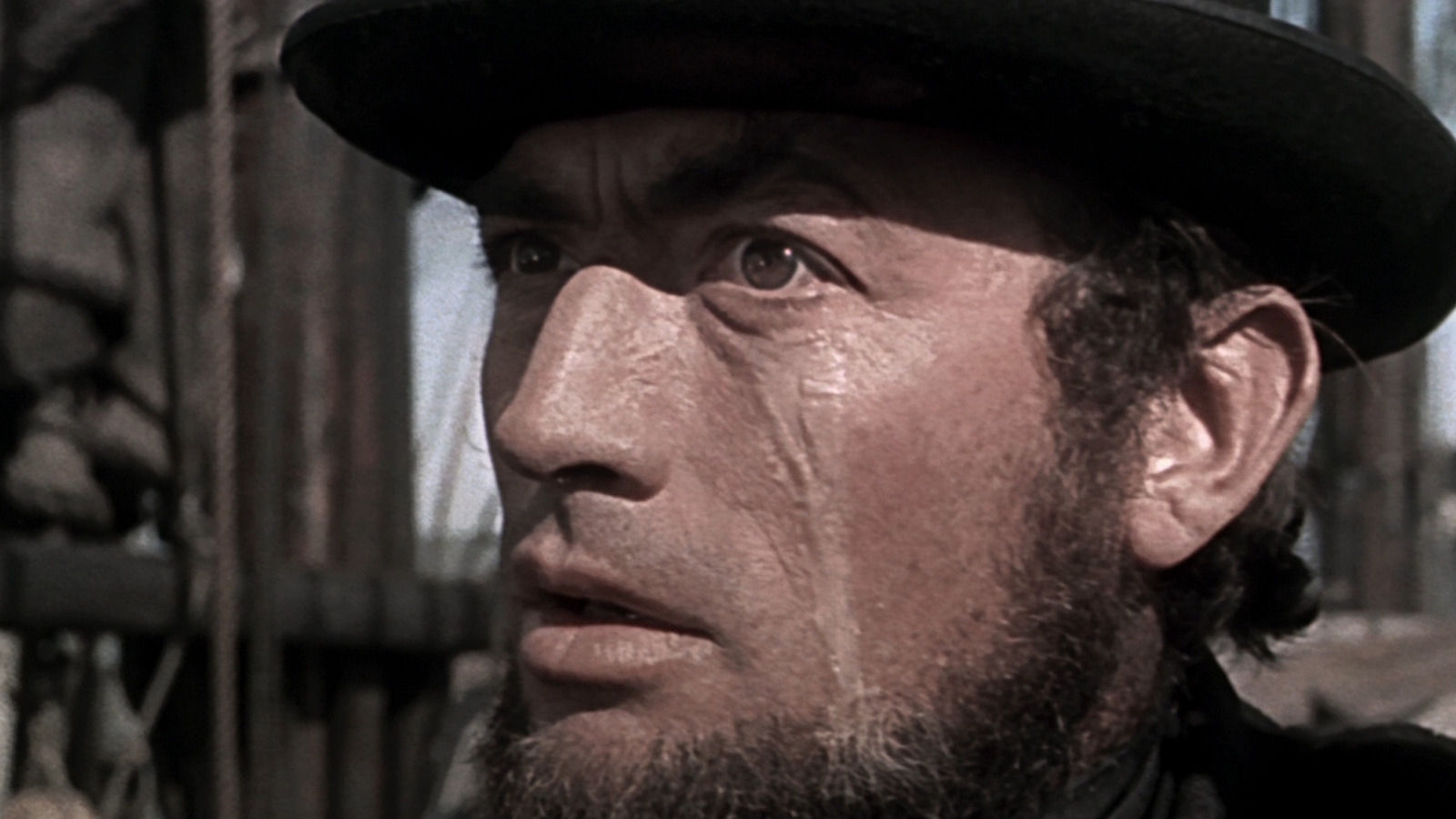
Ray Bradbury, renowned for his science fiction works, adapted Herman Melville’s “Moby-Dick” into a screenplay under the direction of John Huston, a collaboration that faced significant challenges but resulted in a critically acclaimed film. According to Bradbury biographer Sam Weller, the project began after talent agent Ray Stark, a mutual friend of both men, facilitated their meeting. Huston, who had previously directed “The Treasure of the Sierra Madre,” approached Bradbury to adapt the 19th-century novel, a move that surprised many given Bradbury’s focus on speculative fiction.
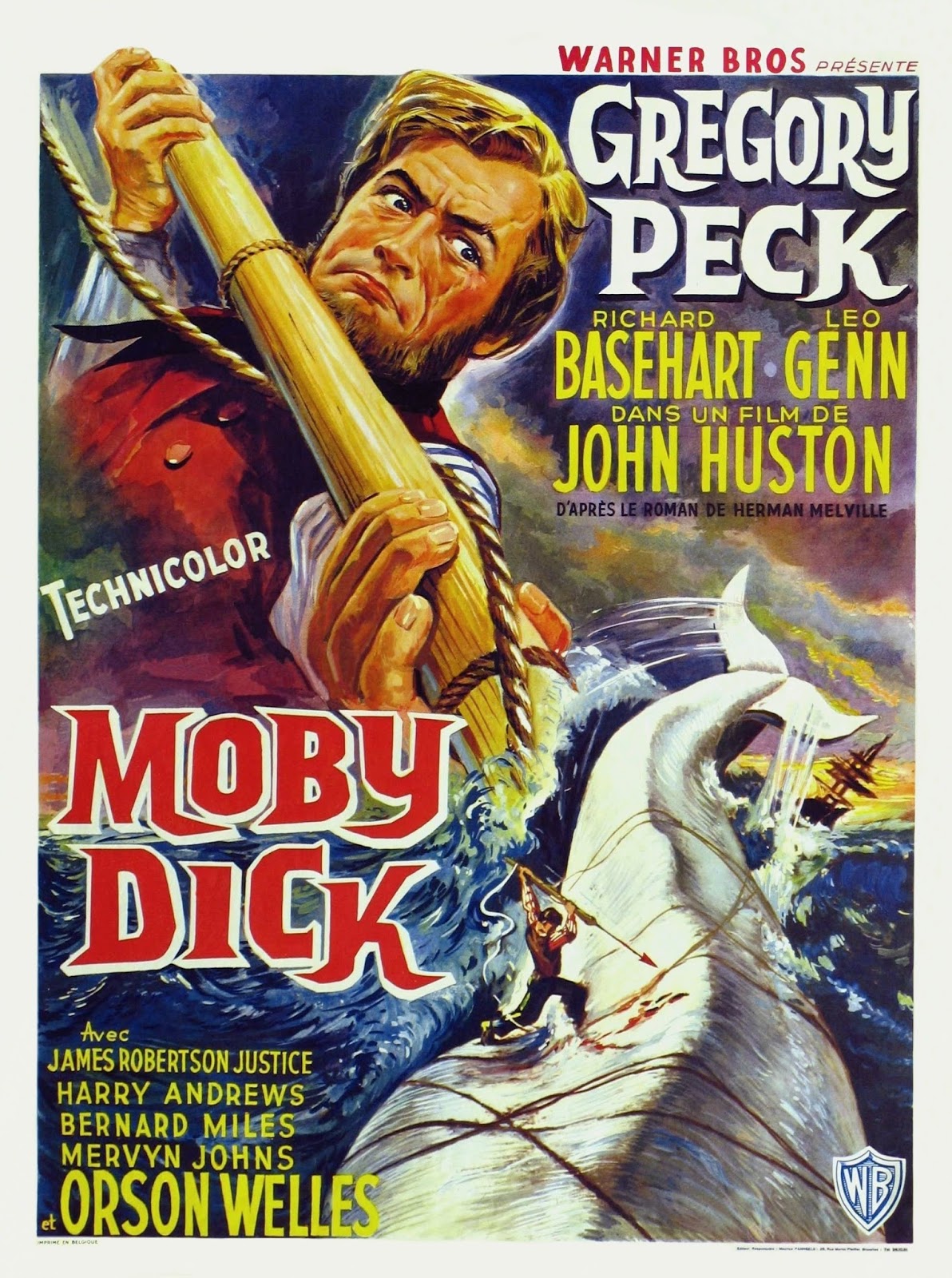
The partnership quickly became tumultuous. Bradbury relocated his family to Ireland to work on the script, enduring psychological pressure from Huston, who was known for his demanding personality. Bradbury’s wife, Marguerite, eventually left with their children due to the stressful environment. Despite the difficulties, the film, released in 1956, is noted for its faithful adaptation of Melville’s complex narrative, with Gregory Peck cast as Captain Ahab and Richard Basehart as Ishmael.
Why It Matters
The collaboration between Bradbury and Huston highlights the intersection of literary adaptation and cinematic ambition. Bradbury, who had previously seen his works like “The Martian Chronicles” adapted for film, faced a starkly different challenge with “Moby-Dick,” a novel renowned for its dense prose and philosophical depth. The project underscored the risks of adapting classic literature, as Huston’s intense direction tested Bradbury’s creative resilience. However, the film’s success demonstrated the potential for such adaptations to resonate with audiences, even when the source material is notoriously difficult to translate to screen.
What May Happen Next
While no immediate developments are mentioned in the source, the film’s legacy could influence future adaptations of literary works. Analysts might examine how Bradbury’s approach to condensing Melville’s text could inform modern screenwriters tackling similarly complex novels. Additionally, the story of this collaboration could inspire biographical projects or documentaries exploring the creative tensions between authors and directors.
The film’s production also reflects the broader context of mid-20th-century Hollywood, where relationships between writers and directors often involved intense power dynamics. Huston’s reputation for demanding work from collaborators was well known, and Bradbury’s experience aligns with accounts of other filmmakers who endured similar conditions during the era.
Frequently Asked Questions
What prompted Ray Bradbury to adapt “Moby-Dick”? John Huston, facilitated by talent agent Ray Stark, approached Bradbury to adapt the novel, leveraging their mutual respect and Stark’s belief in Bradbury’s ability to handle the material.
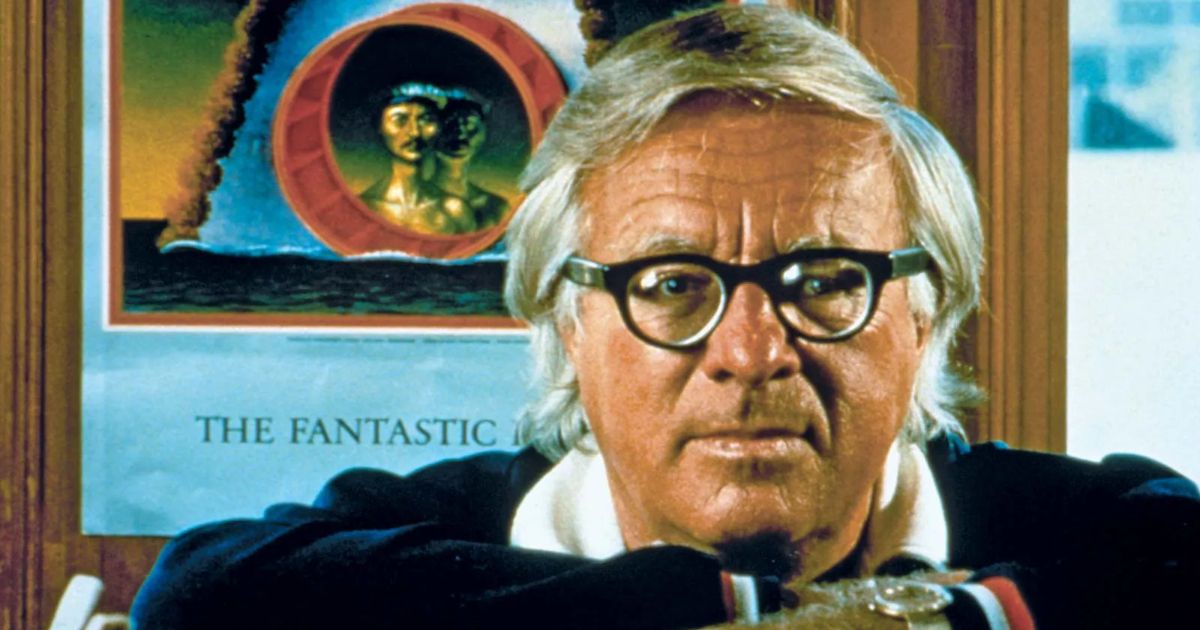
What happened to Bradbury’s family during the project? Bradbury’s wife, Marguerite, left the family in Ireland and moved to Italy with their children due to the stressful conditions created by Huston’s behavior during the scriptwriting process.
How was the resulting film received? The film, starring Gregory Peck as Captain Ahab, is described as a “stirring adaptation” of Melville’s novel, with critics acknowledging its faithful condensation of the source material and strong character development.
How might this collaboration influence future literary adaptations in cinema?