

Raytheon Secures $1 Billion Contract to Deliver NASAMS Air Defense to Kuwait
The Shift Toward Layered Air Defense: Why Nations Are Betting Big on NASAMS
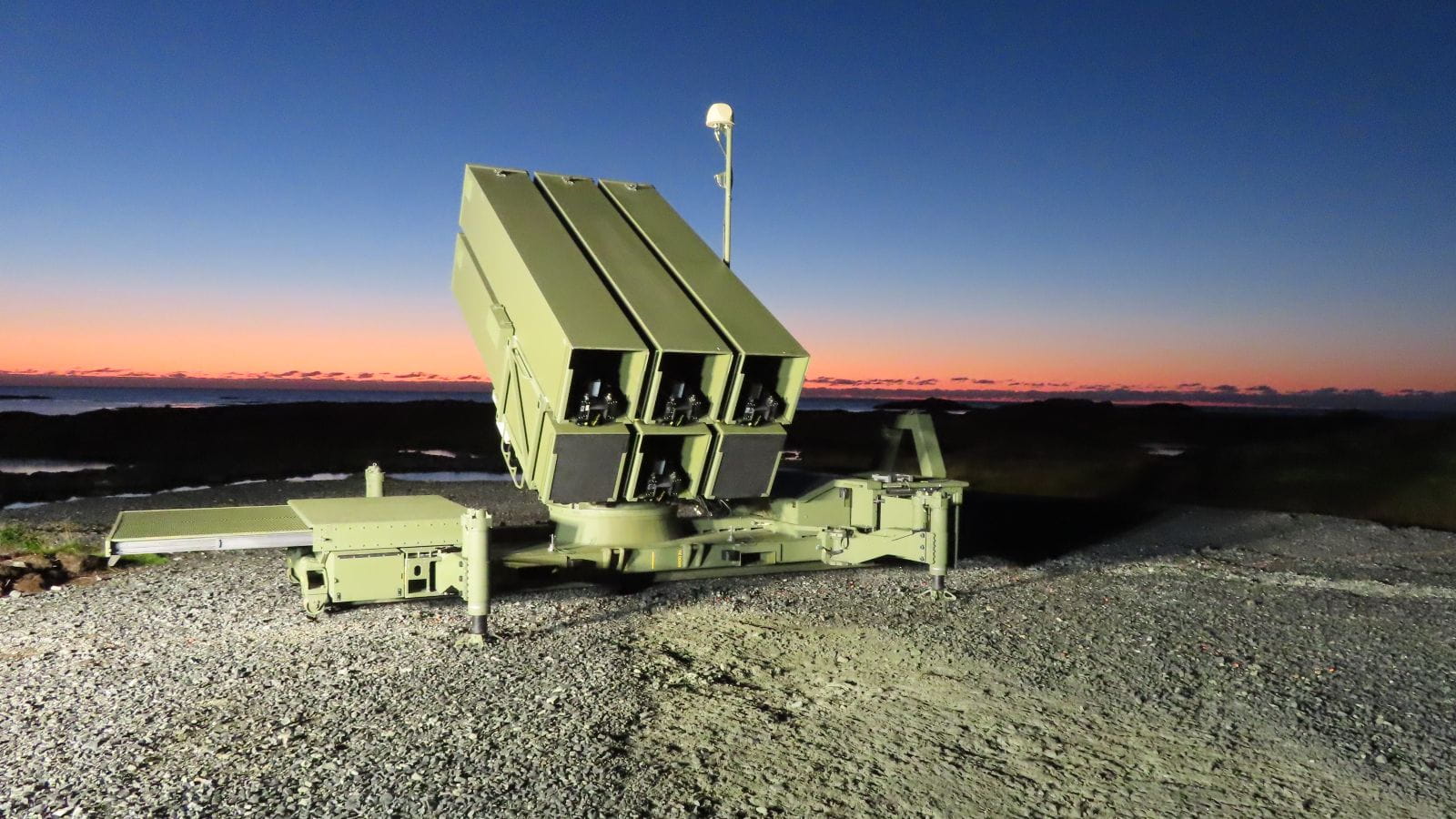
In an era where the battlefield is increasingly defined by low-cost drones and sophisticated cruise missiles, traditional air defense strategies are undergoing a radical transformation. The recent $1 billion contract for Kuwait to procure the National Advanced Surface-to-Air Missile System (NASAMS) is more than just a regional arms deal; We see a bellwether for how modern militaries will secure their airspace for the next decade.
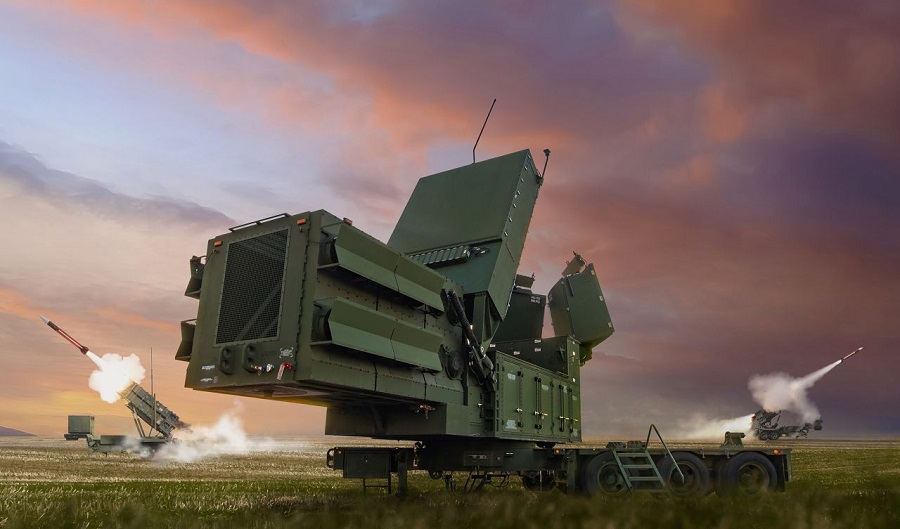
By integrating proven air-to-air missile technology—such as the AIM-120 AMRAAM and the AIM-9X Sidewinder—into a ground-based launch platform, NASAMS has become the gold standard for medium-range air defense. Its 94% combat success rate isn’t just a marketing statistic; it is a compelling reason why nations from Europe to the Middle East are scrambling to secure production slots.
NASAMS is unique because it uses the same missile inventory as fighter jets. This creates a “common logistics chain,” allowing countries to stock the same interceptors for both their air force and their ground-based defense batteries, significantly reducing costs and complexity.
The Rise of the “Drone Swarm” Threat
The modern threat environment has shifted. While legacy systems like the Patriot missile battery are essential for high-altitude, long-range threats like ballistic missiles, they are often overkill—and too expensive—for intercepting small, subsonic drones or cheap cruise missiles. This is where the Raytheon-Kongsberg partnership excels.
By deploying a layered defense, countries like Kuwait can reserve their high-end, high-cost interceptors for major threats, while using the agility and cost-effectiveness of NASAMS to neutralize “swarming” threats. This strategy of tiered protection is becoming the standard for U.S. Foreign Military Sales (FMS) partners worldwide.
Strategic Advantages of Interoperability
For regional partners in the Middle East, interoperability is the ultimate goal. When multiple nations operate the same air defense systems, they can create a “networked” defense. If a radar in one country detects an incoming threat, the data can theoretically be shared across the coalition, allowing for a faster, more coordinated response. This level of synchronization is exactly what makes the global expansion of NASAMS so strategically significant.
Look for defense manufacturers to pivot toward “volume purchasing” of components. As companies like Raytheon face massive backlogs, they are buying sub-components in bulk to stabilize supply chains, a trend that investors and defense analysts should watch closely to gauge the health of the broader industrial base.
Future Trends in Global Air Defense
As we look toward 2030 and beyond, three trends will dominate the air defense landscape:

- AI-Driven Fire Control: Expect to see more automation in target tracking and engagement decisions to handle the speed of modern drone swarms.
- Increased Modularization: Systems will become easier to “plug and play,” allowing militaries to swap out radars or launchers depending on the specific threat level of a region.
- Supply Chain Resilience: The shift from “just-in-time” manufacturing to “just-in-case” inventory management will continue, as nations prioritize security of supply over traditional lean manufacturing.
Frequently Asked Questions
Q: What makes NASAMS better than other air defense systems?
A: Its primary advantage is its combat-proven versatility and its ability to use existing air-to-air missiles, which simplifies logistics and reduces costs for the operator.
Q: Why is Kuwait investing in NASAMS now?
A: Kuwait is upgrading its layered defense to address the specific threat of low-cost drones and cruise missiles, which require a different engagement capability than their existing long-range systems.
Q: Is this system only for U.S. Allies?
A: NASAMS is a key component of the U.S. Foreign Military Sales (FMS) program, making it a primary choice for nations that align their defense strategy with U.S. And NATO standards.
What are your thoughts on the evolution of air defense? Are you interested in the intersection of defense technology and global geopolitics? Subscribe to our newsletter for deep dives into the technologies shaping our world, or leave a comment below to join the discussion.