
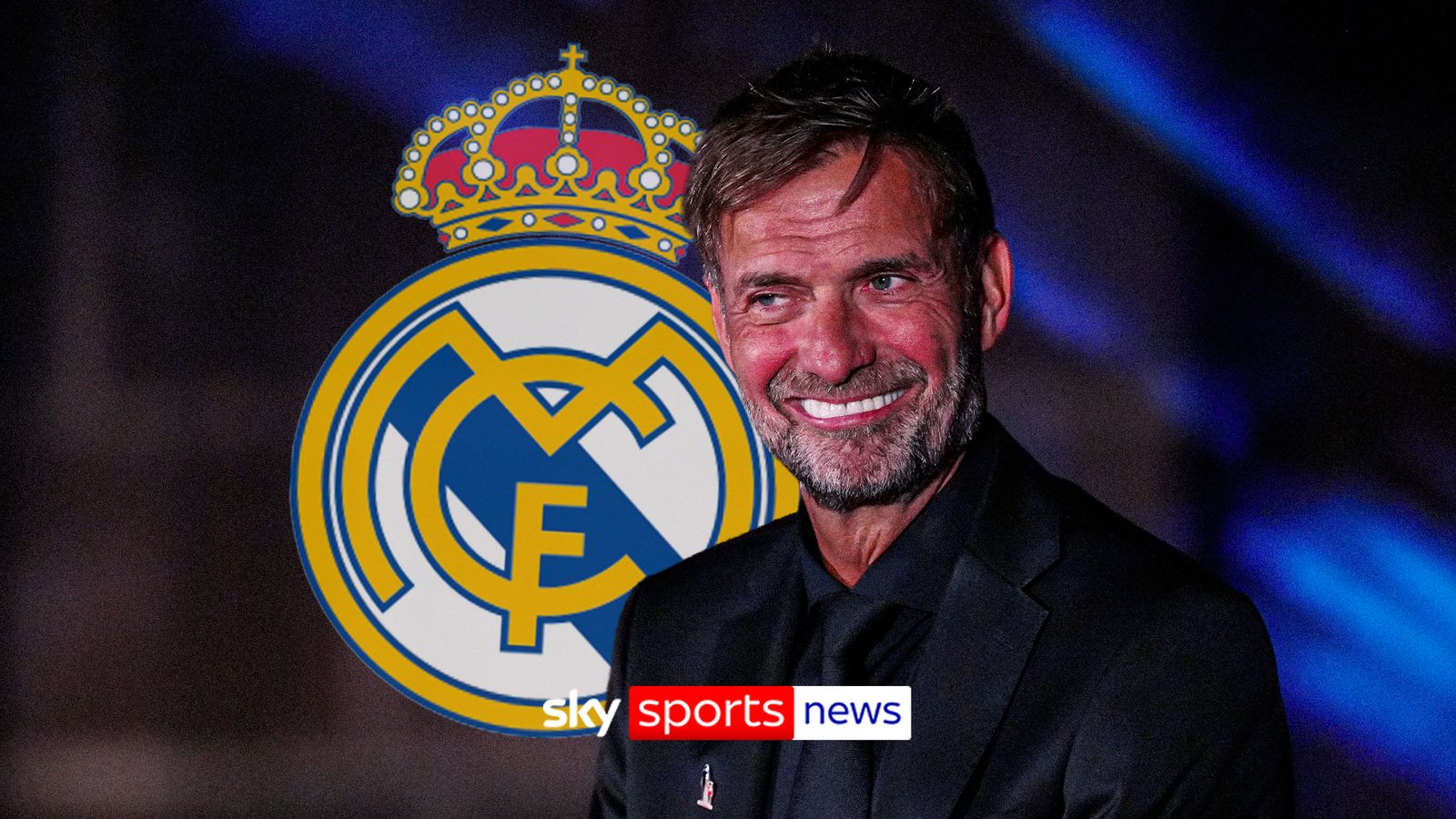
Real Madrid Election: Klopp and Mourinho Emerge as Manager Choices
The New Era of Football Politics: When Presidential Ambition Meets the Transfer Market
For decades, the “Galactico” policy was a sporting strategy. Today, it has evolved into a political weapon. The current power struggle at Real Madrid reveals a burgeoning trend in global football: the use of “superstar promises” as the primary currency for leadership campaigns.
When presidential candidates begin pledging the signatures of players like Erling Haaland or Rodri before they even hold office, we are seeing a shift from traditional club management to a high-stakes marketing model. This approach transforms the boardroom into a campaign trail, where the promise of a “dream team” outweighs the pragmatism of a long-term sporting project.
The ‘Super-Manager’ Paradox: Tactical Innovation vs. Psychological Dominance
The clash between the visions of Jurgen Klopp and Jose Mourinho represents more than just a choice of coach; it is a clash of footballing philosophies that will define the next decade of the sport.

On one side, you have the Klopp Model: high-intensity “Gegenpressing,” a focus on emotional connection, and a commitment to holistic player development. On the other, the Mourinho Blueprint: tactical rigidity, psychological warfare, and an obsession with the “result at all costs.”
The trend here is the return of the “Cult of Personality.” Modern clubs are increasingly moving away from “system coaches” in favour of global brands who can attract sponsors and players simply by their name. As we see with the interest in Klopp—even after his public retirement—the allure of the “biggest club in the world” is often the only thing capable of breaking a manager’s hiatus.
The Rise of the Sporting Director
Another critical trend is the institutionalization of the Sporting Director role. The proposal to install a club legend like Raul Gonzalez Blanco signifies a move toward “cultural continuity.”
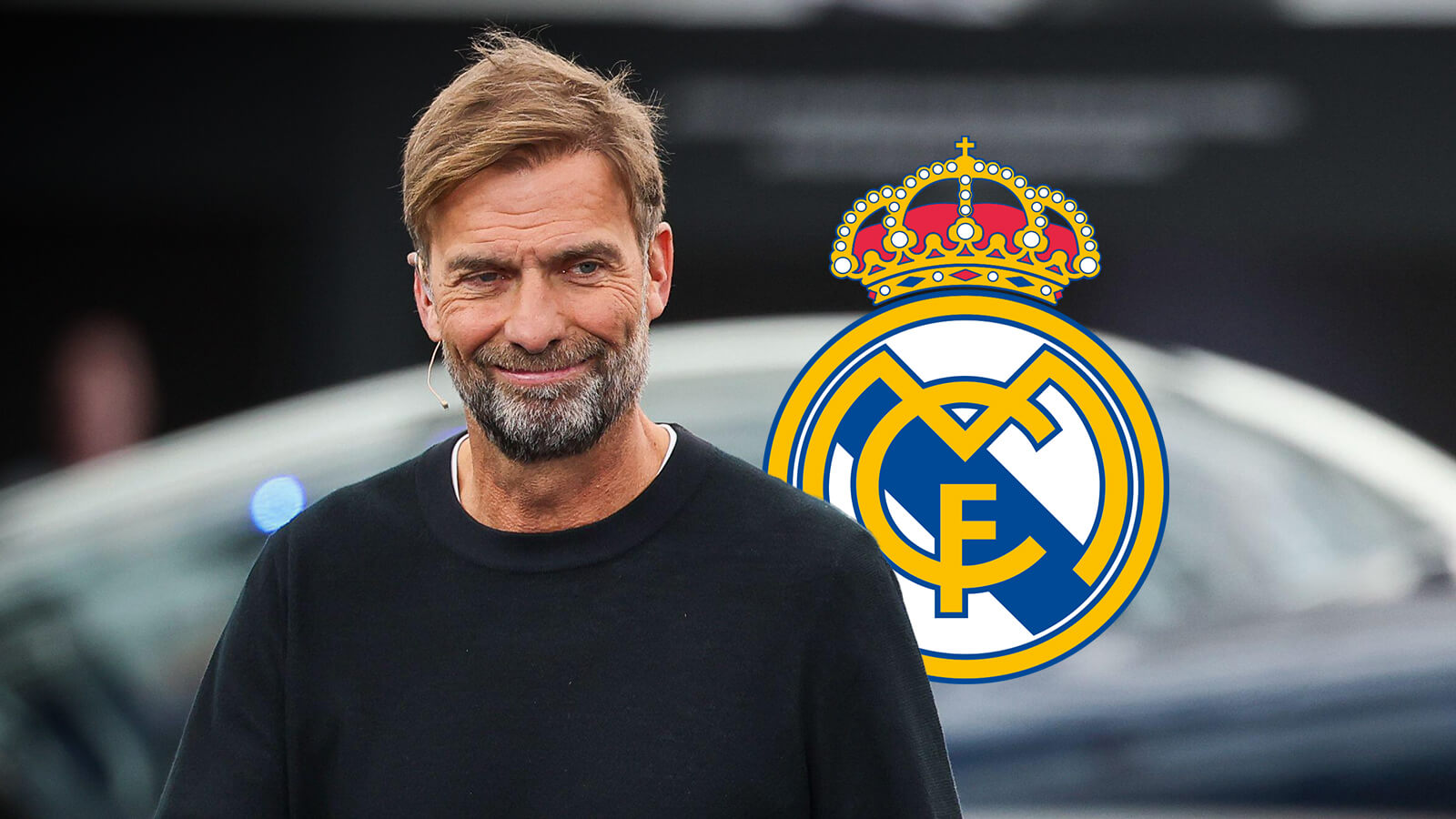
By separating the long-term vision (Sporting Director) from the short-term execution (Head Coach), clubs are attempting to avoid the volatility that comes with managerial changes. This structure, popularized by the German Bundesliga and recently adopted by several UEFA Champions League regulars, ensures that the club’s DNA remains intact regardless of who is sitting in the dugout.
Legal Minefields: The Battle for Player Image Rights
The threat of legal action from Manchester City over the use of Erling Haaland’s image in a political campaign highlights a growing tension in the industry: the ownership of the athlete’s brand.
In the modern era, a player is no longer just an employee; they are a corporate entity. The “shirt stunt”—holding up a jersey with a player’s name before a deal is signed—is no longer just a cheeky marketing ploy; it is a potential breach of contract and image rights legislation.
We are likely to see more stringent contracts that explicitly forbid clubs or candidates from using a player’s likeness for promotional purposes without prior written consent. This “legalization of the transfer saga” will make the traditional “tapping up” of players much more dangerous for the clubs involved.
The €150m Gamble: Hyper-Inflation and the ‘Trophy’ Player
The promise of a €150m bid for players like Michael Olise demonstrates the continuing trend of “hyper-inflation” in the transfer market. We are entering an era where certain players are viewed as “trophy assets”—acquisitions that serve as much to signal power as they do to improve the squad.
Data from recent transfer windows shows that the “premium” paid for players at elite clubs is often 30-50% above their actual market value, simply because of the prestige associated with the move. This creates a bubble that only a few “super-clubs” can sustain, further widening the gap between the elite and the rest of the league.
Key Trends Summary Table
| Trend | Old Approach | New Approach |
|---|---|---|
| Recruitment | Scouting & Analysis | Political Promises & Brand Power |
| Management | Tactical Specialist | Global Brand/Super-Manager |
| Image Rights | Club-controlled | Player-owned Corporate Entities |
Frequently Asked Questions
Can a presidential candidate actually force a player to join a club?
No. While a president can provide the funds and the desire, the player and their current club must agree to the terms. Promises made during elections are often “intentions” rather than guaranteed contracts.

Why are image rights so important in modern football?
Image rights allow players to earn money from endorsements independently of their club salary. When a club uses a player’s image without permission, they are essentially stealing potential revenue from the player’s personal brand.
What is the role of a Sporting Director compared to a Manager?
A manager handles the day-to-day training and match tactics. A Sporting Director manages the long-term squad building, scouting, and contract renewals to ensure the club doesn’t collapse when a manager leaves.
What do you think?
Would you prefer the tactical discipline of Jose Mourinho or the high-energy philosophy of Jurgen Klopp at the helm of Real Madrid? Does the “Galactico” promise still work in 2024?
Join the conversation in the comments below or subscribe to our newsletter for more deep dives into the business of football!