
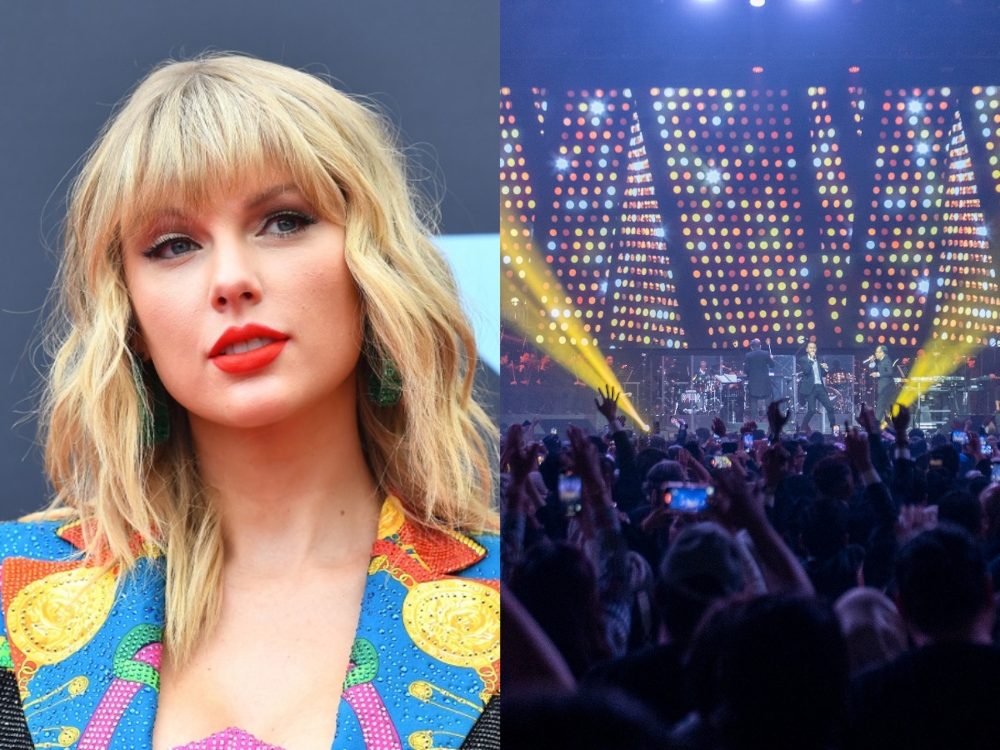
How Taylor Swift’s Eras Tour helped Malaysia rethink concerts as a billion-ringgit opportunity
Beyond the Encore: The Rise of the ‘Concert Economy’ and What it Means for Southeast Asia
For decades, a concert was seen as a one-night event—a few hours of music, some merchandise sales, and a crowd heading home. But the landscape has shifted. We are now entering the era of the “Concert Economy,” where a single stadium tour can move the needle on a country’s GDP.
The phenomenon, famously dubbed “Swiftonomics” after Taylor Swift’s record-breaking tour, has proven that A-list artists are no longer just performers; they are economic catalysts. From hotel occupancy spikes to a surge in regional flight bookings, the ripple effect of a mega-concert is felt far beyond the stadium walls.
The New Playbook: Incentives and ‘Event Tourism’
Governments are no longer waiting for artists to choose their cities; they are actively bidding for them. The shift from passive hosting to aggressive recruitment is the most significant trend in the live entertainment sector.

Malaysia’s introduction of the Concerts and Events in Malaysia Incentive (CEMI) is a textbook example of this strategy. By offering cash rebates of up to 30% on local qualifying expenditures, the government is essentially subsidizing the risk for international promoters.
This “incentive war” is likely to intensify. You can expect more countries to offer “exclusivity deals”—similar to the reports of Singapore offering millions to ensure a star doesn’t play in neighboring cities. The goal is simple: capture 100% of the regional fan spending in one location.
Moving Toward ‘Stadium-Level’ Ecosystems
The focus is shifting toward high-impact, “stadium-level” events (typically 15,000+ attendees). These events create a critical mass that forces an entire city’s infrastructure to pivot. When 50,000 fans descend on a city, they don’t just buy a ticket; they buy:
- Premium Lodging: Luxury hotels and Airbnbs often see 80-90% occupancy rates.
- Themed Retail: Local businesses now create “experience packages” and themed merchandise to capitalize on the fandom.
- Transport Surges: From budget airlines to ride-sharing apps, the logistics chain sees a massive temporary spike in demand.
For more on how cities are adapting, check out our guide on the evolution of urban tourism hubs [Internal Link].
The ‘Halo Effect’: How Secondary Cities Win
One of the most fascinating trends is the “spillover effect.” When a primary hub like Singapore or Kuala Lumpur hosts a massive event, secondary cities often reap the rewards.
Take the case of Johor Bahru. During the Eras Tour, many fans opted to stay in Johor due to lower costs, commuting across the Causeway to the venue. This transformed a transit point into a strategic lodging hub, benefiting local F&B outlets and shopping malls.
In the future, we will likely see “Concert Corridors”—coordinated tourism packages where fans stay in one city and visit another for the show. This distributes the economic wealth more evenly across a region rather than concentrating it in a single capital city.
Sustainable Growth: Investing in Local Talent
The long-term success of the concert economy isn’t just about bringing in foreign stars; it’s about building local capacity. A major trend is the mandate for “local-spend quotas.”
Malaysia’s CEMI requires that at least 30% of production crews be Malaysian. This is a strategic move to ensure that the technical know-how—lighting, sound engineering, and stage management—stays within the country.
By forcing international promoters to hire locally, countries are effectively using global superstars as “training academies” for their domestic workforce. This ensures that when the A-listers leave, the infrastructure and expertise remain to support local artists.
The Digital Integration of Live Events
As we look forward, the integration of data will be key. We are moving toward “Smart Concert Tourism,” where booking platforms like Traveloka or Agoda integrate ticket sales with hotel and transport bundles in real-time.
Imagine a world where your concert ticket automatically triggers a discounted hotel offer in a nearby city or a curated itinerary of “fan-favorite” cafes. This level of hyper-personalization will increase the average spend per visitor, further boosting the economic multiplier.
For a deeper dive into the economics of live events, refer to the World Tourism Organization [External Link] reports on event-driven travel.
Frequently Asked Questions
What is ‘Swiftonomics’?
Swiftonomics refers to the massive economic impact generated by Taylor Swift’s tours, characterized by huge spikes in tourism, hotel bookings, and retail spending in the cities she visits.
How do government incentives like CEMI work?
CEMI provides cash rebates (up to 30%) to event organizers who bring high-impact international acts to Malaysia, provided they meet specific criteria like attendee count and local hiring quotas.
Why do some fans stay in different cities than the concert venue?
This is usually due to “price gouging” or extreme demand in the host city, leading fans to seek budget-friendly alternatives in nearby secondary cities and commute to the event.
Does this trend benefit local artists?
Yes, indirectly. By improving venue management and requiring the use of local crews, the overall quality of live production in the country rises, benefiting local acts who use the same infrastructure.
Join the Conversation
Do you think government subsidies for concerts are a smart investment or a waste of taxpayer money? Which global artist would bring the biggest economic boost to your city?
Let us know in the comments below or subscribe to our newsletter for more industry insights!