
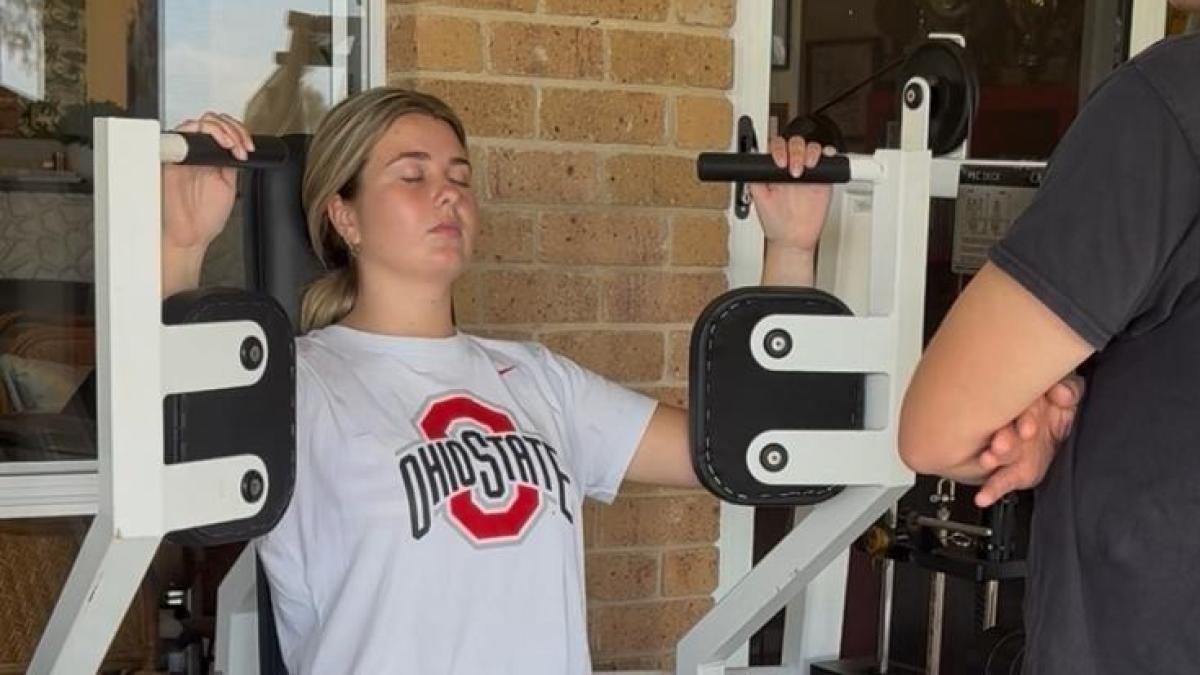
Recovering from Septic Shock: Tess’s Journey to Hope
Tess, a former physical education student, is working toward recovery three years after surviving a septic attack at age 18. After years of battling chronic nausea and overstimulation that left her primarily bedbound, a new special therapy is providing a breakthrough, allowing her to feel less sick and increase her daily activities.
How a septic attack changed Tess’s life
At 18 years old, Tess was described as “top fit” while studying at the Academy for Physical Education (ALO). That changed when she suffered a septic attack that required a stay in the Intensive Care Unit (ICU).
Tess initially believed her recovery would take about a month. However, three years later, she remains far from her previous state of health.
Why the long-term recovery process is so difficult
The aftermath of the attack has been grueling. Tess has struggled with continuous nausea and overstimulation, which has forced her to spend most of her time in bed.
These symptoms have stripped away her normal life. She is unable to attend her studies at the ALO or participate in social activities like going out.
What may happen next for Tess
A documentary team—including documentary maker Jaimy van der Meer, director Rob Prass, and producer Angélica Baltus—has been filming Tess’s journey. Their work captures a turning point as Tess begins a special therapy.
This therapy could lead to further improvements in her quality of life. Tess has already reported feeling less sick and is now able to accomplish more tasks within a single day.
If this progress continues, it may be possible for Tess to gradually regain more of her independence. While she has struggled with tears and doubt, the current results suggest a possible path toward more consistent stability.
Frequently Asked Questions
What was Tess’s health status before the septic attack?
Tess was “top fit” and was a student at the Academy for Physical Education (ALO).

What symptoms has Tess experienced during her three-year recovery?
She has dealt with continuous nausea and overstimulation, which has left her primarily bedbound and unable to attend school or go out.
Is Tess seeing any improvement in her condition?
Yes, through a special therapy, she is booking cautious progress, reporting that she feels less sick and can do more things during the day.
How does the prospect of a slow, non-linear recovery change the way we think about medical success?