
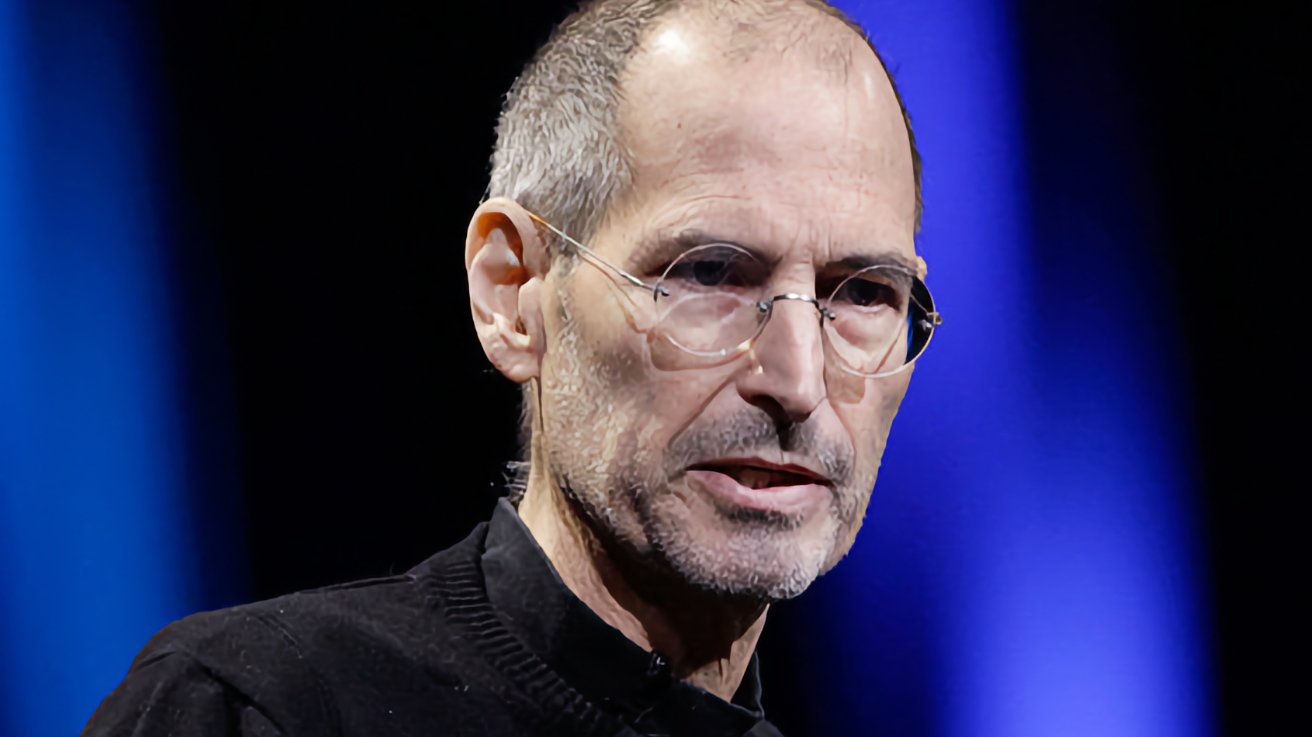
Steve Jobs’s last Apple event
The future of seamless cloud ecosystems is shifting from passive synchronization to predictive, AI-driven anticipation. While Steve Jobs’ 2011 launch of iCloud ended the era of physical cables and manual syncing, the next phase integrates “ambient computing,” where data doesn’t just follow the user across devices but anticipates their needs before a request is even made.
When Steve Jobs stood on the WWDC stage in June 2011, he wasn’t just selling a storage service. He was correcting a disaster. The previous attempt, MobileMe, had been a public failure that Jobs famously described as “tarnishing Apple’s reputation.” iCloud succeeded because it made the cloud invisible. It turned the “soul” of the software into a silent utility.
Today, we take for granted that a photo taken on an iPhone appears instantly on a Mac. But the industry is hitting a ceiling with simple synchronization. The next frontier isn’t about moving files; it’s about moving intelligence.
Where is the “Seamless Ecosystem” heading next?
The “walled garden” approach pioneered by Apple is evolving into what analysts call ambient computing. In this model, the device itself becomes secondary to the service. We are moving away from “opening an app” toward “requesting a result.”
According to industry trends observed in recent Google I/O and Apple Intelligence announcements, the goal is a cross-device state of “persistence.” This means your workflow doesn’t just sync; it migrates. If you’re researching a trip on a desktop, your car’s dashboard or your smart glasses should already have the itinerary ready as you leave the house, without you triggering a manual sync.
Will AI replace the cloud as we know it?
We are seeing a transition from Cloud Storage to Cloud Intelligence. For a decade, the cloud was a digital filing cabinet. Now, it’s becoming a reasoning engine.
Consider the difference between iCloud in 2011 and the integration of Large Language Models (LLMs) today. In 2011, iCloud stored your emails. In the near future, the cloud will summarize those emails, cross-reference them with your calendar, and draft responses based on your historical tone—all happening in the background.
This shift relies on “Edge Computing.” Instead of sending every bit of data to a massive server farm (which creates latency), more processing is happening on the device. This solves the privacy concerns that have plagued cloud services since the early 2010s. By processing data locally but syncing the “learnings” to the cloud, companies can offer the “it just works” experience without compromising user security.
Can the “It Just Works” philosophy survive open ecosystems?
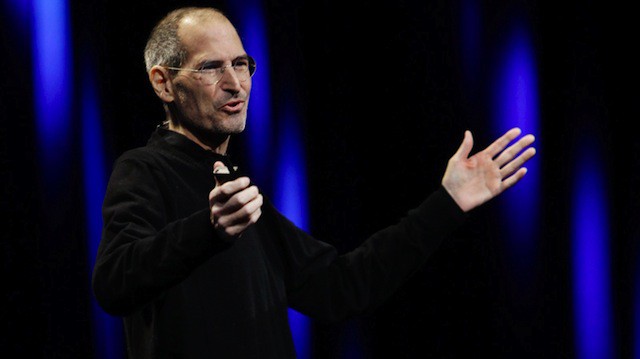
Jobs’ vision was built on total control. By owning the hardware (iPhone), the software (iOS), and the service (iCloud), Apple eliminated the friction that kills user experience. This is the “vertical integration” model.
However, the future trend is moving toward “Interoperability.” The European Union’s Digital Markets Act is already forcing tech giants to open up their ecosystems. The challenge for the next generation of engineers is: how do you make a service “just work” when it has to run across an Apple Watch, a Windows PC, and a Samsung fridge?
The answer lies in standardized APIs and AI translation layers. We are seeing the rise of “platform-agnostic” clouds. Services like Google Workspace and Microsoft 365 have already proven that productivity can be seamless across different hardware, provided the software layer is dominant.
What happens to data privacy in an invisible cloud?
The more “invisible” the technology becomes, the more trust it requires. In 2011, the concern was whether your photos would upload. Today, the concern is whether an AI is “reading” those photos to build a behavioral profile.
The trend is shifting toward Zero-Knowledge Encryption. This is a system where the service provider (like Apple or Dropbox) holds the data, but only the user holds the key. If the company is hacked, the data is useless to the intruder. As we move toward more integrated AI, this level of encryption will be the only way to maintain the trust that Jobs spent years building.
Comparison: The Evolution of Integration
| Era | Primary Method | User Experience | Key Example |
|---|---|---|---|
| Pre-2011 | Physical Sync (Cables) | Manual & Fragile | iTunes Sync |
| 2011-2020 | Passive Cloud Sync | Invisible & Automatic | iCloud / Dropbox |
| 2024+ | Predictive AI Integration | Anticipatory & Ambient | Apple Intelligence / Gemini |
Frequently Asked Questions
Does “seamless integration” always mean less privacy?
Not necessarily. While more data collection is required for AI to be predictive, technologies like on-device processing and end-to-end encryption allow for a seamless experience without sending private data to a central server.
Why was MobileMe considered such a failure compared to iCloud?
MobileMe suffered from severe reliability issues and a confusing setup process. It failed the “it just works” test, whereas iCloud was built to be a background utility that required almost zero configuration from the user.
Will we eventually stop using “files” and “folders” entirely?
The trend suggests yes. We are moving toward “object-based” data. Instead of searching for a file in a folder, you will ask an AI for “the document where I discussed the budget,” and the system will retrieve the specific data regardless of where it is stored.
Is your digital life actually seamless?
We want to hear from you. Are you sticking to one ecosystem for the convenience, or are you mixing and matching brands for better freedom? Let us know in the comments below or subscribe to our newsletter for more deep dives into the future of tech.