
Regional Heatwave Alert: Forecast and Essential Cooling Tips
Regional heatwaves are defined by five consecutive days of 25°C or warmer, with at least three days surpassing 30°C. Current forecasts for the Ukkel region predict a peak of 35°C, accompanied by high UV indices and potential thunderstorms, reflecting a trend toward more volatile “tropical” weather spikes in Northern Europe.
How is a regional heatwave officially defined?
A heatwave isn’t just a few hot days. According to regional meteorological standards, the criteria require a specific sequence: temperatures must remain at or above 25°C for five straight days, and three of those days must climb above 30°C.
There’s a distinction between a “regional” heatwave and an “official” one. While several areas in a region might hit these marks, official status often depends on a specific primary station—such as the weather station in Ukkel. If the regional temperatures spike but the official station doesn’t, the event isn’t formally recorded as a heatwave, even if the public feels the heat.
What happens when temperatures reach 35°C?
When the mercury hits 34°C or 35°C, the risk of heat-related illness increases. Health guidelines recommend seeking shade and increasing water intake to prevent dehydration. High temperatures often coincide with a high UV index, which accelerates skin burns.
The data shows a pattern where extreme heat creates atmospheric instability. According to the current forecast, the warmest day—Friday—carries a high probability of thunderstorms. These storms often act as a pressure valve for the accumulated heat, though they bring unpredictable amounts of precipitation.
Immediate health protections
- Hydration: Drink water consistently, even if you don’t feel thirsty.
- Sun Protection: Use high-SPF sunscreen to combat the high UV index.
- Cooling: Keep doors and windows closed during the hottest part of the day to trap cooler air inside.
Why are tropical weather spikes becoming more common?
The shift toward “tropical” conditions—defined here as temperatures hovering around 30°C—is part of a broader trend observed by the Copernicus Climate Change Service. Northern Europe is seeing more frequent “heat domes,” where high-pressure systems trap hot air over a region for extended periods.
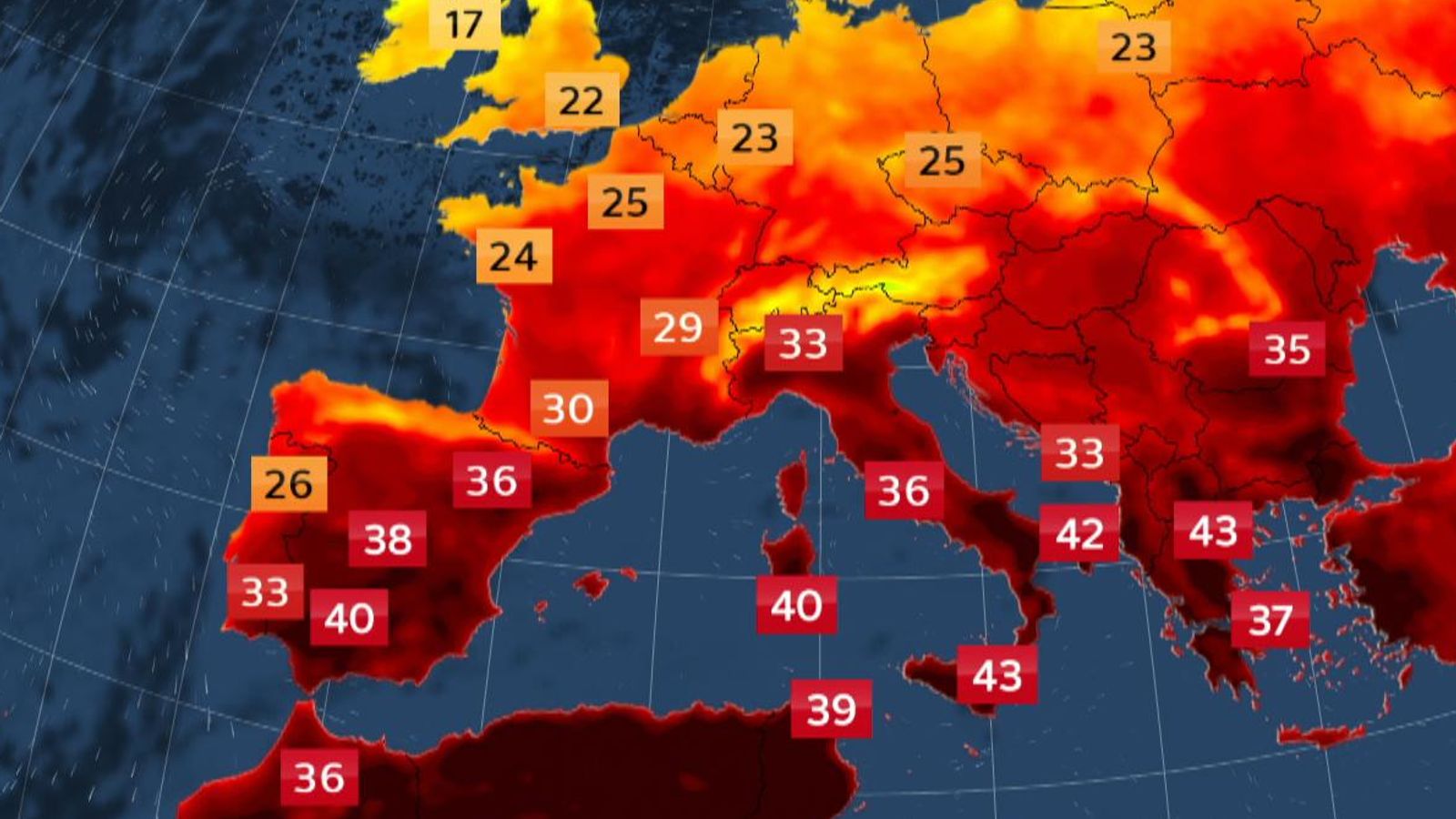
This creates a contrast in weather volatility. We’re seeing a move from steady, mild summers to a cycle of “cool” days (22-25°C) followed by abrupt spikes to 35°C. This volatility makes it harder for the human body and urban infrastructure to adapt.
How can cities adapt to extreme heat?
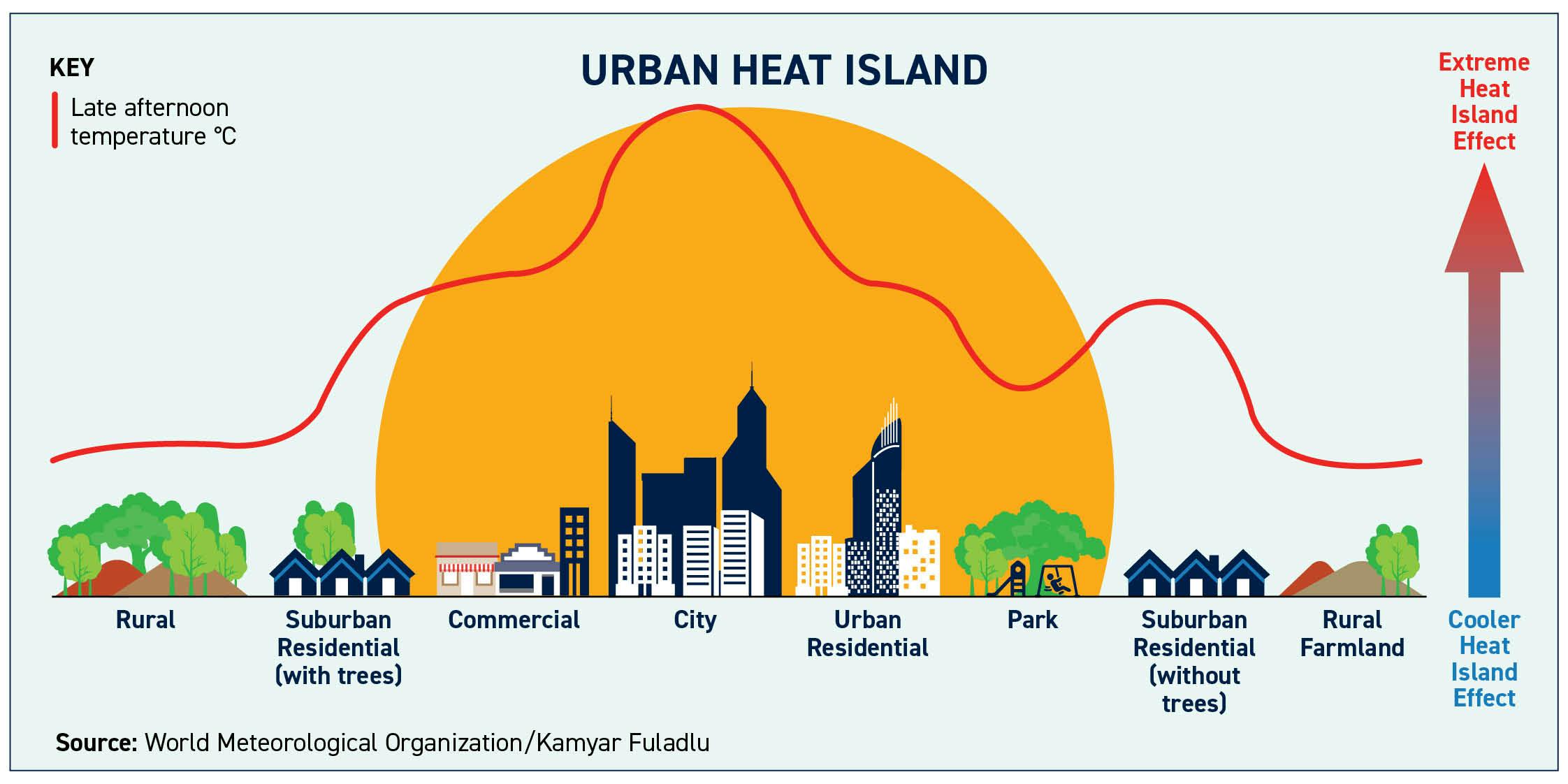
Keeping windows closed is a short-term fix, but long-term trends point toward “green infrastructure.” Cities are increasingly replacing asphalt with permeable, light-colored materials to reduce heat absorption.
According to urban planning data, increasing the canopy cover (planting more trees) can lower surface temperatures by up to 10°C in specific hotspots. This is a critical shift as the gap between regional temperatures and official station readings narrows during extreme events.
Comparing Heatwave Indicators
| Metric | Regional Forecast | Official Standard |
|---|---|---|
| Peak Temp | 34°C – 35°C | Variable by station |
| Duration | 5+ days $ge$ 25°C | Strict 5-day window |
| Intensity | 3 days $> 30^circtext{C}$ | 3 days $> 30^circtext{C}$ |
Frequently Asked Questions
What is the difference between a heatwave and tropical weather?
“Tropical weather” generally refers to temperatures around 30°C. A “heatwave” is a formal meteorological event requiring a specific duration (5 days) and intensity (3 days over 30°C) to be officially recognized.
Why do thunderstorms happen during heatwaves?
Extreme heat causes moisture to evaporate quickly and air to rise rapidly. When this hot, moist air meets cooler layers in the atmosphere, it triggers the formation of cumulonimbus clouds and thunderstorms.
Should I keep my windows open or closed during a heatwave?
Keep them closed during the day to block out the heat. Open them late at night or very early in the morning to let cool air circulate through the building.
For more tips on staying safe during extreme weather, check out our guide on urban cooling strategies or subscribe to our newsletter for real-time weather alerts.
How are you handling the heat this week? Share your best cooling tips in the comments below.