
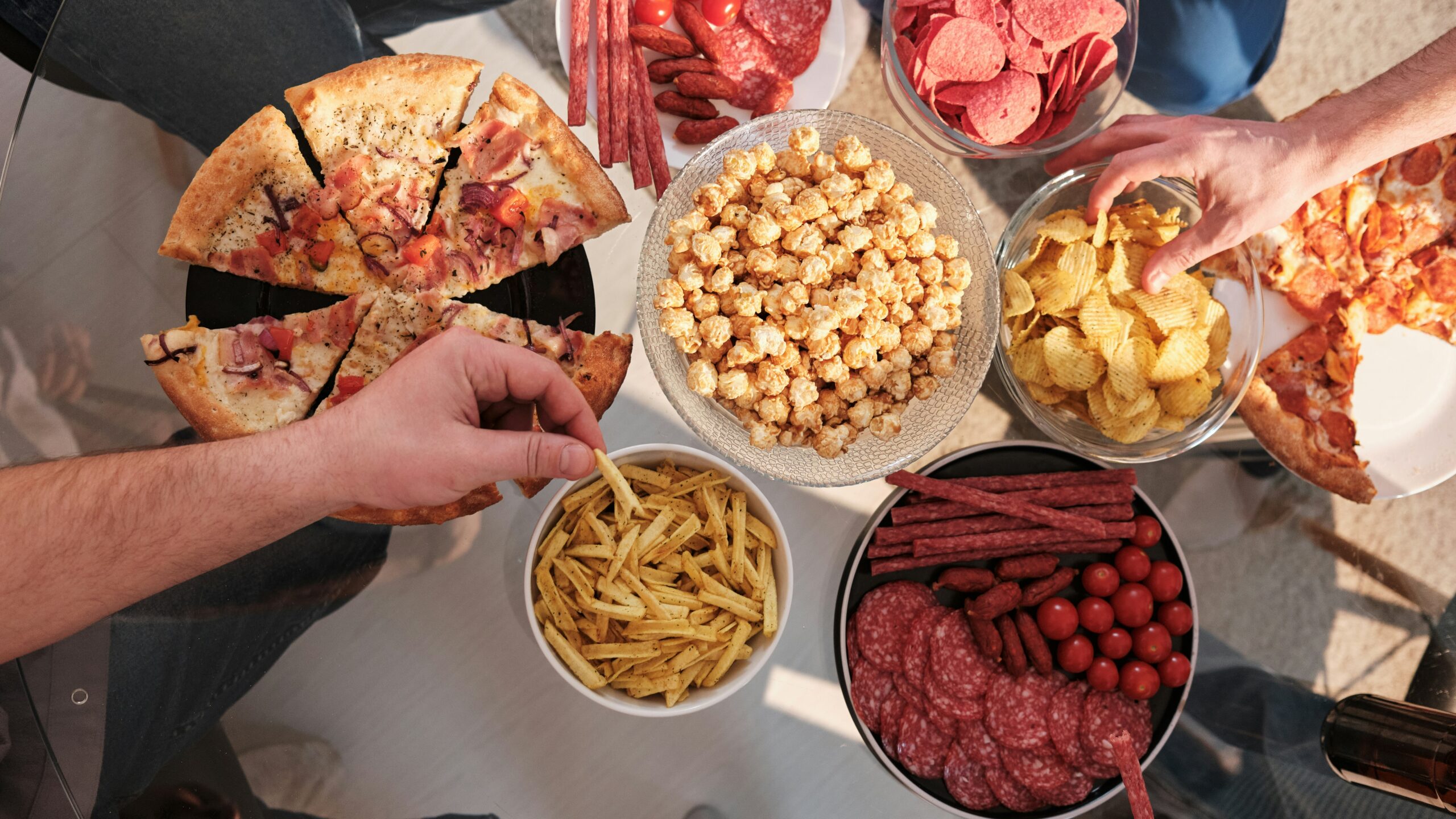
Researchers call for urgent new policies to rein in ultra-processed foods
A collection of research papers published this week in the American Journal of Public Health has drawn a direct line between the modern food industry and the corporate strategies once employed by “Big Tobacco.” The findings suggest that the widespread consumption of ultra-processed foods (UPFs) is not an accident of the market, but the result of a deliberate playbook designed to encourage addictive patterns of overconsumption.
The research, which includes five studies on health impacts and two studies analysing the influence of tobacco-owned food companies, argues that large corporations have manipulated food contents using tactics originally perfected for nicotine products. Researchers assert that these products are engineered to promote compulsive intake, contributing to a global health crisis linked to 2.3 million deaths.
The Tobacco-Food Connection
Nicholas Chartres, a researcher at the University of Sydney and the Center to End Corporate Harm at the University of California – San Francisco, notes that the evidence regarding the health harms of UPFs is unequivocal. According to the papers, these foods have been reformulated to mirror the patterns of intake observed in nicotine dependence, utilizing a “cocktail of chemicals” that the industry frequently downplays.

The implications of this corporate strategy are significant. Beyond the individual health risks—which include increased rates of cancer, diabetes, dementia, and metabolic syndrome—the research highlights that the production of these goods also contributes to environmental degradation, including pollution and biodiversity loss.
Policy and Public Response
In response to these findings, scientists and public health advocates have launched a “science-first” education movement known as Fed UP!. The movement aims to expose how the food environment is engineered to prioritize profits over public health. Simultaneously, there is a growing push for structural policy changes, including the implementation of warning labels, marketing restrictions, and new taxes on ultra-processed items.
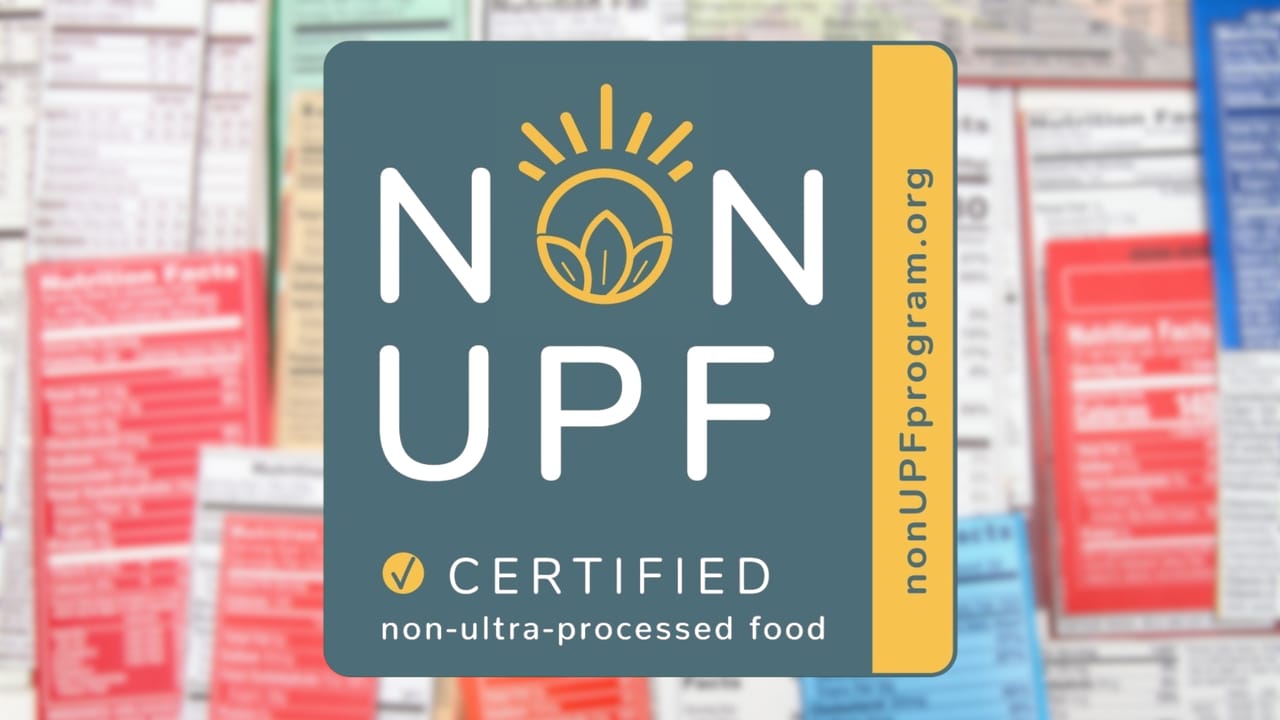
Legislative efforts are already underway in various parts of the country. In California, the State Assembly recently passed a measure to create a “Non-Ultraprocessed Certified” seal, and the state has mandated a ban on ultra-processed foods in school meals by 2035. Across the U.S., lawmakers have introduced over 100 bills targeting synthetic dyes, chemicals, and sugary beverages.
What Comes Next?
As the “Make America Healthy Again” (MAHA) movement gains momentum, the influence of these findings could shape the trajectory of national dietary guidelines. With Health and Human Services Secretary Robert F. Kennedy Jr. And USDA Secretary Brooke Rollins having already called for a dramatic reduction in highly processed foods, further federal action may be on the horizon.
Industry leaders, represented by the Consumer Brands Association, continue to challenge the narrative, arguing that such restrictions could increase costs, limit consumer choice, and threaten jobs. As the gap between public health advocates and industry groups widens, the battle over the definition and regulation of ultra-processed foods is likely to intensify in both state legislatures and federal agencies.
Frequently Asked Questions
What are the primary health risks associated with ultra-processed foods?
Research indicates that high consumption of these foods is associated with increased risks of cancer, diabetes, dementia, and metabolic syndrome.

How does the food industry respond to criticisms of ultra-processed products?
The Consumer Brands Association argues that food processing is not inherently harmful and that companies follow rigorous FDA safety standards. They contend that new restrictions may lead to higher prices, food waste, and reduced access to essential nutrients.
What policy changes are being proposed to address the consumption of ultra-processed foods?
Proposals include implementing warning labels, restricting marketing to children, banning certain chemicals, and introducing taxes on sugary beverages and ultra-processed products.
How much do you consider the level of food processing when making your daily grocery choices?