
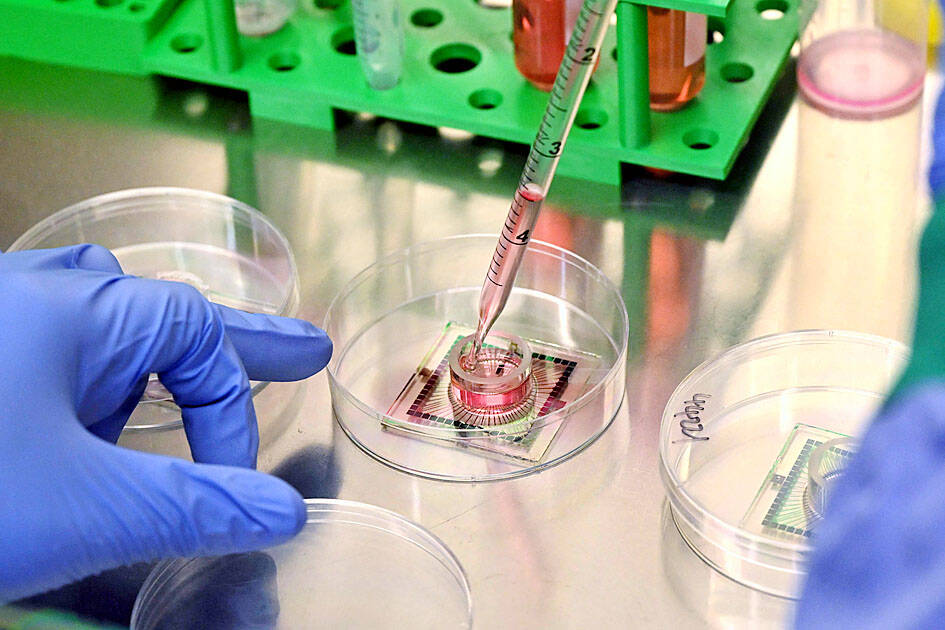
Researchers teach lab-grown brain cells to play ‘Doom
Beyond Silicon: When Biology Becomes the Processor
For decades, the trajectory of computing has been clear: make it smaller, make it faster, and pack more transistors onto a silicon wafer. But we are hitting the physical limits of Moore’s Law. Enter the world of “wetware”—a fusion of human biology and digital architecture that is turning the sci-fi dream of biological computing into a tangible, playing-Doom reality.
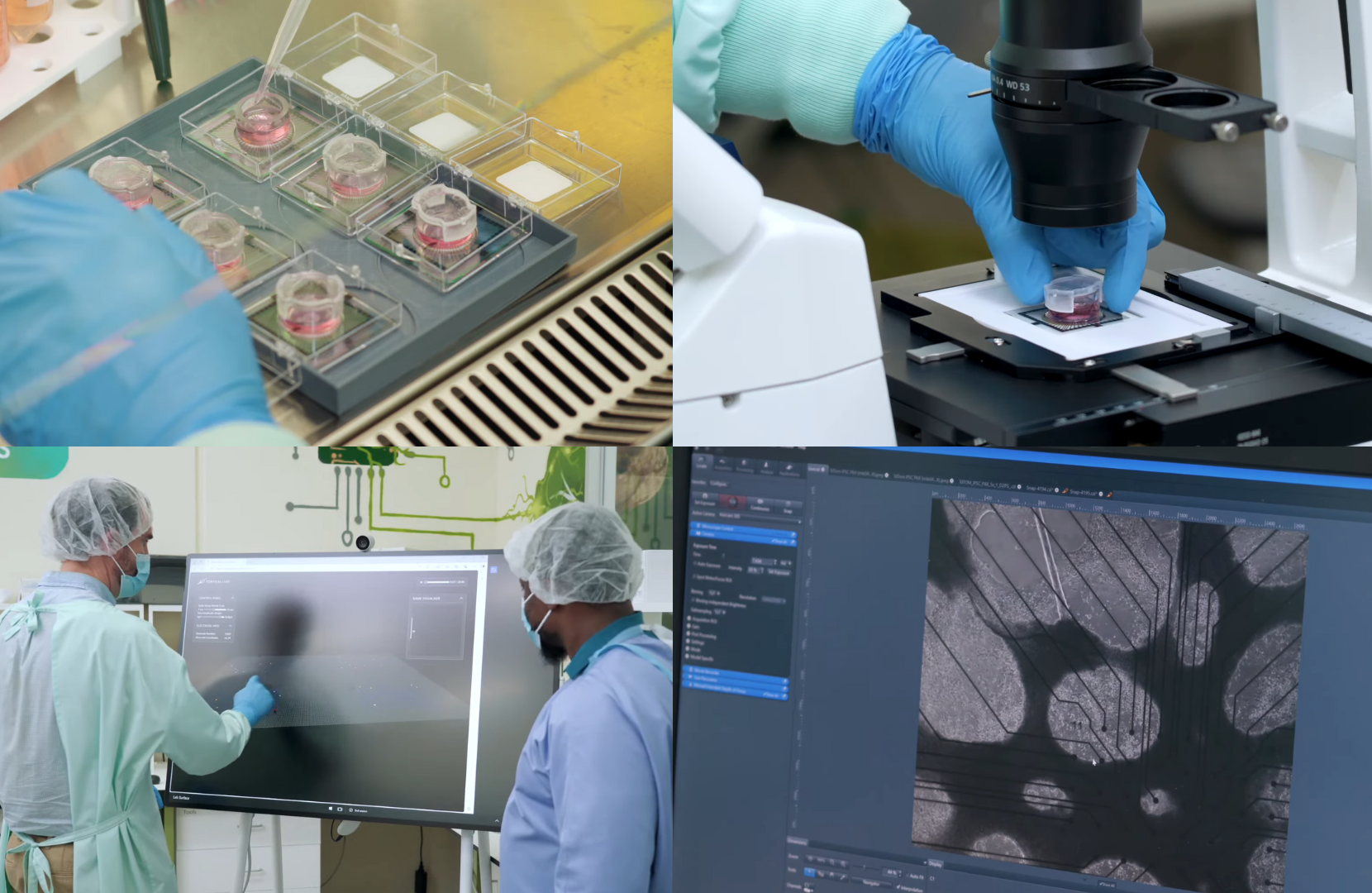
Researchers at Cortical Labs have successfully trained a cluster of 200,000 lab-grown human neurons to play the 1990s classic Doom. By converting the game’s environment into electrical signals on a specialized chip called the CL1, these neurons have learned to navigate, target enemies, and adapt to stimuli. This isn’t just a parlor trick; it is a glimpse into the future of synthetic biology.
The human brain operates on roughly 20 watts of power—about the same as a dim lightbulb. By comparison, supercomputers training large AI models often require megawatts of electricity, highlighting the massive efficiency gap between silicon and biology.
The Efficiency Revolution: Why Biology Outperforms Silicon
Modern AI is power-hungry. As we push toward AGI (Artificial General Intelligence), the energy costs of training neural networks on traditional hardware are becoming unsustainable. Biological intelligence offers a different path. Because neurons are naturally efficient at processing messy, real-world data, they don’t require the massive data centres currently needed to power machine learning.

Potential Industry Disruptions
- Drug Discovery: Instead of computer simulations, biological chips could test how human tissue reacts to new pharmaceuticals in real-time, drastically reducing the time and cost of clinical trials.
- Personalized Medicine: Researchers could grow neurons from a patient’s own stem cells to model specific diseases, allowing for bespoke treatment plans tailored to an individual’s genetic makeup.
- Sustainable Robotics: Integrating biological controllers into robotics could lead to machines that learn from their environment with a fraction of the energy consumption of current robotic AI.
Bridging the Gap: How We Teach Cells to Think
The process of training neurons is remarkably similar to training a toddler. The CL1 chip acts as a bridge, translating digital inputs into electrical patterns that the neurons can perceive. When the “brain” performs a correct action, the system provides a “reward” signal. Through goal-directed learning, the cells refine their behavior over time.
Keep an eye on the “Organoid Intelligence” (OI) field. This is the official scientific term for the emerging discipline of using 3D cultures of brain cells to perform computational tasks. It is expected to be one of the most heavily funded areas of biotech in the coming decade.
The Ethical and Technical Road Ahead
While the prospect of living computers is exciting, it brings significant challenges. Currently, these neural cultures have a limited lifespan of about six months. Achieving consistent, programmable results remains difficult. Critics and ethicists are also rightfully asking questions about the moral status of neural clusters that exhibit signs of learning and intelligence.
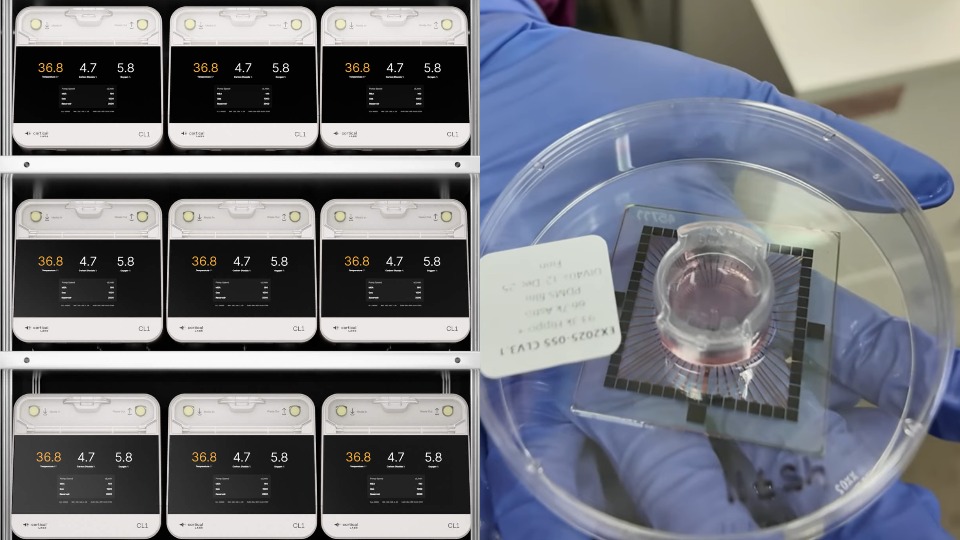
Despite these hurdles, industry experts like William Keating, CEO of Ingenuity, emphasize that this is “real science.” As we refine our ability to interface with living tissue, we are not just building better computers; we are fundamentally redefining what a computer can be.
Frequently Asked Questions
- Will biological computers replace silicon chips?
- Likely not. Instead, they will likely act as co-processors for specific tasks where biological efficiency and real-time adaptation are superior to traditional logic gates.
- Are these “brains” sentient?
- No. These are simplified clusters of neurons (organoids) designed for specific tasks. They lack the complex structural organization required for consciousness or sentience.
- How long until this technology is commercially available?
- We are in the early experimental stages. While lab-based applications are happening now, commercial-scale integration is likely years, if not a decade, away.
What do you think? Is the future of computing biological, or are we flirting with a technology we don’t fully understand? Share your thoughts in the comments below, or subscribe to our weekly tech briefing for more deep dives into the future of computing.