

Revolutionary War Soldier Identified via DNA 250 Years Later
DNA analysis has identified Pvt. John Pumphrey, a Revolutionary War soldier killed at the 1780 Battle of Camden. According to FHD Forensics, Pumphrey is likely the oldest “John Doe” ever identified using genetic genealogy, following the discovery of his remains in a shallow South Carolina grave by University of South Carolina archaeologists.
How was Pvt. John Pumphrey identified?
FHD Forensics identified Pumphrey by matching genome sequencing results with historical genealogy records. President Allison Peacock stated her team used three different types of DNA analyses to cross-check the results.
The process yielded approximately 20,000 matches for modern relatives. Nancy White, a 71-year-old resident of Maryland’s Eastern Shore, was identified as Pumphrey’s fourth great niece.
White described the discovery as “absolutely a miraculous discovery.” She and hundreds of other respondents collaborated by sharing family trees and retrieving tax records from archives to confirm the identity.
What was the military history of John Pumphrey?
Pumphrey enlisted as a teenager in January 1777 with the 7th Maryland regiment of the Continental Army. Records indicate he fought in the battles of Germantown and Brandywine in Pennsylvania, as well as the battle of Monmouth in New Jersey.
He spent two winters at Morristown and Valley Forge before deploying to the South. According to Rick Wise, executive director of the South Carolina Battleground Preservation Trust, Pumphrey survived several major engagements before the Battle of Camden in August 1780.
Pumphrey was killed by a British musket ball during a British bayonet charge. Wise noted that while some American militia retreated, Pumphrey’s unit was outnumbered and stayed to fight.
Why were the Battle of Camden graves so shallow?
University of South Carolina public archaeologist James Legg and colleague Steve Smith uncovered 14 sets of remains during an excavation. Legg reported that some remains were actually sticking out of the ground.
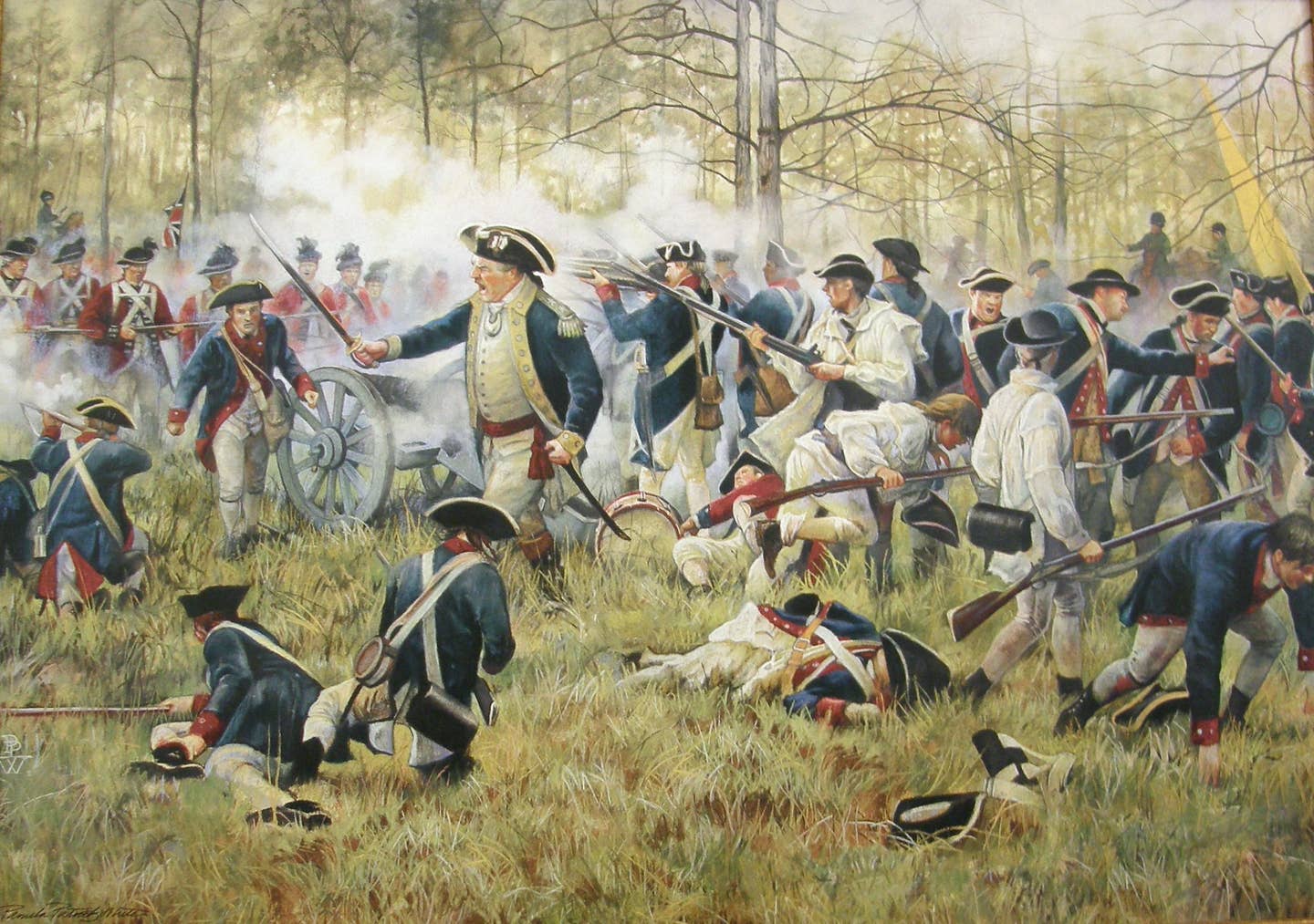
Rick Wise stated the graves were likely dug by Continental prisoners of war captured by the British. Because the prisoners lacked shovels, they likely used their fingers, hands, or sticks to loosen the earth.
Nancy White noted that Pumphrey’s enlistment was unusual because his family branch were Quakers, a group known for pacifism. White believes Pumphrey, who was orphaned as a child, may have viewed the army as his home, leading him to re-enlist.
What happens next for the Camden remains?
The remains of the 14 soldiers were removed for study and analysis. They are scheduled for reburial in a ceremony, with plaques used to identify them, as seen on March 30, 2023, in Columbia, South Carolina.
Allison Peacock is currently working to track down relatives for a second set of remains found at the site. Peacock discovered she is personally related to this second soldier through her own DNA kit.
Future identifications may depend on further collaboration with genealogical databases and the willingness of descendants to share family records.
Frequently Asked Questions
Who was Pvt. John Pumphrey?
He was a soldier in the 7th Maryland regiment of the Continental Army who fought in the Revolutionary War and was killed at the Battle of Camden in 1780.
How many soldiers were found at the site?
Archaeologists James Legg and Steve Smith uncovered a total of 14 sets of remains.
Why is this identification significant?
According to Allison Peacock of FHD Forensics, Pumphrey is likely the oldest John Doe ever identified using genetic genealogy.
Do you believe genetic genealogy will eventually identify most unknown soldiers from the Revolutionary War?