
River in the Sky’: China’s doomed plan to create a ‘cloud seeding corridor’ tells us how far the country will go to solve its climate crisis
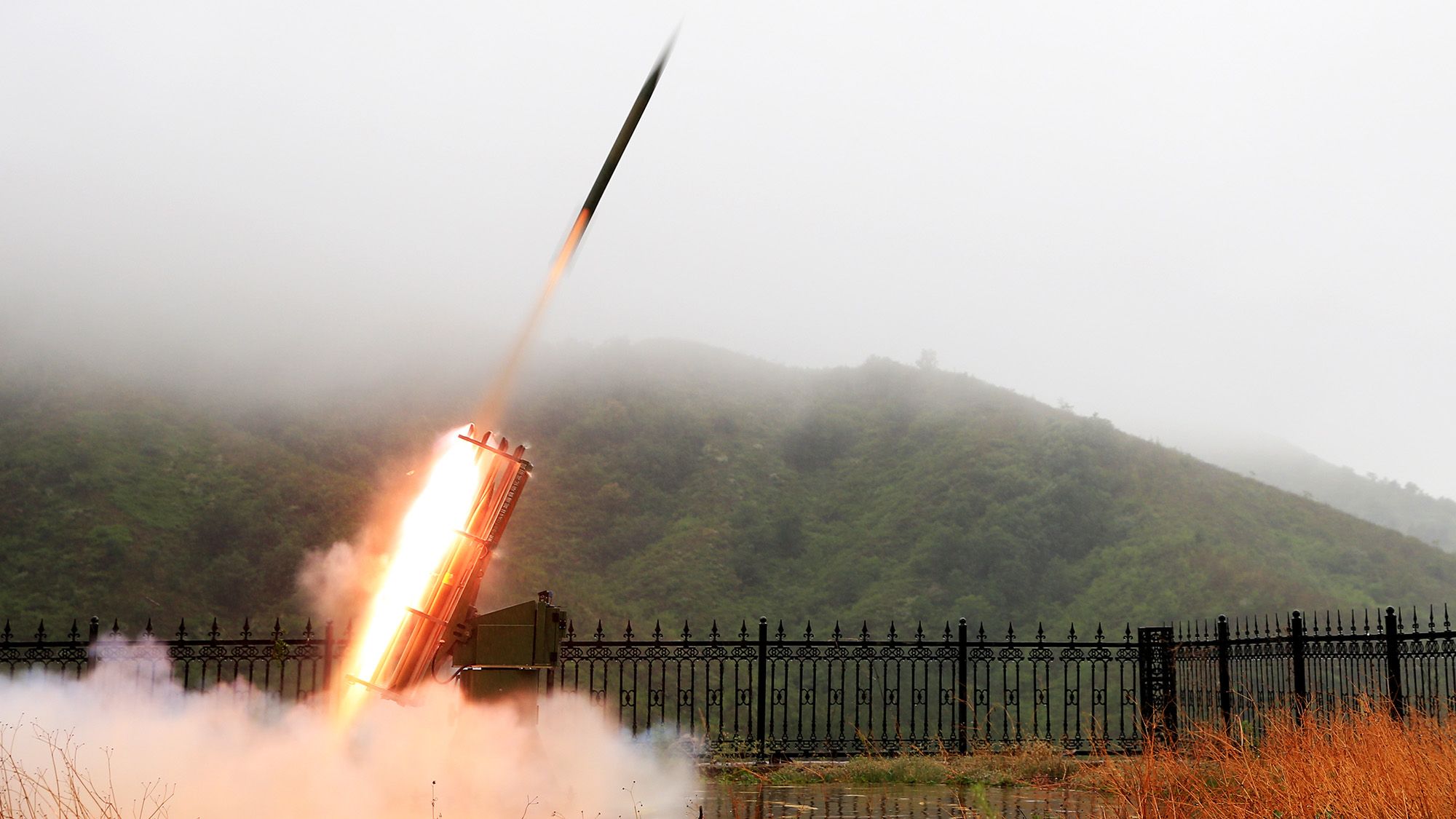
China is currently operating the world’s largest weather modification program, employing approximately 50,000 people and utilizing thousands of rocket launchers to seed clouds across the country. The initiative aims to alleviate water scarcity, manage droughts, and clear pollution, though experts remain divided on the long-term effectiveness and potential environmental consequences of such large-scale atmospheric intervention.
How Cloud Seeding Functions
Cloud seeding does not create rain from clear skies; instead, it accelerates the natural precipitation process in existing clouds. According to Rob Rauber, an atmospheric scientist at the University of Illinois Urbana-Champaign, every raindrop requires a particle to form, and seeding introduces these particles to speed up coalescence.
Techniques vary based on temperature. Jeff French, head of atmospheric science at the University of Wyoming, explains that hygroscopic seeding uses salts like sodium chloride to attract water in warmer clouds. Conversely, glaciogenic seeding uses silver iodide in colder, supercooled clouds to trigger ice crystal formation, which eventually falls as precipitation.
China famously utilized cloud seeding techniques to ensure clear skies for the 2008 Beijing Olympics, demonstrating the government’s long-standing use of weather modification for official events.
The Sky River Project and Scientific Criticism
In 2018, Chinese authorities announced the “Sky River” project, an ambitious effort to create an airborne water corridor across the Tibetan Plateau. The plan intended to divert moisture from the Yangtze River basin to the Yellow River basin to support water-scarce northern regions. However, the project faced immediate skepticism from the scientific community.

Hancheng Lu, a professor at the National University of Defense Technology, dismissed the initiative as an “absurd and fantastical project” lacking scientific or technological feasibility. By 2022, reports indicated the project was being significantly scaled back, and recent five-year plans from the Chinese government have omitted mention of it, leading experts to speculate it was quietly abandoned.
The pursuit of projects like Sky River reflects a broader governmental philosophy of viewing the environment as a machine to be managed. While cloud seeding can moderately increase precipitation in specific, targeted conditions, experts warn that it cannot eliminate droughts or replace natural water cycles, highlighting the risks of attempting to engineer climate systems.
What Might Happen Next
Future weather modification efforts in China likely depend on the country’s continued investment in large-scale atmospheric infrastructure. While there is no evidence that China is currently pursuing solar radiation management, researchers suggest that the country’s existing weather modification program could serve as a foundation for testing such technologies in the future.
However, atmospheric scientists caution that the physical limitations of cloud seeding remain significant. Because precipitation is highly localized, increasing rainfall in one area may have minimal impacts downstream, and large-scale, unilateral attempts to alter the climate could carry risks of suppressing vital weather patterns, such as the monsoon, which is essential to regional agriculture.
Frequently Asked Questions
Does cloud seeding actually work?
From a physical standpoint, experts like Jeff French confirm that cloud seeding works to increase precipitation efficiency. However, quantifying its total impact is difficult, and there is no evidence it can eliminate droughts on a regional level.
Why is the Tibetan Plateau important to this project?
The Tibetan Plateau is known as “Asia’s Water Tower” and serves as the source for major rivers supplying water to nearly 2 billion people. China has targeted this region for weather modification to redirect water to drier northern and eastern basins.
Are there international concerns regarding China’s weather modification?
Yes. Neighboring countries have expressed alarm, particularly regarding the potential for cloud seeding to disrupt monsoon rains or alter transboundary water flow. Experts note, however, that the amount of water in a storm system is generally far greater than what can be extracted through current seeding methods.
How should nations balance the need for water security with the potential risks of large-scale climate intervention?