
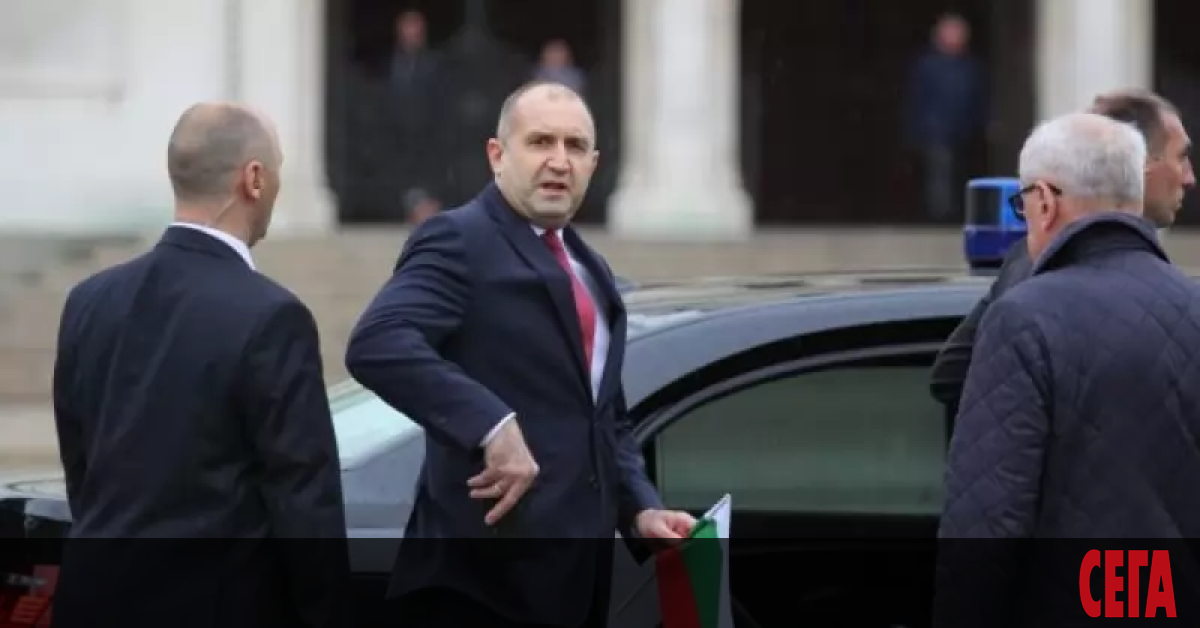
Rumen Radev’s Shadow Network: The Matrix of Political Appointments in Bulgaria
Rumen Radev’s personnel strategy focuses on placing close associates—specifically those within the “Plovdiv circle”—into high-impact security and financial roles. According to analysis of recent government appointments, this trend indicates a systematic effort to consolidate power within a loyalist network, effectively bypassing traditional institutional checks to maintain control over state intelligence and revenue agencies.
Why the “Plovdiv Connection” impacts state security
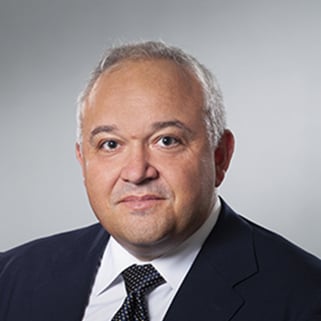
Control over the Ministry of Interior (MVR) and intelligence services often follows a regional pattern of loyalty. Reports show a distinct “Plovdiv link” within the MVR, where key figures like Interior Minister Ivan Demerdzhiev, a Plovdiv lawyer, and former MVR chief secretary Petar Todorov, a former Plovdiv regional director, have held sway. This regional clustering isn’t accidental; it’s a method of ensuring institutional reliability.
Plamen Uzunov, a former advisor to the president on legal issues and anti-corruption, exemplifies this trend. Uzunov, also linked to Plovdiv police circles, now serves as an advisor to the Prime Minister and secretary of the Interdepartmental Council for Defense Industry and Security of Supplies. Because this council coordinates defense exports and mobilization, Uzunov effectively holds a gatekeeper role for arms trade in Bulgaria.
How the “Path of Koprinkov” shapes financial oversight
Nikolay Koprinkov, described as the “shadow prime minister,” manages the flow of documents and personnel access to Rumen Radev. His influence extends to “resource agencies”—entities that collect state revenue and manage large budgets. This network is often referred to by political opponents as the “Path of Koprinkov,” a term coined by GERB leader Boyko Borisov to describe a parallel state structure built on rigged public tenders.
The appointment of loyalists to the Customs Agency and the National Revenue Agency (NAP) suggests a trend toward “revenue capture.” For example, Nikolay Shushkov, who led the initiative to elect Radev in 201gad, now heads the Customs Agency. Similarly, Boris Mihaylov, a former head of the State Agriculture Fund, leads the NAP. Both figures have histories tied to the Radev administration’s previous caretaker cabinets.
Comparison: Professionalism vs. Political Loyalty
The current appointment model contrasts sharply with the “meritocratic” rhetoric used during election campaigns. While the administration claimed it would dismantle the “GERB-DPS model” of clientelism, data shows many new appointees actually originate from those same political circles or have served under previous regimes, suggesting a shift in ownership rather than a shift in the system.
What happens when loyalists lead “cash-cow” agencies?
Placing trusted associates in charge of the State Consolidation Company (DKK) and other budget-heavy entities creates a high risk of financial opacity. Rosen Hristov, currently in the management of the DKK, is a prime example. Hristov is under investigation regarding a controversial gas transit contract with Turkey’s Botaş.
The DKK manages entities like VMZ Sopot and Kinteks, which handle massive budget allocations. When individuals under investigation for “influence peddling” or “trade of influence” are placed in these roles, the state’s ability to conduct independent audits drops. This trend suggests that future financial oversight in Bulgaria will likely be contested and politically charged.
Will this personnel model survive future political shifts?
The current strategy of “institutional nesting”—placing loyalists in deep administrative layers—is designed for longevity. By installing people like Lyubomir Nikolov as temporary chief secretary of the MVR, the administration ensures that even if the top minister changes, the operational machinery remains loyal to the original architect.
However, this model creates a “fragility trap.” Because these appointments are based on loyalty rather than expertise, the institutions become vulnerable to incompetence and legal challenges. We’ve already seen this with the “eternal” return of Ivanka Dineva to the Medical Supervision Agency despite widespread public and professional dissatisfaction.
FAQ: Understanding Bulgarian Personnel Politics
What is the “Plovdiv Connection”?
It refers to the tendency of Rumen Radev to appoint officials who have professional or political ties to the Plovdiv region, particularly those linked to businessman Georgi Gergov.
Who is the “Shadow Prime Minister”?
Nikolay Koprinkov is widely viewed as the primary architect of the administration’s personnel policy, controlling access to the president and deciding which documents reach his desk.
Why are the Customs and NAP agencies so important?
These are “resource agencies” that control the flow of money into the state. Controlling them allows a political group to exert pressure on businesses and manage state funds with less transparency.
Is this a new trend in Bulgaria?
No. It is a continuation of the “clientelist” model where political loyalty is rewarded with administrative power, though the specific “circle” of loyalists has shifted from GERB/DPS to the current Radev-aligned network.
What do you think about the current trend of regional loyalty in government appointments? Does it stabilize or destabilize a country? Let us know in the comments below or subscribe to our newsletter for more deep dives into European political networks.